Stainless Steel Kitchen Sinks
Stainless steel sinks for brands, wholesalers, and project buyers — covering handmade, pressed, undermount, top mount, workstation, finish options, accessories, and OEM packaging.

Stainless Steel Sink Manufacturer for B2B Supply
Matrix develops stainless steel kitchen sinks for brands, wholesalers, and project buyers. We support product selection, drawing review, sample development, batch production, accessory matching, and export packing. The focus is not only how the sink looks, but whether the size, installation, finish, accessories, and packaging stay reliable across repeat orders.
Full Product Range
Handmade sinks, pressed / drawn sinks, workstation sinks, apron front sinks, deep sinks, drainboard sinks, and custom sink programs can be organized under one supply plan.
Custom Development
Sink size, bowl depth, radius, drain position, installation type, finish, logo, packaging, and accessory set can be adjusted for different markets.
Accessory Matching
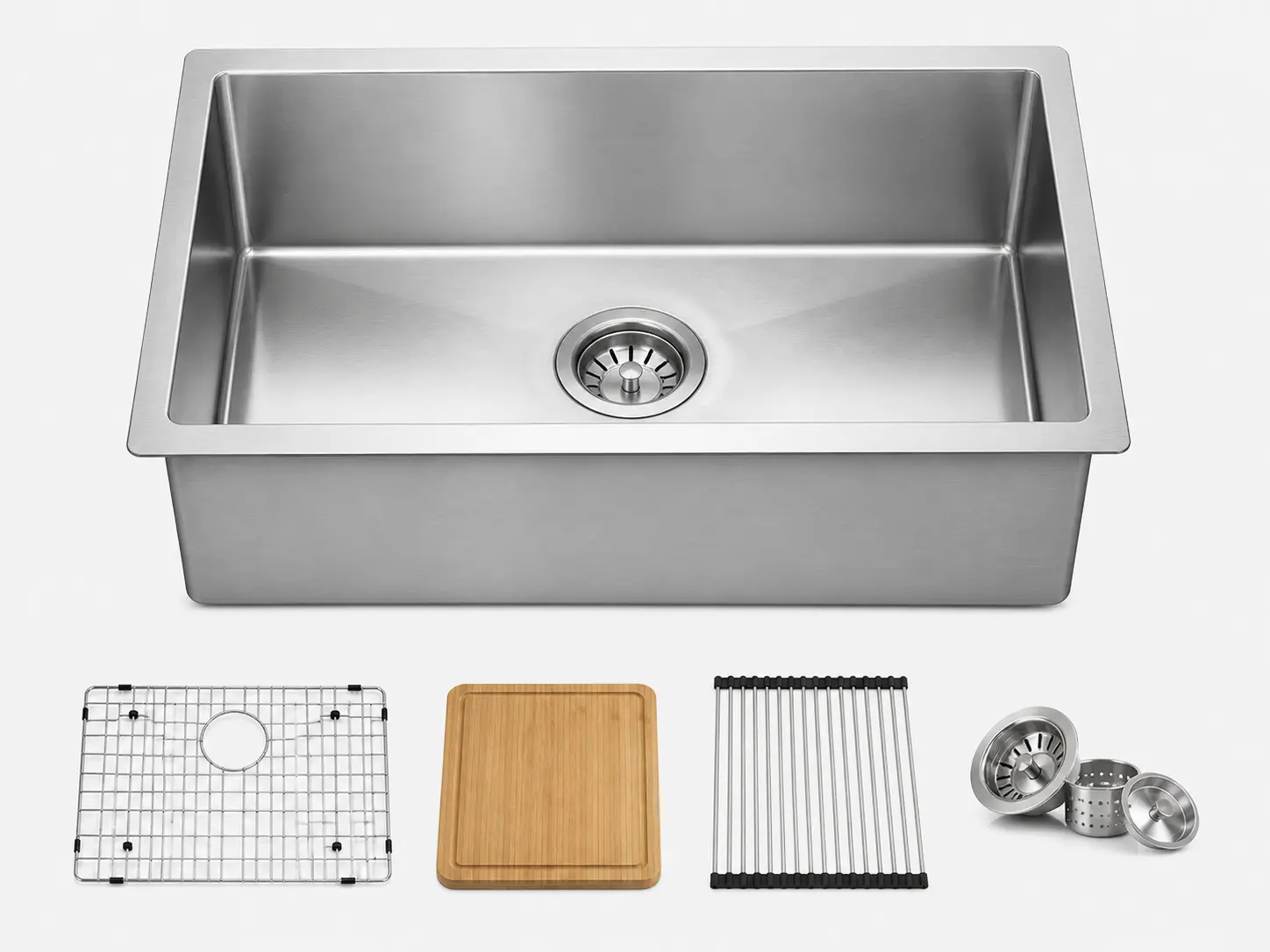
Strainers, bottom grids, cutting boards, baskets, colanders, roll-up drying racks, and dish racks can be matched by sink model and packaging plan.
OEM/ODM support
Stable dimensions, repeatable specifications, protected packaging, and accessory availability help reduce complaints in bulk and project orders.
What Is a Stainless Steel Kitchen Sink?
A stainless steel kitchen sink is built for washing, food preparation, drainage, and long-term kitchen use. For B2B buyers, the important question is not only the sink size. It is whether the material, thickness, installation type, drain position, surface finish, accessories, and packaging match the target market.
Stainless steel sinks can be made as handmade sinks, pressed sinks, undermount sinks, top mount sinks, apron front sinks, workstation sinks, deep sinks, drainboard sinks, outdoor sinks, RV sinks, and project-specific models.
- Durable stainless steel body for kitchen use
- Flexible installation options
- Different bowl layouts for different markets
- Custom finish and accessory options
- Suitable for wholesale, OEM, and project supply
Quick Category Overview
A snapshot of the Matrix stainless steel kitchen wash basin manufacturing scope.
| Product Types | Handmade, Pressed / Drawn, Undermount, Top Mount, Apron Front, Workstation |
| Applications | Residential, Outdoor, RV / Camper, Bar / Prep, Laundry, ADA, Project Supply |
| Bowl Layout | Single Bowl, Double Bowl, Deep Bowl, Drainboard, Workstation |
| Finish Options | Satin, Brushed, Nano Black, Nano Gold, Nano Rose Gold, Nano Grey, PVD, Honeycomb |
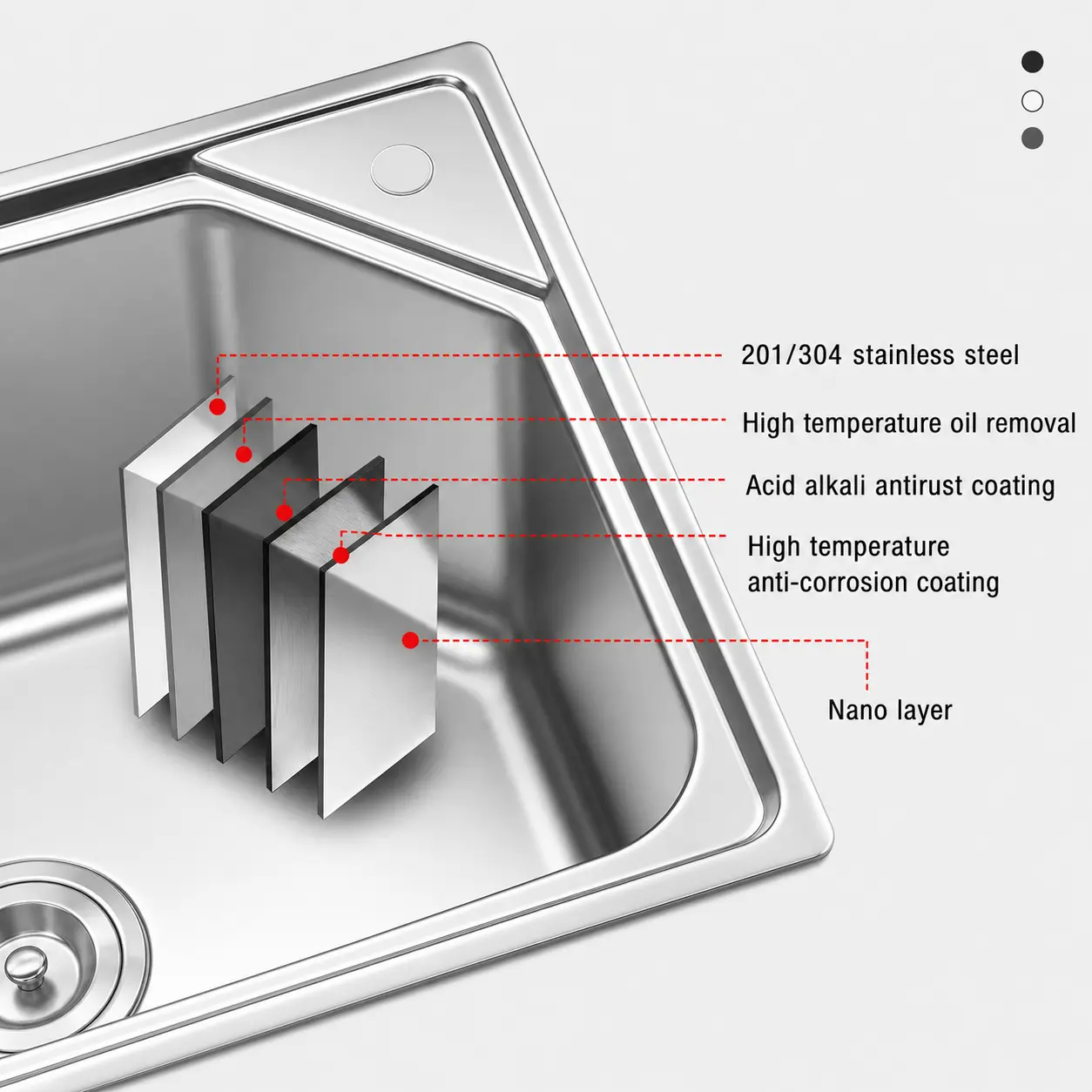
| Material & Thickness | SUS304 / SUS316 optional | 16 Gauge / 18 Gauge / Custom Thickness |
| Accessory Matching | Strainer, Bottom Grid, Cutting Board, Roll-Up Rack, Basket, Colander |
| OEM Support | Logo, Label, Carton, Accessory Set, Project Packing |
Featured Stainless Steel Sink Series
Matrix stainless steel kitchen sinks can be organized by manufacturing method, installation type, function, application, and finish. Each sink type serves a different buying need, and the right choice depends on how the product will be installed, sold, packed, and reordered.
Handmade Kitchen Sinks
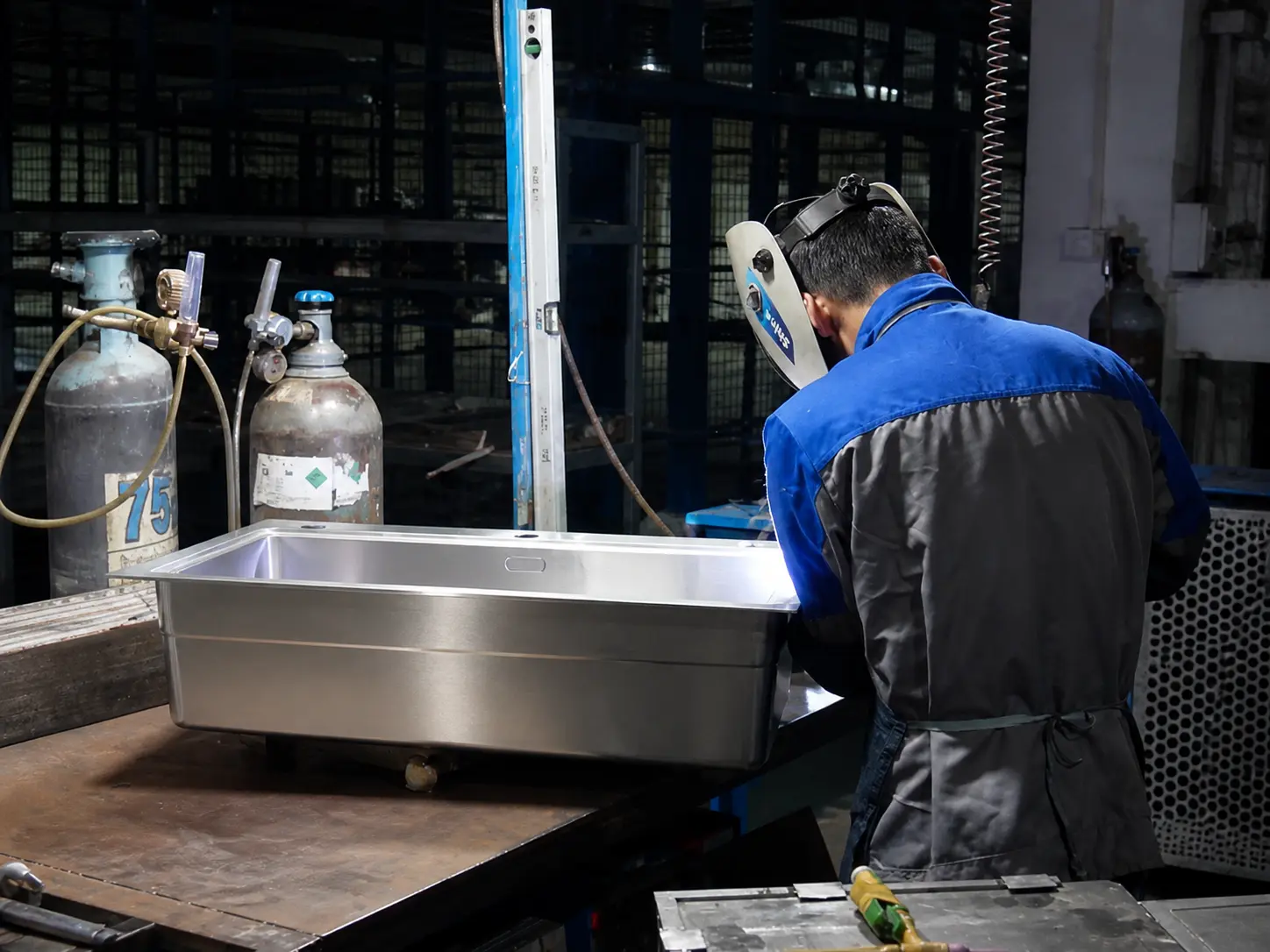
Handmade stainless steel sinks are built from stainless steel sheets that are cut, bent, welded, polished, and assembled. They are better suited for custom sizes, deeper bowls, workstation designs, apron front structures, and private-label sink programs.
Best for:
- Premium kitchen brands
- Workstation sink programs
- Custom size development
- Apron front / farmhouse designs
- 16 gauge stainless steel sink lines
Buyer should check:
- Rim flatness & welded corner finish
- Drain position accuracy
- Bowl depth and radius
- Accessory fit
- Packaging for visible surfaces
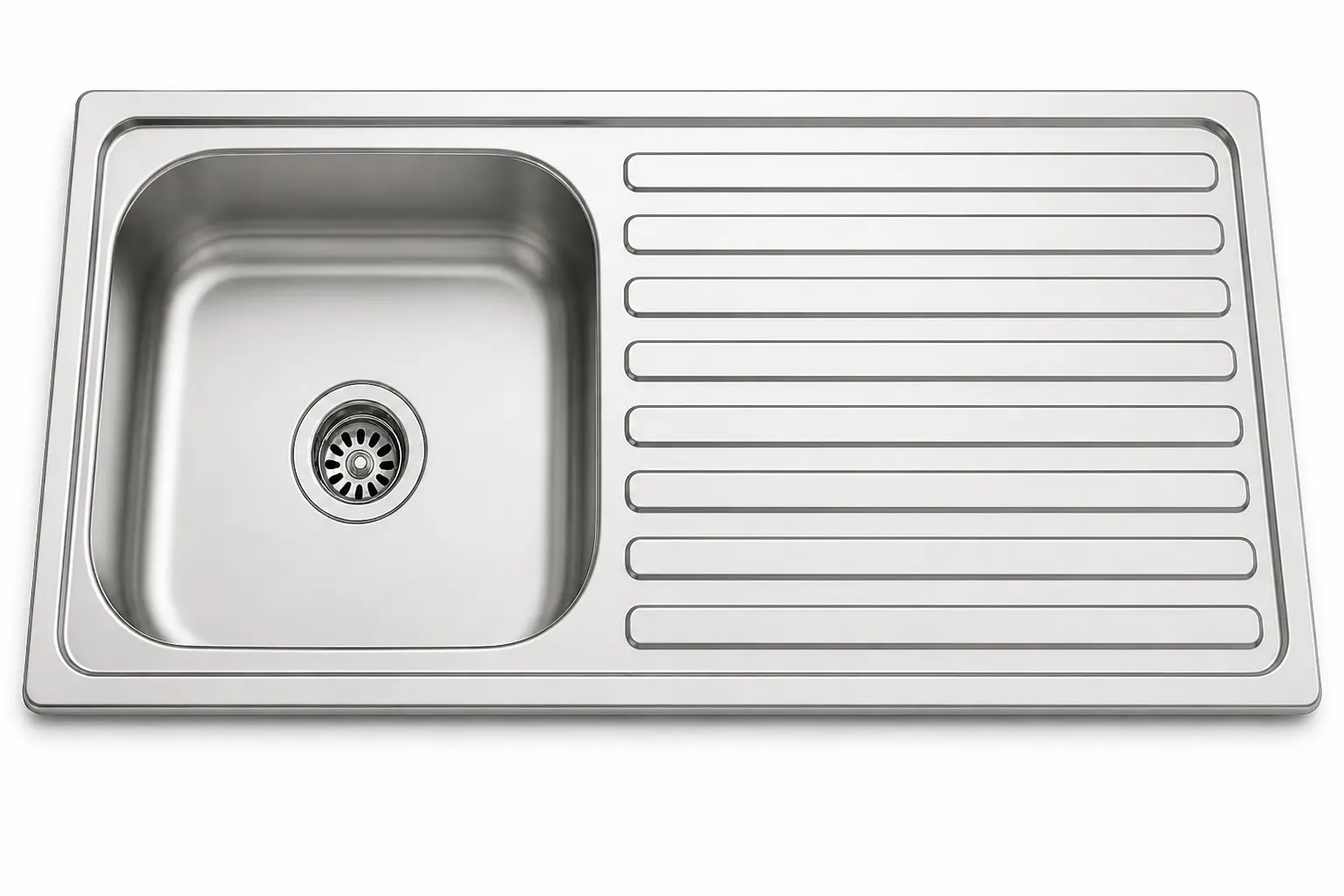
Pressed / Drawn Sinks
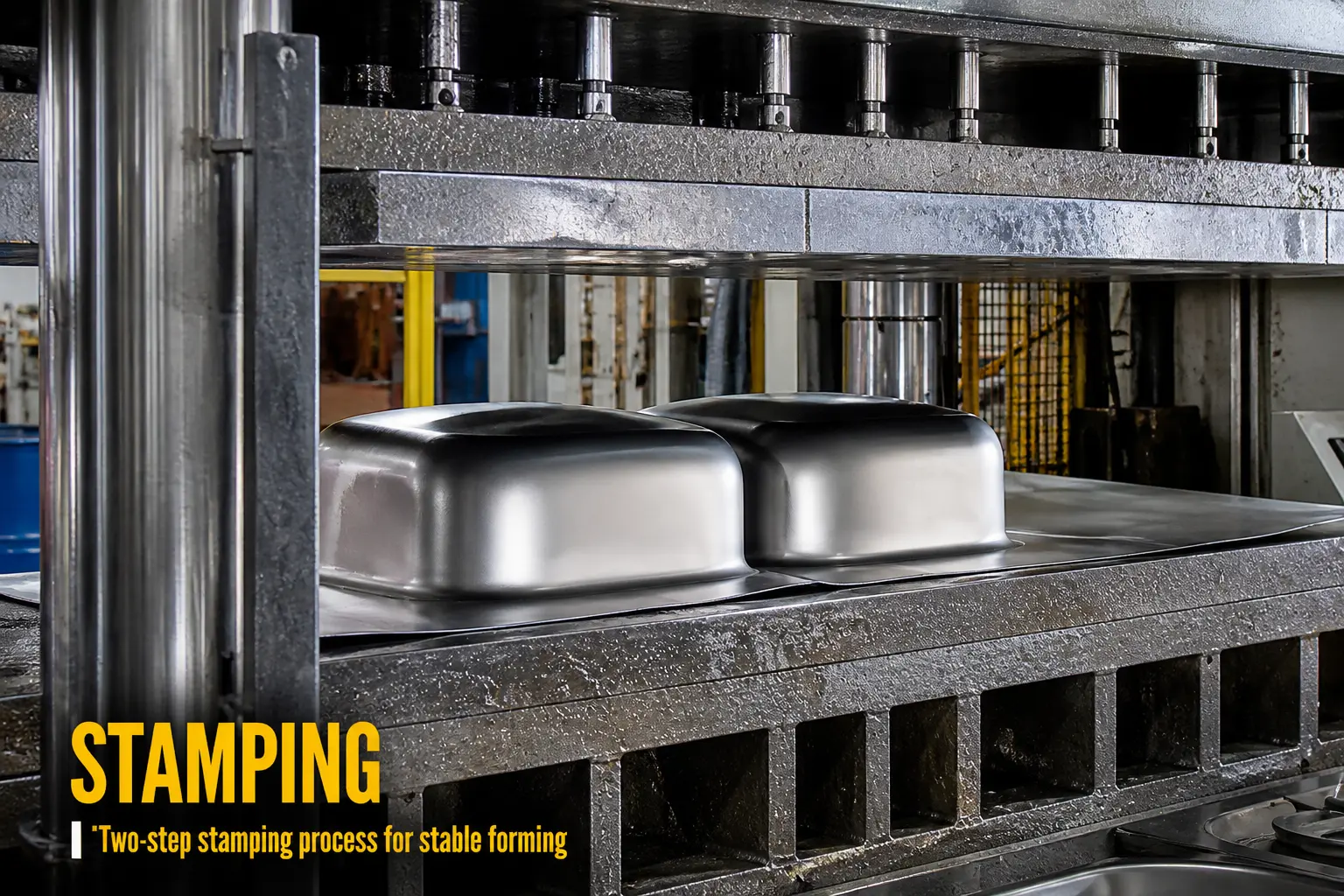
Pressed or drawn stainless steel sinks are formed by stamping molds. They are useful for standard sizes, stable repeat production, and cost-sensitive retail or project programs.
Best for:
- Standard retail models
- Volume supply
- Cost-sensitive programs
- Repeatable specifications
- Top mount or standard undermount
Buyer should check:
- Mold availability
- Thickness range
- Bowl depth limitation
- Surface finish consistency
- Packaging for volume shipment
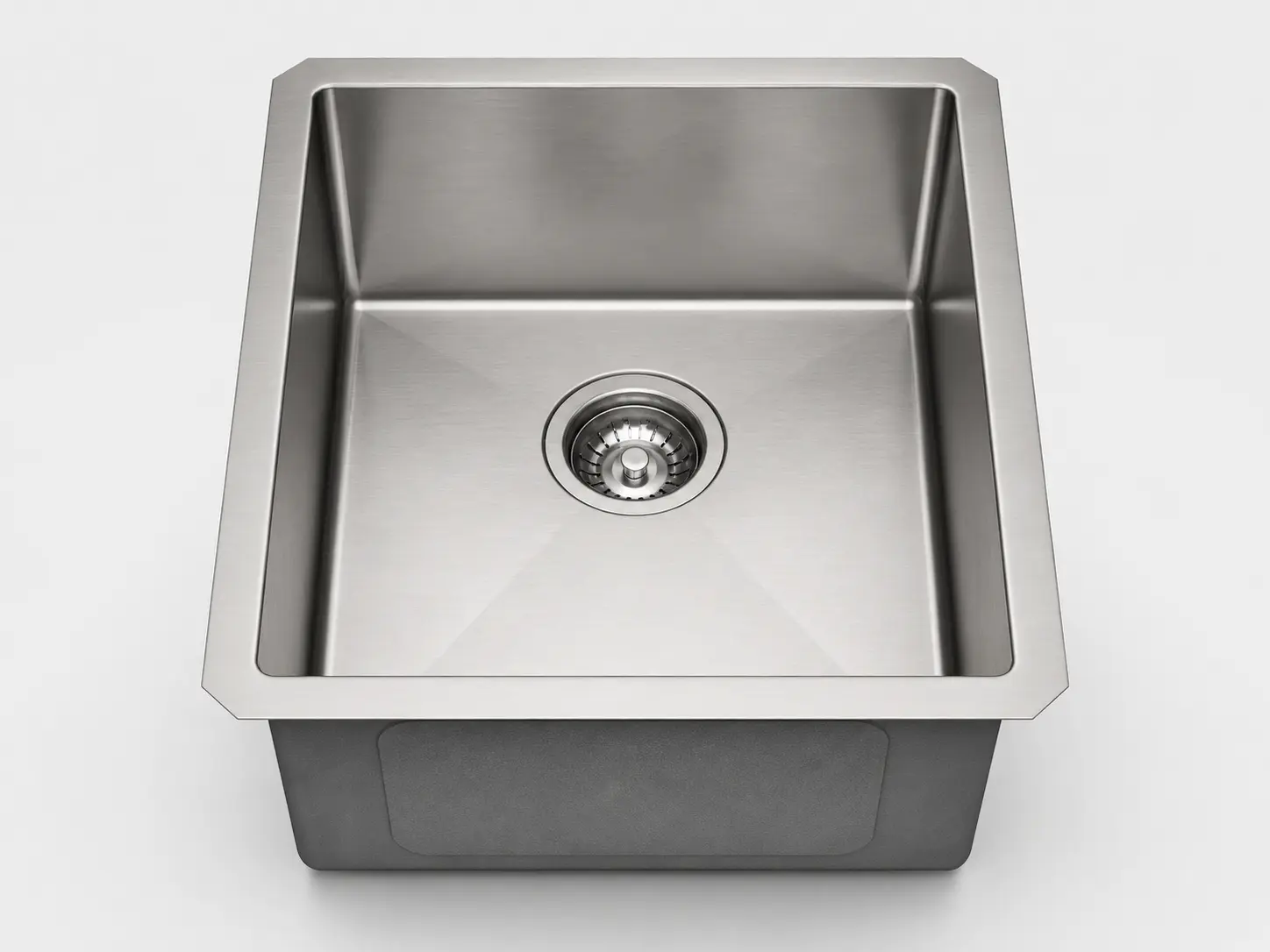
Undermount Kitchen Sinks
Undermount stainless steel sinks are installed below the countertop for a clean kitchen line. They are common in quartz, granite, marble, and premium kitchen projects.
Best for:
- Stone countertop kitchens
- Apartment & multifamily projects
- Premium residential brands
- Clean countertop design
Buyer should check:
- Minimum cabinet size
- Cut-out size
- Rim flatness
- Mounting support & edge treatment
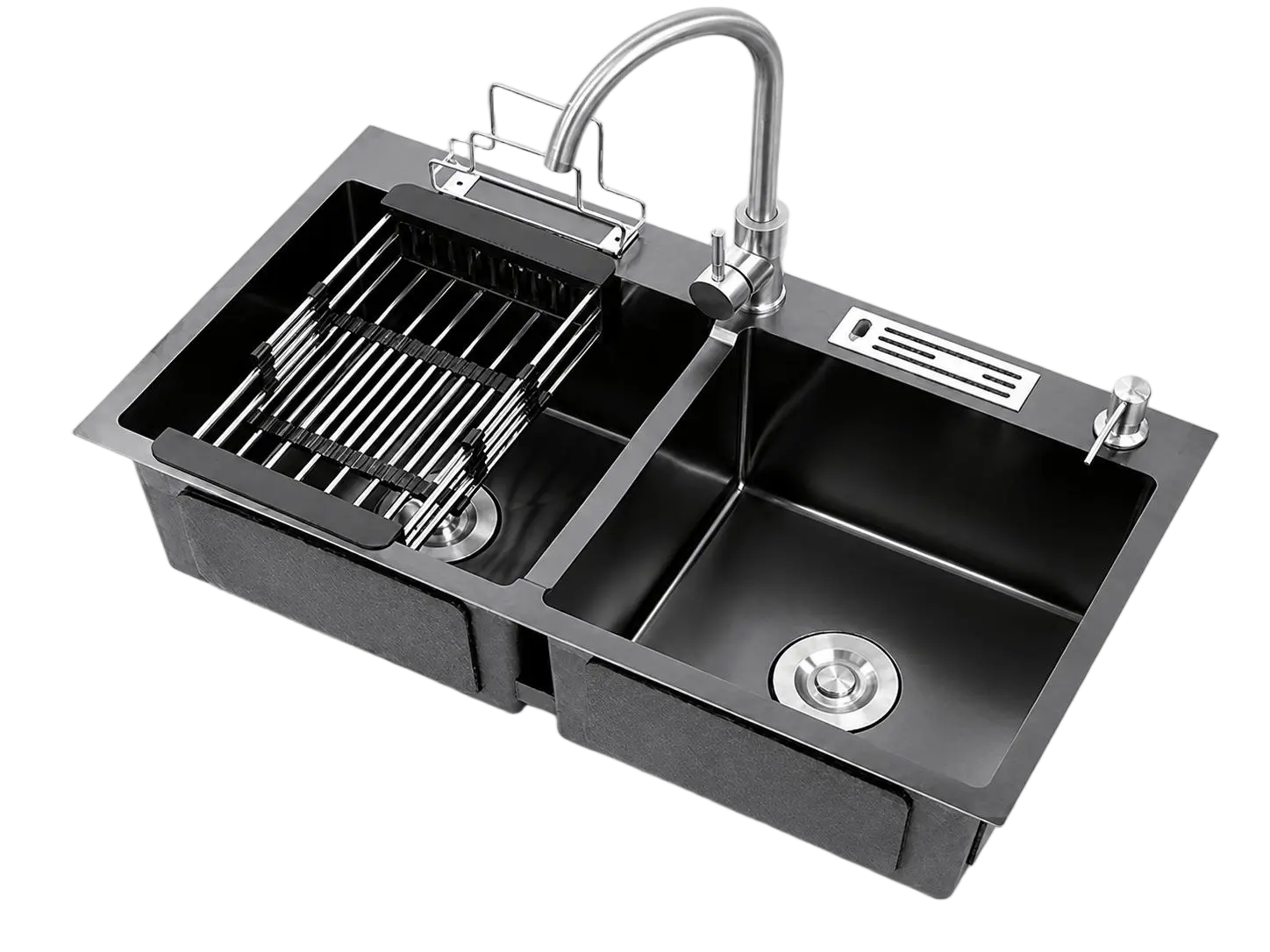
Top Mount / Drop-In Kitchen Sinks
Top mount or drop-in stainless steel sinks are installed from above the countertop. They are practical for renovation, replacement, retail channels, and markets where easier installation matters.
Best for:
- Retail and replacement channels
- Renovation projects
- Laminate countertops
- Fast installation programs
Buyer should check:
- Outer rim size & cut-out template
- Faucet hole layout
- Clip position
- Visible rim protection
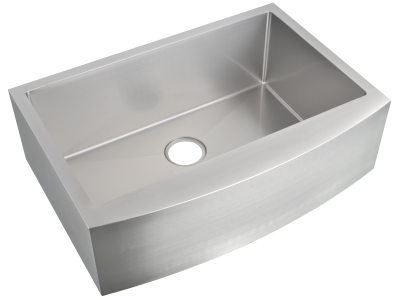
Apron Front / Farmhouse Sinks
Apron front stainless steel sinks have an exposed front panel. They are chosen for farmhouse kitchens, showroom lines, and premium residential projects where the sink becomes part of the kitchen design.
Best for:
- Farmhouse kitchen programs
- Showroom displays
- Premium residential projects
- Handmade sink lines
Buyer should check:
- Apron height & panel flatness
- Cabinet modification requirements
- Bottom support
- Surface protection during shipment
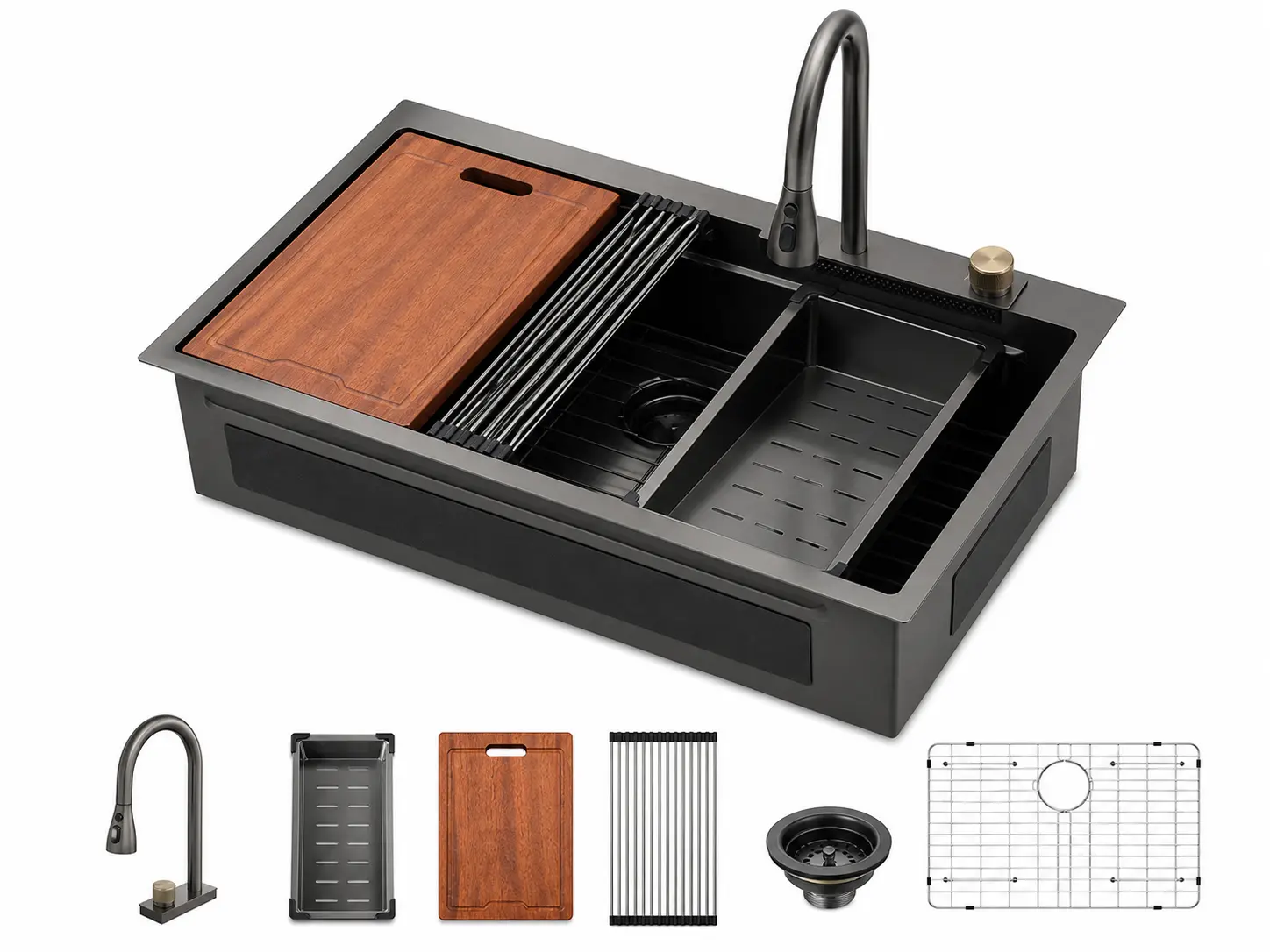
Workstation Sinks
Workstation stainless steel sinks include ledges for cutting boards, colanders, roll-up racks, baskets, and bottom grids. They are not only sinks, but sink systems that help buyers build higher-value retail sets.
Best for:
- Private-label sink programs
- Premium retail sets
- Small kitchens needing prep space
- Brands selling sink + accessories
Buyer should check:
- Ledge size & cutting board fit
- Bottom grid fit & drain position
- Replacement accessory availability
Outdoor Kitchen Sinks
Used in BBQ areas, patios, and garden kitchens. Buyers should pay attention to material, drainage, surface maintenance, and packaging for exposed-use markets.
RV / Camper Sinks
Designed for compact spaces where bowl size, weight, depth, and installation flexibility need to be balanced.
Bar / Prep Sinks
Smaller sink options for secondary kitchen spaces, bars, pantry areas, hotel rooms, and food preparation zones.
Deep Kitchen Sinks
Provide more usable washing space for cookware. Often used in handmade, workstation, and 16 gauge sink programs.
Drainboard Sinks
Combine washing and drying space. Useful for compact kitchens, laundry areas, and markets where drying space is daily use.
16 Gauge Stainless Steel Sinks
Heavier specification used for premium positioning, workstation designs, and stronger product lines where durability matters.

Black / PVD Colored Stainless Steel Sinks
Black, gold, rose gold, grey, and other colored stainless steel sinks help buyers build visually differentiated kitchen sink lines. For these finishes, sample approval, color expectations, cleaning guidance, and packaging protection are especially important.
Choose by Installation Type
Installation type affects cabinet preparation, countertop cut-out, mounting support, packaging protection, and after-sales risk. Before choosing a stainless steel sink, buyers should confirm how the sink will be installed.
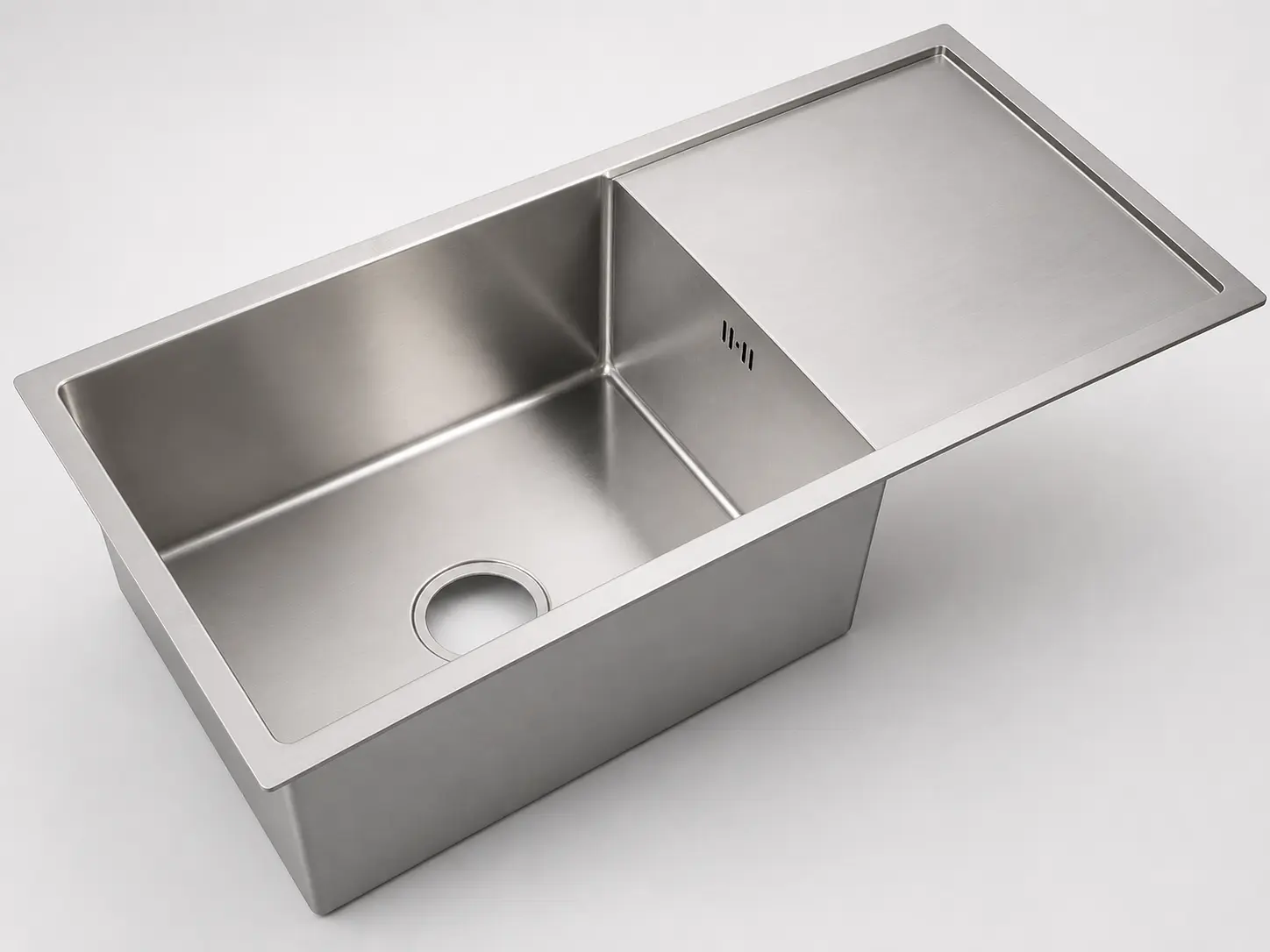
Undermount Installation
Best for stone countertops and clean countertop lines. Buyers should confirm rim flatness, cut-out size, support method, and minimum cabinet size before sampling.
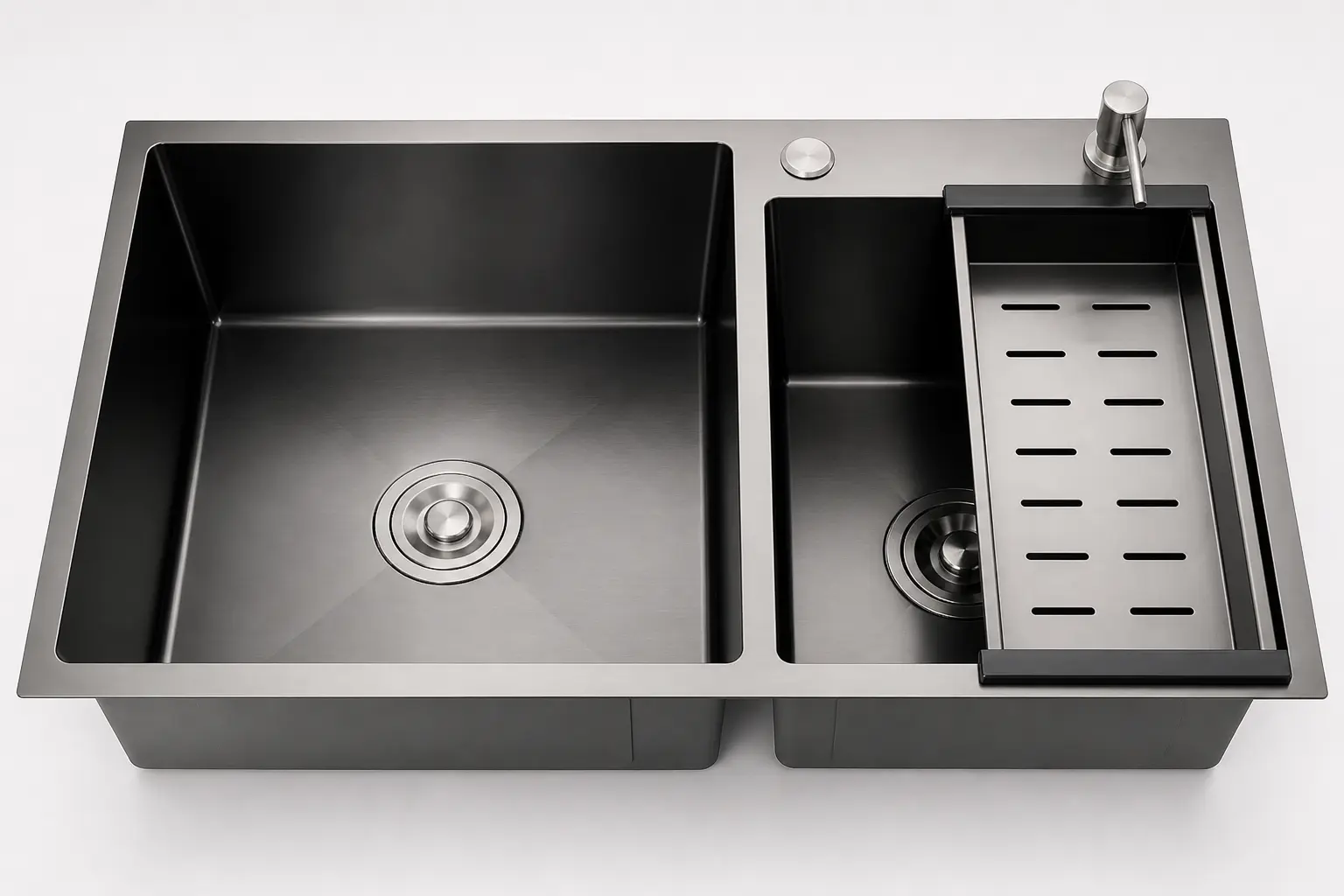
Top Mount / Drop-In Installation
Best for renovation, replacement, and retail programs. Buyers should confirm outer rim size, cut-out template, faucet hole layout, clip position, and visible rim protection.
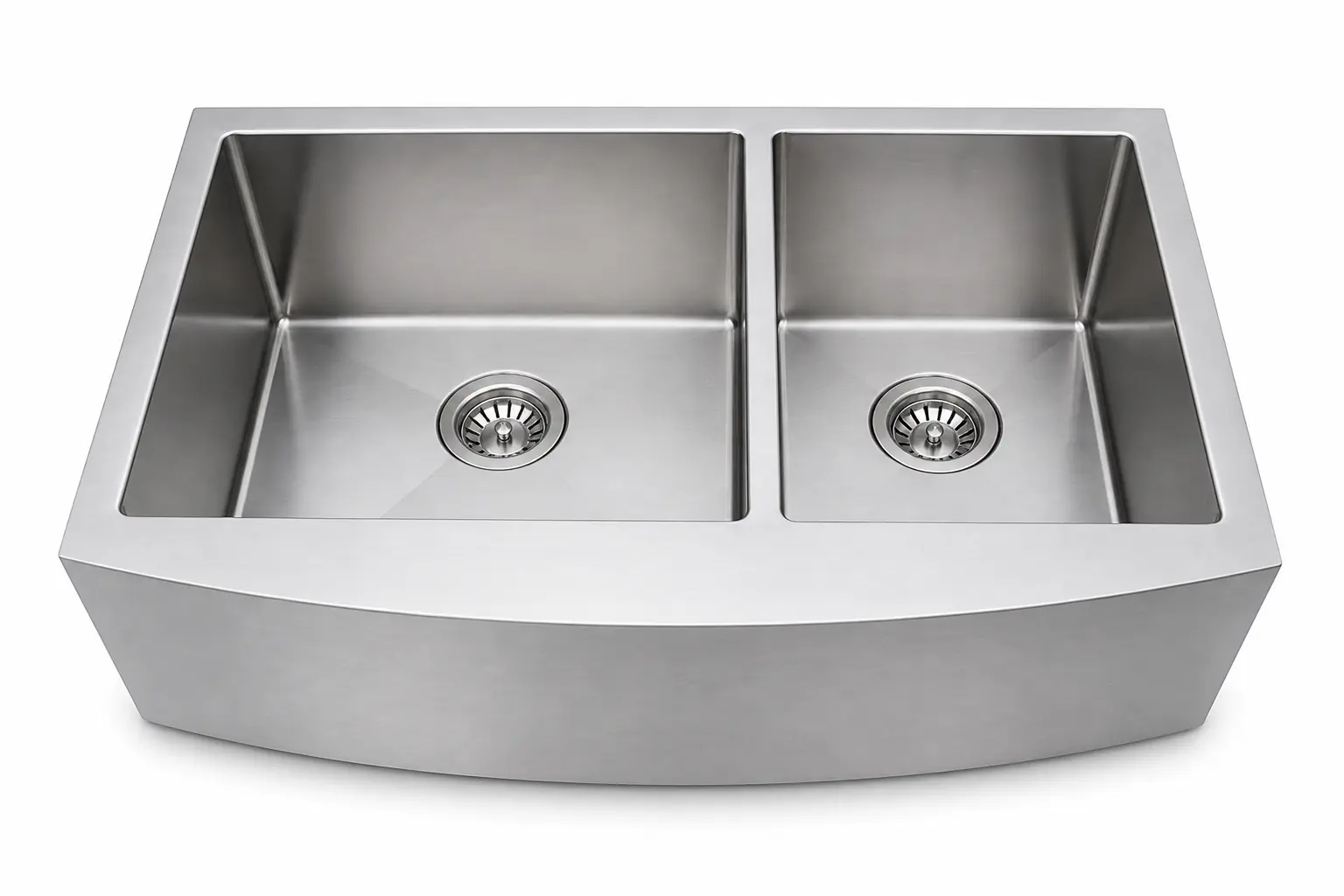
Apron Front / Farmhouse Installation
Best for farmhouse and premium residential kitchens. Buyers should confirm apron height, cabinet modification, front panel flatness, bottom support, and packaging protection.
Choose by Function and Design
Function and design affect how the sink is used every day. A workstation sink, deep sink, drainboard sink, and 16 gauge sink may all be stainless steel, but they serve different buying needs.
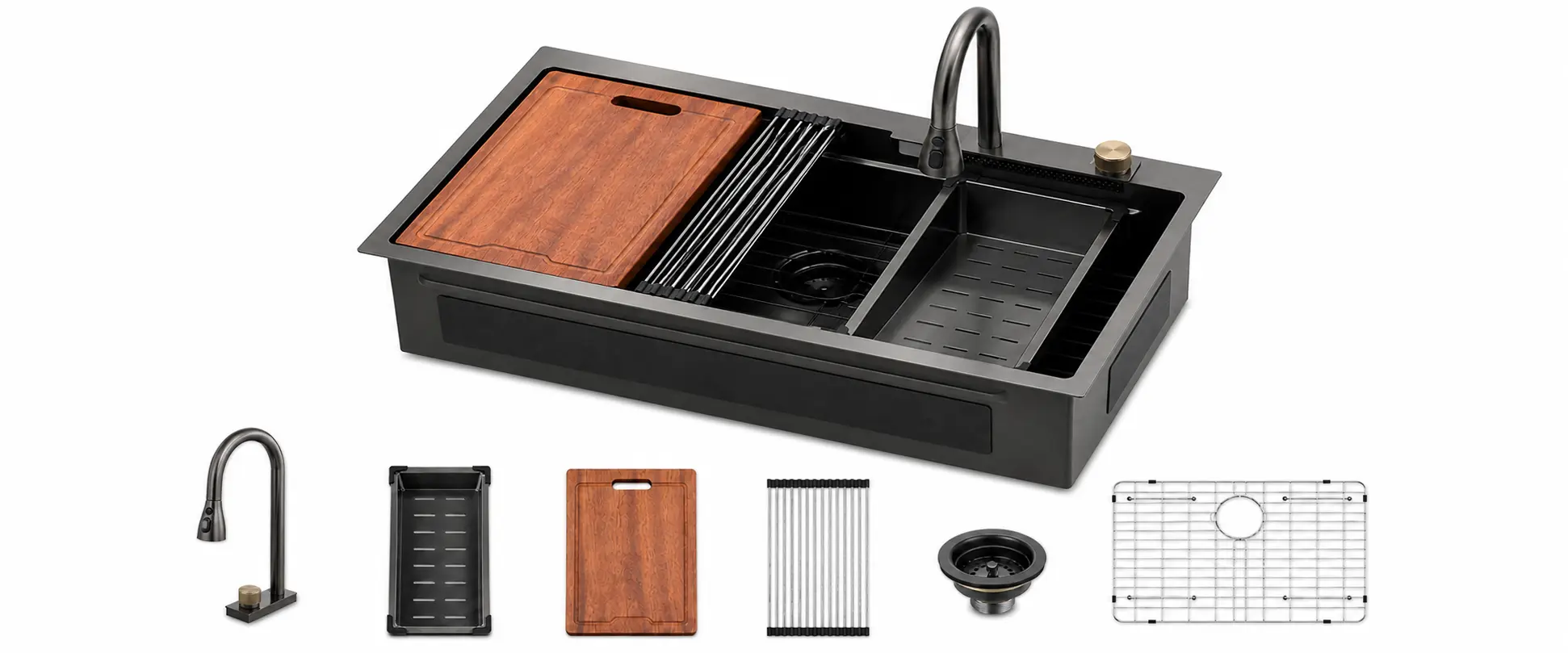
Workstation Sink System
For buyers who want to sell a sink set rather than only a sink. The key details are ledge size, accessory fit, drain position, and replacement accessory availability.
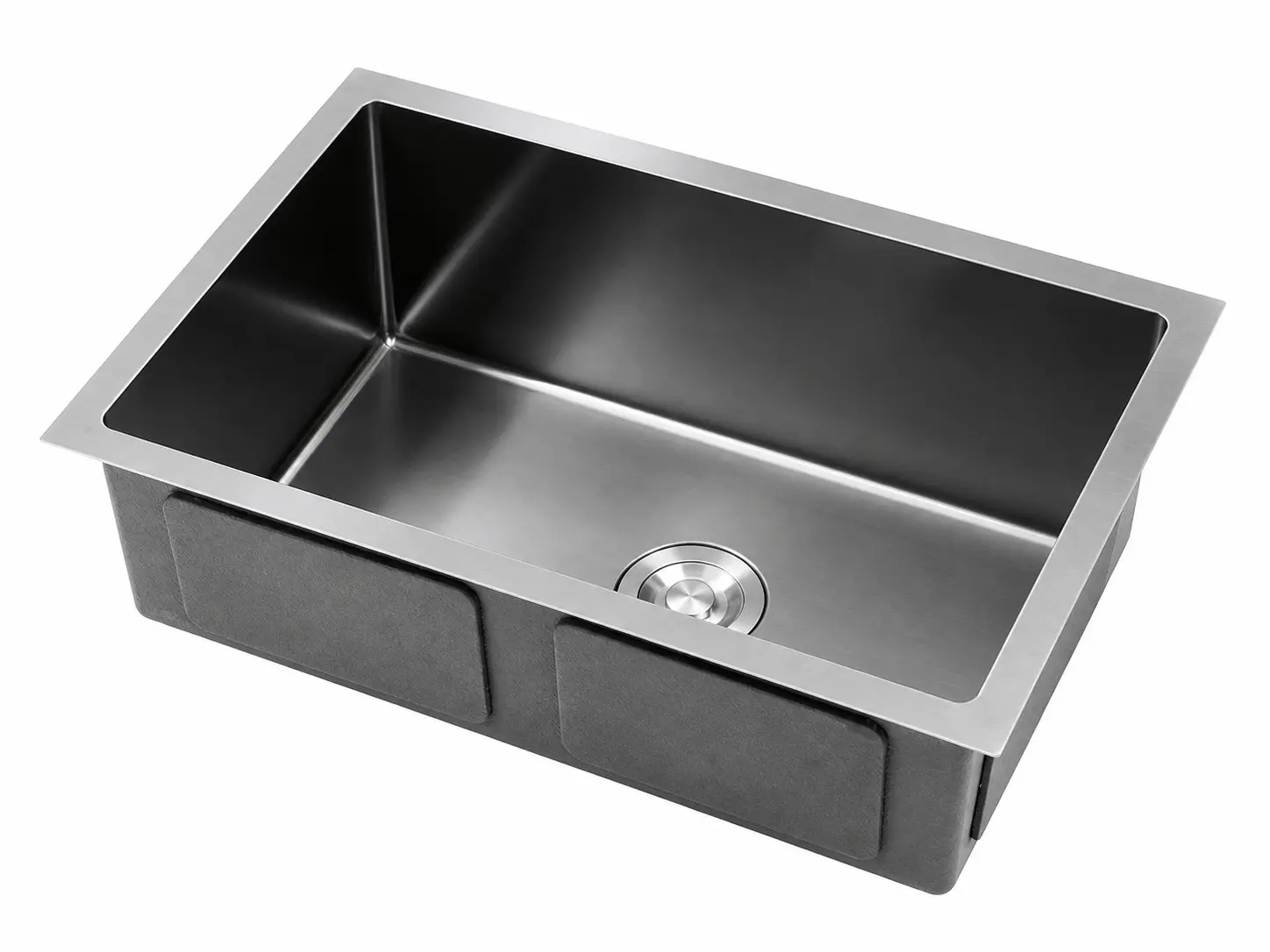
Deep Bowl Design
For buyers targeting larger cookware use and premium residential kitchens. The key details are bowl depth, cabinet clearance, bottom slope, and packaging height.
Drainboard Design
For compact kitchens, laundry rooms, and markets where drying space matters. The key details are drainboard direction, slope, countertop size, and installation type.
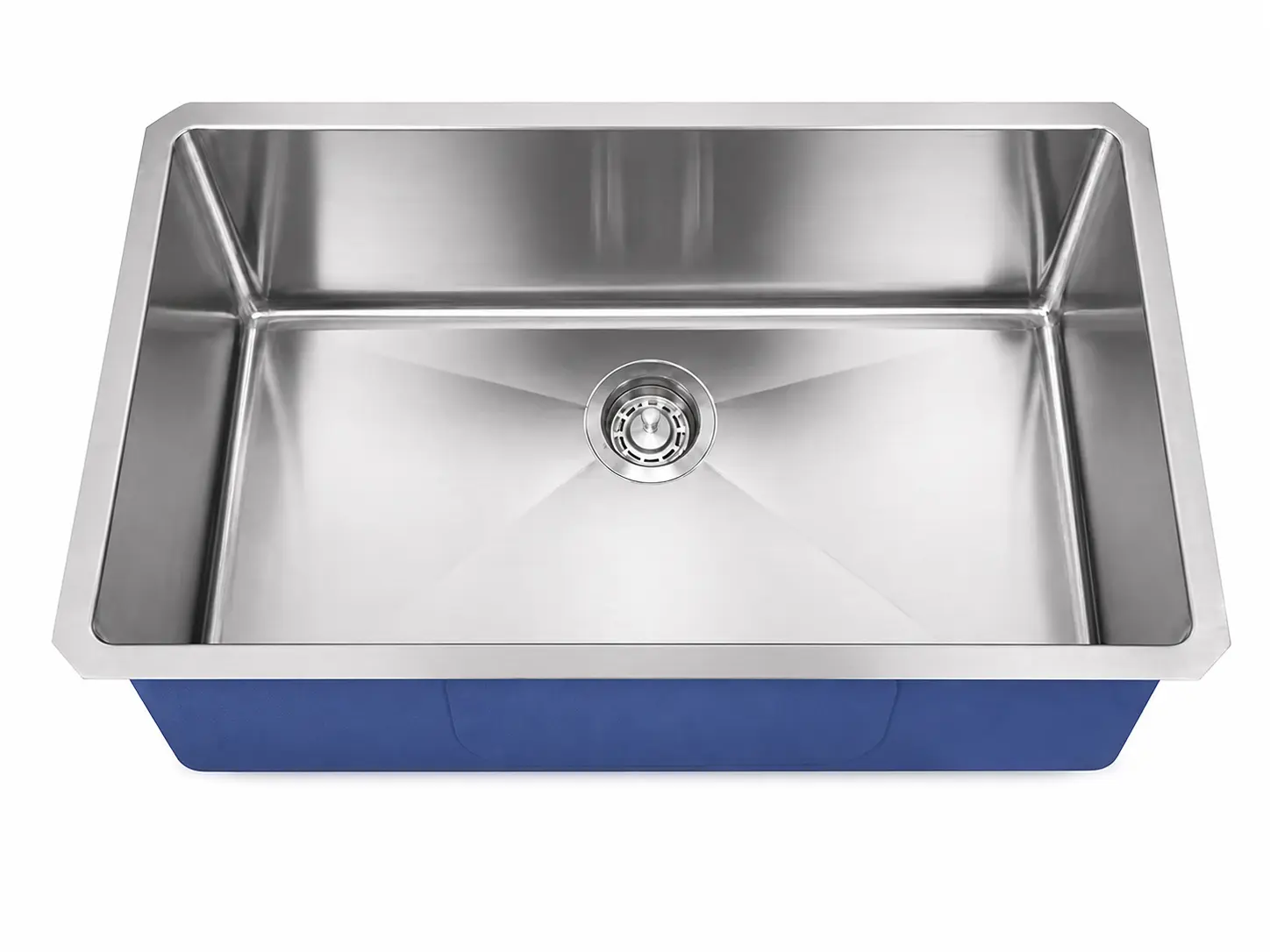
16 Gauge Spec
For premium positioning. Key details: actual thickness, weight, packaging strength.
Single / Double Bowl Layout
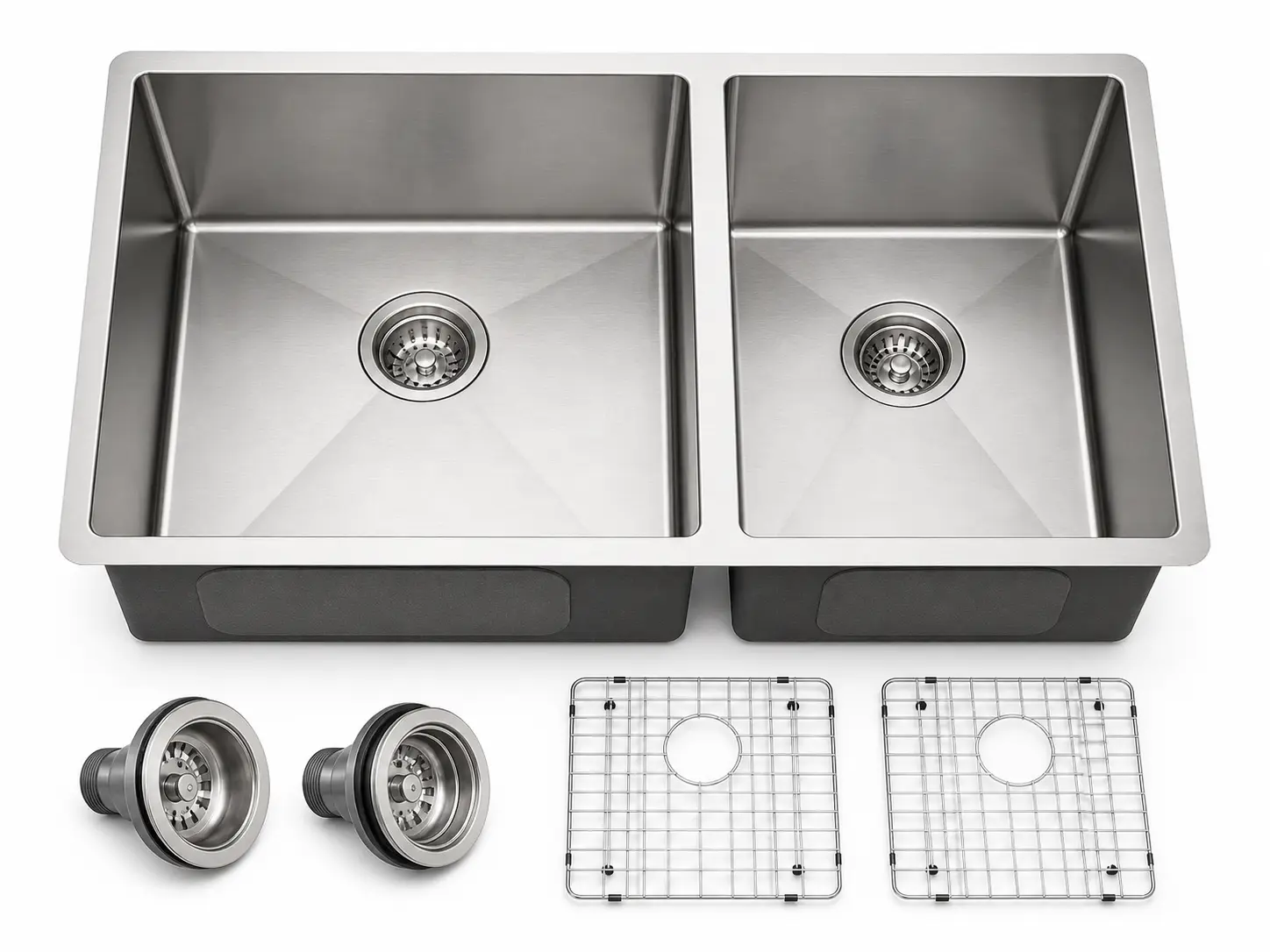
Single bowl gives more open washing space. Double bowl separates washing and rinsing. Choose based on market habit and project spec.
Finish & Surface Matrix
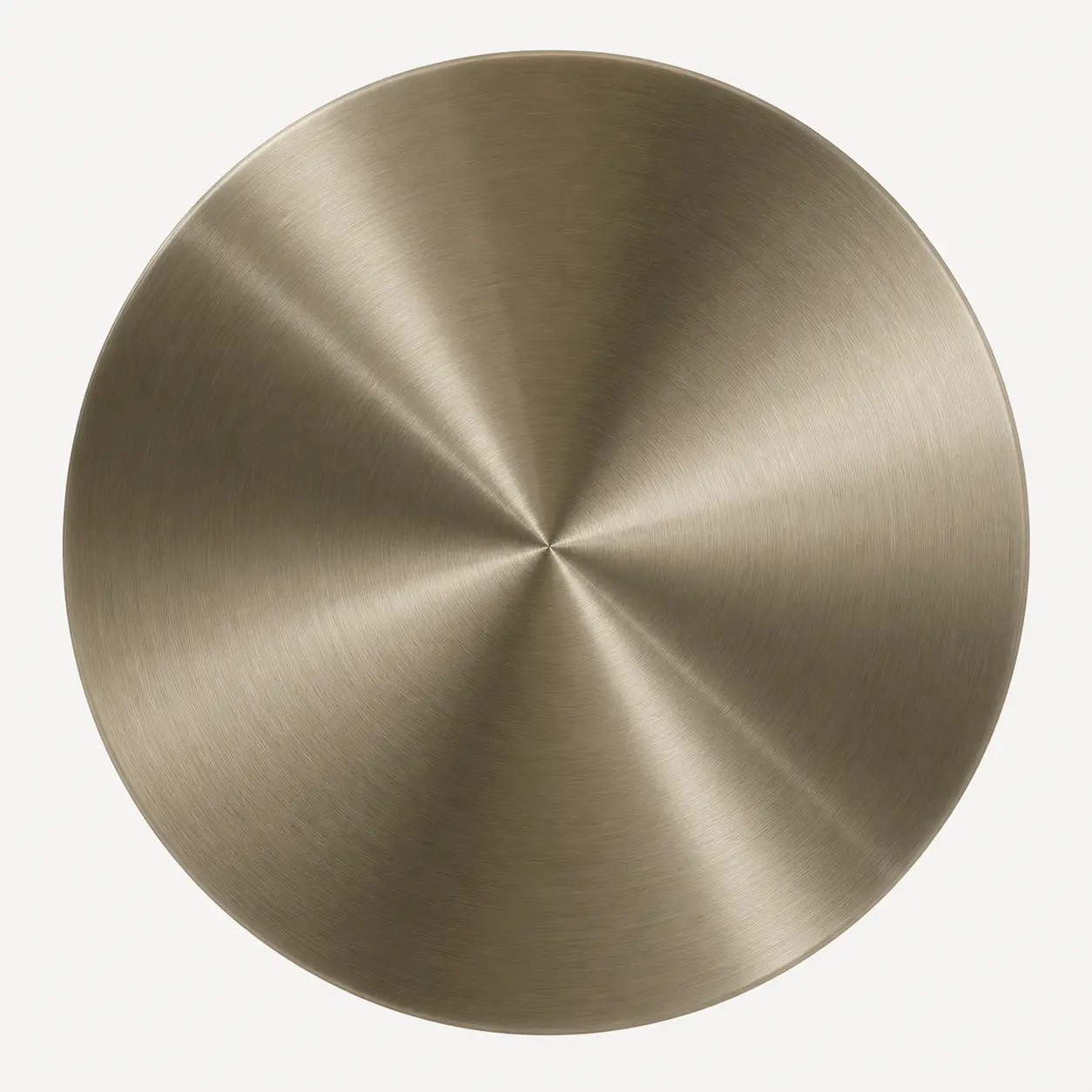
Surface engineering defines product positioning, durability, and visual language. Explore our precision-crafted finishes tailored for distinct manufacturing processes and market demands.
Handmade Sink
Premium craftsmanship surfaces
 Satin
Satin
 Nano Black
 Nano Grey
 Nano
NanoRose Gold
 Nano Gold
(Bowl / Cover)
Pressed / Drawn Sink
High-efficiency production finishes
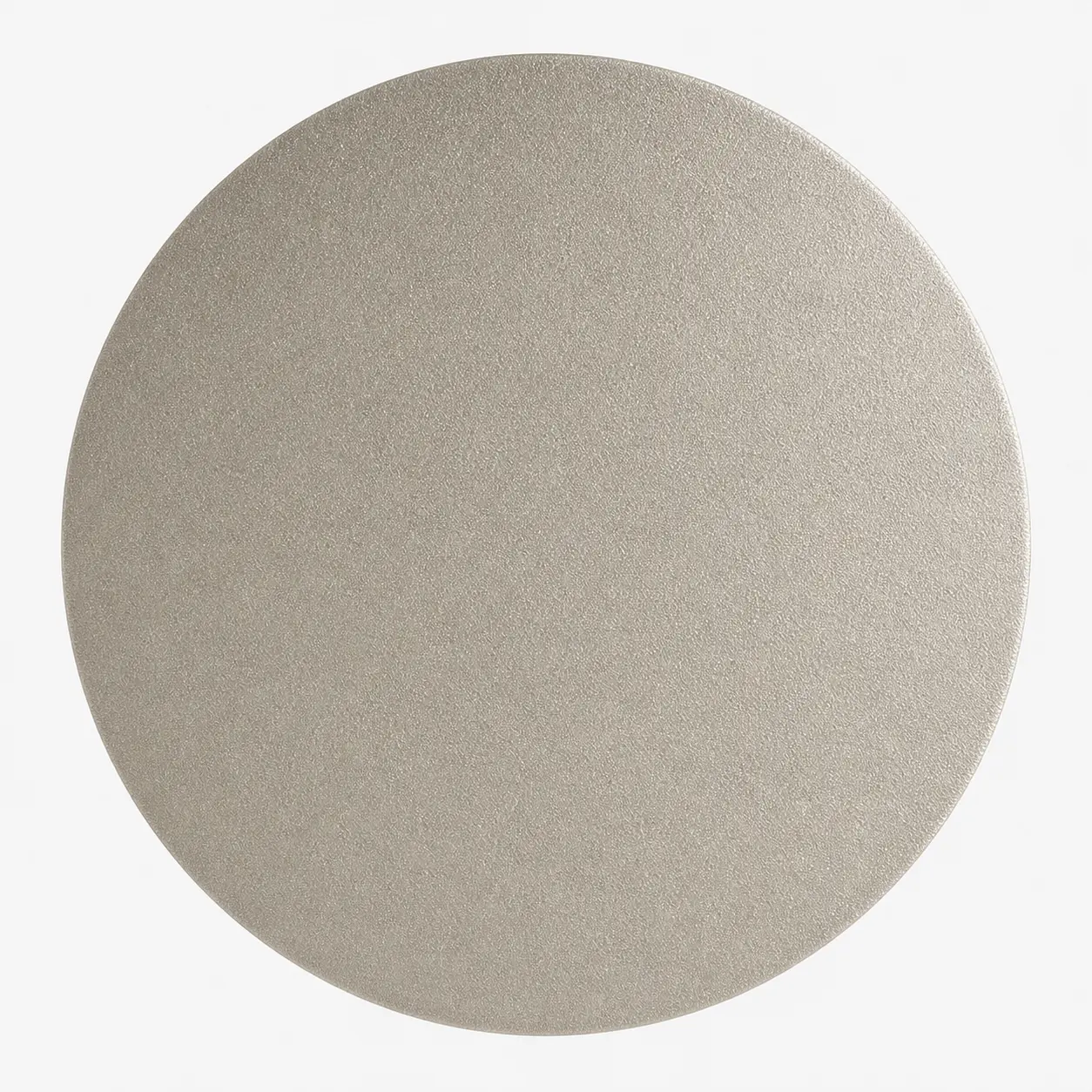 Satin
Satin
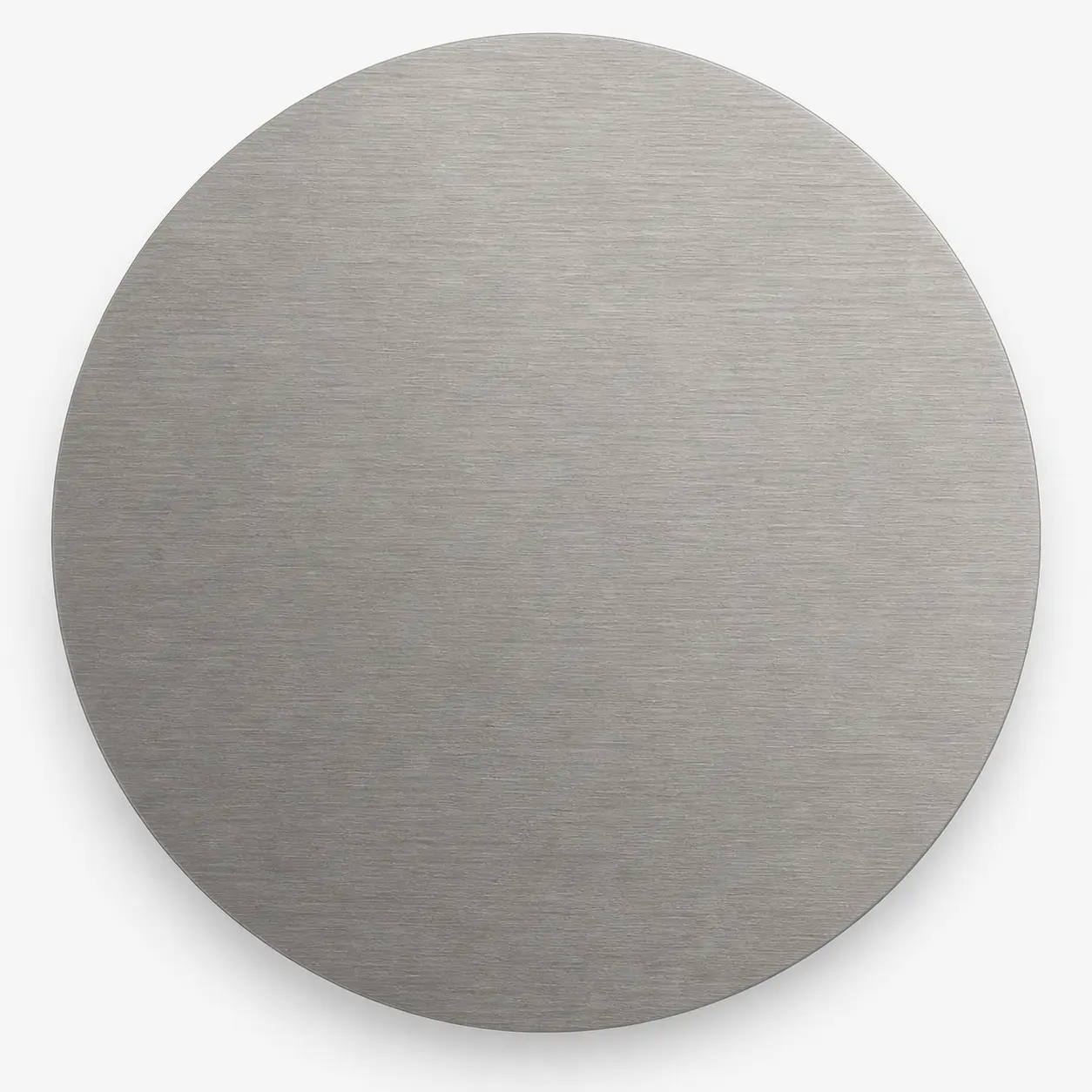 Brushed &
Matte
Accessory-Matched Stainless Steel Sink Sets
For workstation sinks, retail sets, and private-label programs, accessories are not small add-ons. They affect how the sink is used, packed, sold, and replaced later.
Sink Strainers / Drainers
View OptionsSink Cutting Boards
View OptionsRoll-Up Drying Racks
View OptionsSink Bottom Grids
View OptionsAccessories can be matched by sink model, bowl width, ledge size, drain position, finish, and packaging plan.
How Matrix Handmade Sinks & Pressed / Drawn Sinks Are Made
Watch two real production videos to compare how Matrix stainless steel kitchen sinks are made — from handmade welding and polishing to pressed / drawn forming, inspection, and packing.
For B2B buyers, the manufacturing method affects cost, design flexibility, bowl structure, finish expectation, MOQ, and the final product line. These videos help buyers compare both options before sampling or bulk orders.
Handmade Stainless Steel Sink Production
See how Matrix handmade stainless steel sinks are produced through sheet preparation, laser cutting, bending, hand welding, grinding, polishing, drain hole checking, sound pad, coating, accessory fitting, and final packing.
BUYER CAN CHECK:- Hand welding and corner details
- Bowl structure and radius control
- Surface grinding and brushing direction
- Drain hole checking and accessory fitting
- Sound pad, coating, and export packing
Pressed / Drawn Stainless Steel Sink Production
See how Matrix pressed / drawn stainless steel sinks are formed with molds for consistent shapes, stable bowl structure, cost-efficient production, and high-volume sink programs.
BUYER CAN CHECK:- Mold forming and bowl consistency
- Rim shape and installation edge
- Surface treatment and visible finish
- Drain position and size control
- Packing method for volume orders
Which Manufacturing Type Fits Your Market?
Handmade sinks are often used for deeper bowls, custom sizes, workstation designs, and premium product lines. Pressed / drawn sinks are commonly used for retail, apartment, project, and high-volume programs where consistency and cost control matter.
Stainless Steel Sink Selection Matrix
If the buyer is not sure which stainless steel sink type fits the market, start from the buying need. The table below helps match common B2B sourcing needs with the right product direction.
| Buyer Need | Recommended Sink Type | Why |
|---|---|---|
| Standard retail models | Pressed / Drawn Sinks | Stable mold, repeatable size, better for volume supply and cost-sensitive channels. |
| Premium kitchen sink line | Handmade / 16 Gauge / Workstation | Better for deeper bowls, sharper design, heavier positioning, and accessory sets. |
| Stone countertop projects | Undermount Kitchen Sinks | Clean countertop line, common for quartz, granite, and premium kitchens. |
| Renovation and replacement channel | Top Mount / Drop-In Sinks | Easier installation and flexible for existing countertop openings. |
| Farmhouse kitchen program | Apron Front / Farmhouse Sinks | Exposed front panel becomes part of the kitchen design. |
| Outdoor / BBQ area | Outdoor Kitchen Sinks | Focus on drainage, stainless steel material, surface maintenance, and faucet matching. |
| Compact kitchen or RV market | RV / Camper Sinks or Bar / Prep Sinks | Smaller footprint, lighter weight, and usable bowl depth. |
| Color-driven showroom line | Black / PVD / Colored Sinks | Visual differentiation, but requires finish sample approval and packaging protection. |
Stainless Steel Kitchen Sink Specification Options
Material & Thickness
- Material: SUS304 / SUS316 optional
- Thickness: 16 gauge / 18 gauge / custom
- Mfg Type: Handmade / pressed / drawn
Structure & Layout
- Installation: Undermount / top mount / drop-in / apron / flush
- Layout: Single / double / workstation / drainboard
- Radius: R0 / R10 / R15 / R25 / custom
Finish & Surface
- Finish: Satin / brushed / nano black / gold / rose gold / grey / PVD
- Surface: Honeycomb bottom / standard
Drainage & Sound
- Position: Center / rear / offset
- Hole: Standard 3.5 inch / 90mm
- Sound: Sound pad / undercoating / anti-condensation
Accessories
Strainer, bottom grid, cutting board, roll-up rack, basket, colander
OEM Support
Logo, label, carton, accessory set, retail or project packaging
For repeated B2B orders, the key is not only whether the first sample looks good. The real question is whether the size, finish, accessory fit, and packaging can stay consistent in batch production.
OEM Development Workflow
For OEM and private-label sink orders, a good result usually depends on what is confirmed before production — not after the sample arrives.
Drawing / Size Review
Check sink size, bowl size, depth, radius, drain position, installation type, and cabinet requirements.
Structure Confirmation
Confirm handmade, pressed, single bowl, double bowl, workstation, apron front, drainboard, or other structure.
Accessory Matching
Match bottom grid, strainer, cutting board, roll-up rack, basket, or colander.
Finish & Packaging
Confirm finish, surface treatment, logo, label, carton, and packing method.
Sample Approval
Make sample and confirm dimensions, appearance, finish, drainage, and accessory fit.
Batch Production
Start mass production only after key details are confirmed to ensure consistency.
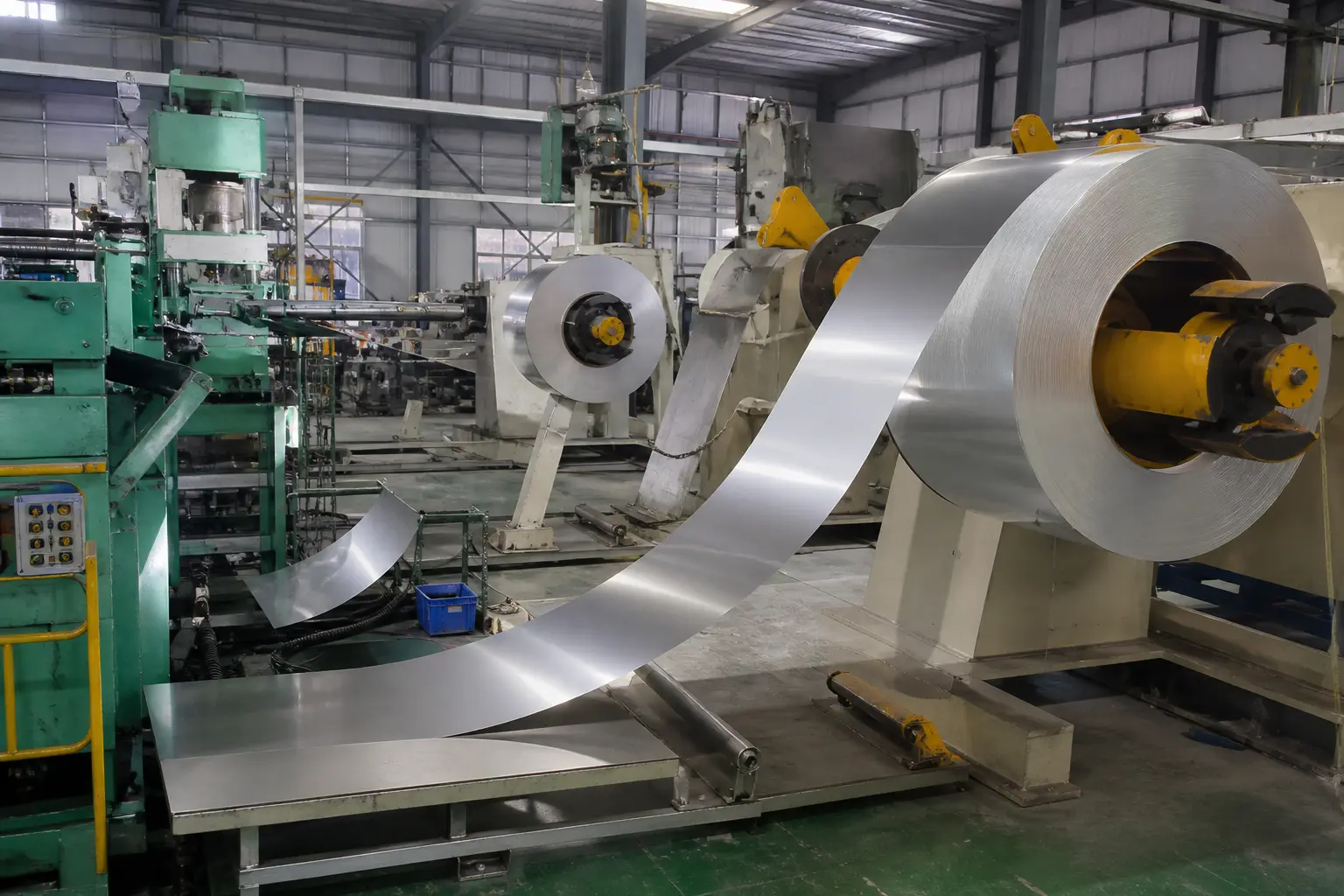
How Stainless Steel Kitchen Sinks Are Made
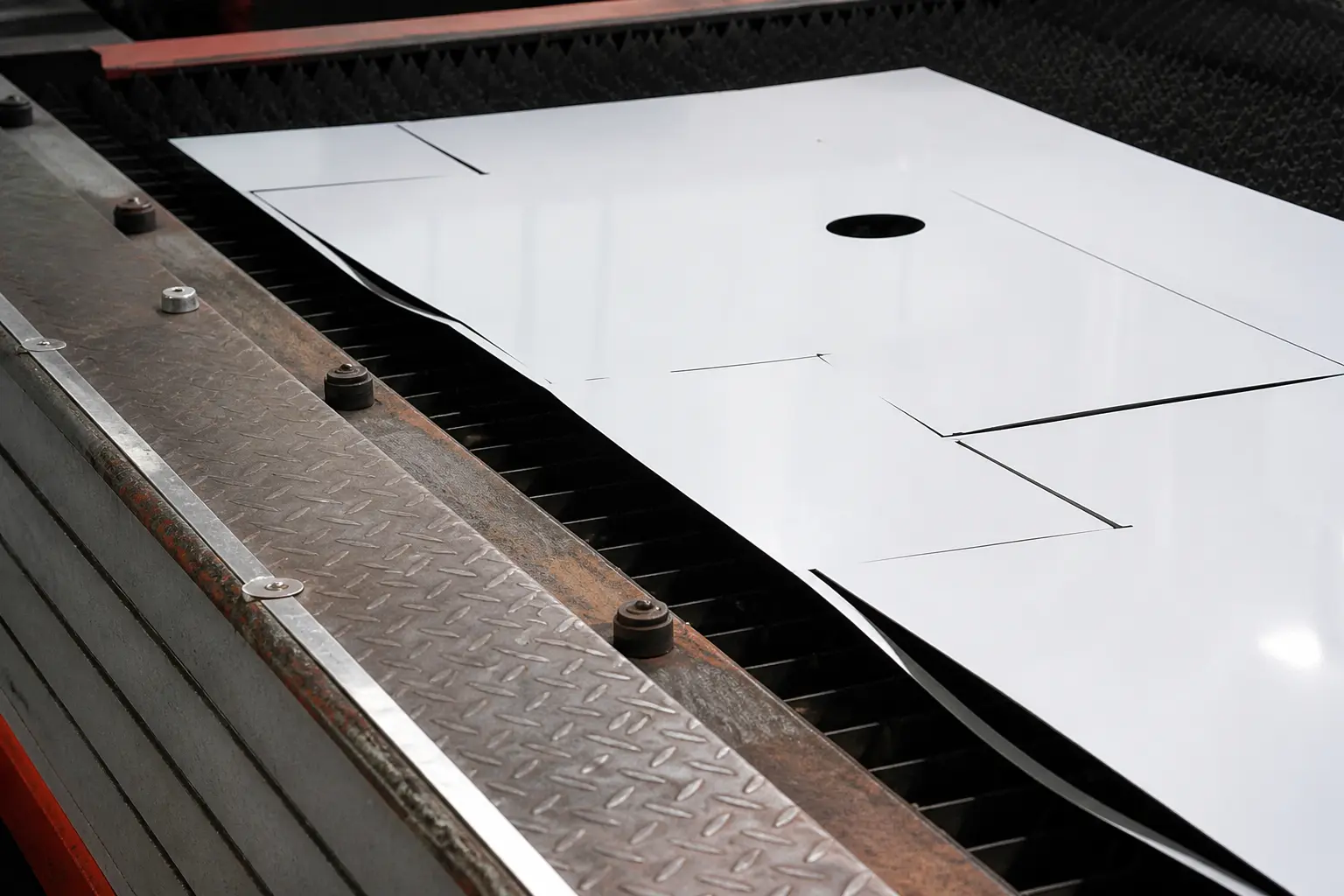
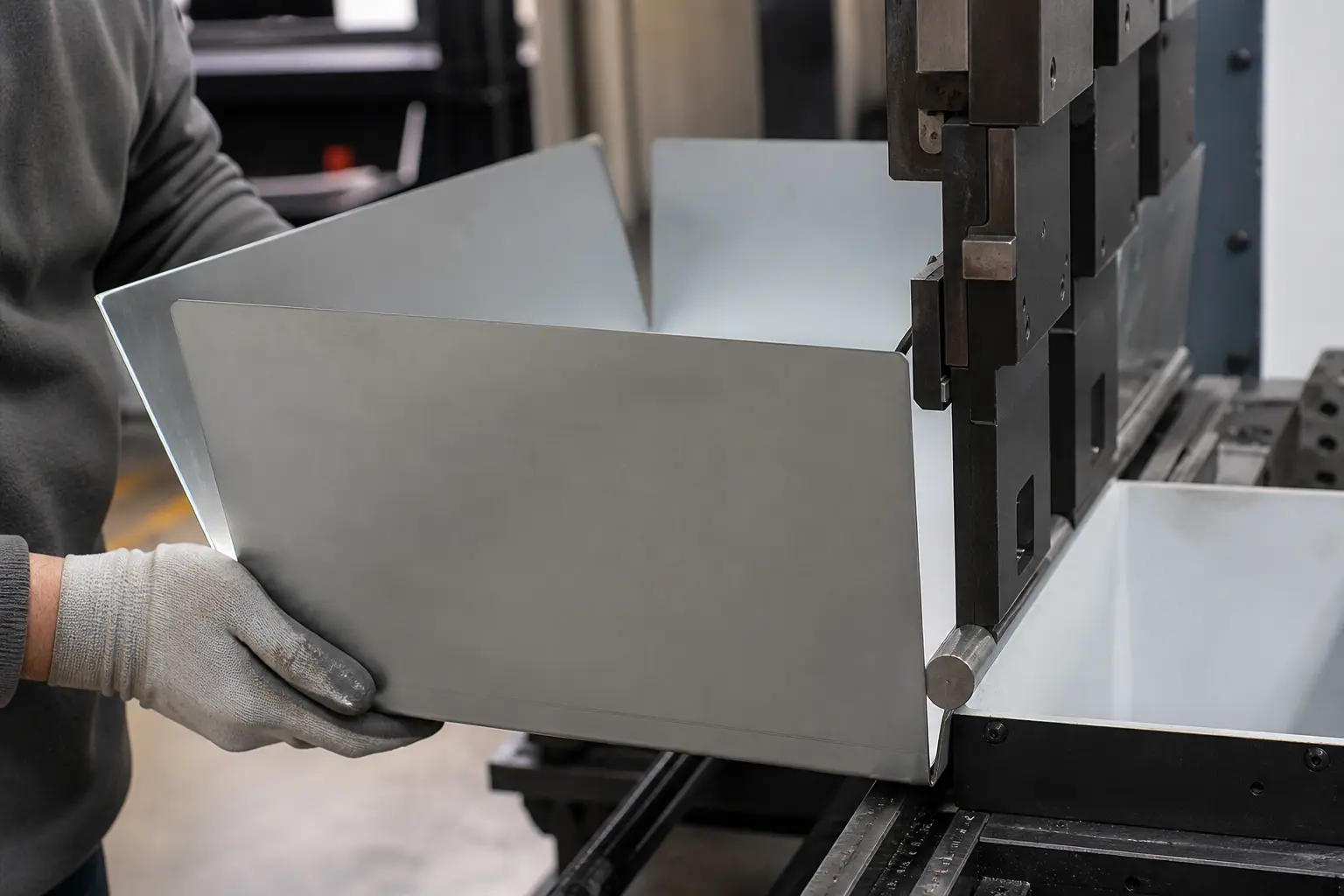
Different sink types use different production methods. Handmade sinks are cut, bent, welded, and polished. Pressed sinks are formed by molds. In both cases, the details that matter are dimension control, drain accuracy, surface finish, accessory fitting, and packaging protection.
01. Stainless Steel Sheet Inspection
02. Cutting or Stamping
03. Bending or Forming
04. Welding or Structural Processing
05. Grinding and Polishing
06. Rim and Edge Checking
07. Drain Hole Checking
08. Sound Pad and Coating
09. Accessory Fitting
10. Final QC and Packing
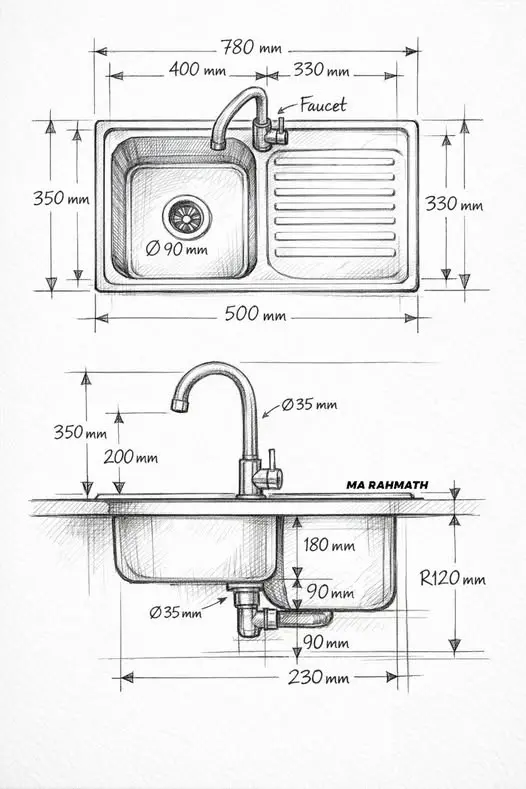
Drawing & Dimension Confirmation
Before sample approval or mass production, the drawing details should be clear enough for installation, accessory matching, and repeat orders.
How Matrix Handmade Sinks & Pressed / Drawn Sinks Are Installated?
Watch the installation video to understand the basic steps, countertop preparation, sink positioning, sealing, faucet and drain connection, and final checks for stainless steel kitchen sinks.
For B2B buyers, installation support helps reduce confusion for distributors, showrooms, project teams, and installers. A clear installation guide can also support after-sales communication and project handover.
Stainless Steel Kitchen Sink Installation Video
This installation video helps buyers, installers, and project teams understand the basic installation process for stainless steel kitchen sinks, including countertop preparation, sink positioning, sealing, drain connection, and final inspection.
Stainless steel kitchen sink installation guide by Matrix.
What Buyers Should Confirm Before Installation
Installation is not only an installer’s job. For B2B orders, the right installation details should be confirmed before sampling, project approval, and bulk shipment.
Installation Type
Confirm whether the sink is undermount, top mount, apron front, workstation, or project-specific installation.
Countertop Cut-Out
Check cut-out size, rim allowance, corner radius, mounting edge, and countertop material compatibility.
Faucet & Drain Position
Review faucet hole, drain position, overflow option, strainer, waste kit, and accessory layout before installation.
Sealing & Final Check
Confirm sealing method, surface protection, water test, accessory fit, and cleaning guidance after installation.
Need Installation Details for a Project?
For project or private-label orders, Matrix can help review sink model, installation type, cut-out reference, faucet hole, drain position, accessory set, and packing details before shipment.
Project Requirements
Connect with Matrix engineering team to review your bulk order or project installation specifications.
Quality Details That Matter After Installation
A stainless steel kitchen sink can look clean in a catalog photo but still create problems after installation. The details below are what buyers should check before approving a sample or placing repeat orders.
Common Issues Buyers Want to Avoid
These are the details buyers usually care about after installation, not only during quotation.
Does Not Fit the Cabinet
The outer size or bowl depth may look acceptable on paper, but the actual cabinet base or countertop cut-out does not match.
Drain Position Mismatch
The sink is delivered, but the drain position does not fit the plumbing or cabinet layout.
Accessories Do Not Fit
The bottom grid, cutting board, or colander looks correct in photos, but does not match the final sink size.
Finish Inconsistency
Black, gold, grey, or satin finishes can create complaints if finish samples and batch expectations are not confirmed.
Damage in Transit
Good sinks can still become complaints if surface protection and corner packaging are weak.
Repeat Order Variation
The first sample may be approved, but later orders can create problems if size, finish, packaging, or accessory fit changes.
Why Buyers Still Choose Stainless Steel Kitchen Sinks
Stainless steel is still widely used in kitchen sink programs because it balances durability, cost, weight, cleanability, and production flexibility. It works for residential kitchens, apartments, hospitality projects, outdoor kitchens, RV spaces, and utility areas.
- Easier to produce in different sizes
- Suitable for both handmade and pressed production
- Works with brushed, satin, black, gold, grey, or PVD finishes
- Can be matched with many accessories
- Easier to pack and ship than heavy stone or ceramic options
- Practical for wholesale and project supply
Packaging for Wholesale and Project Orders
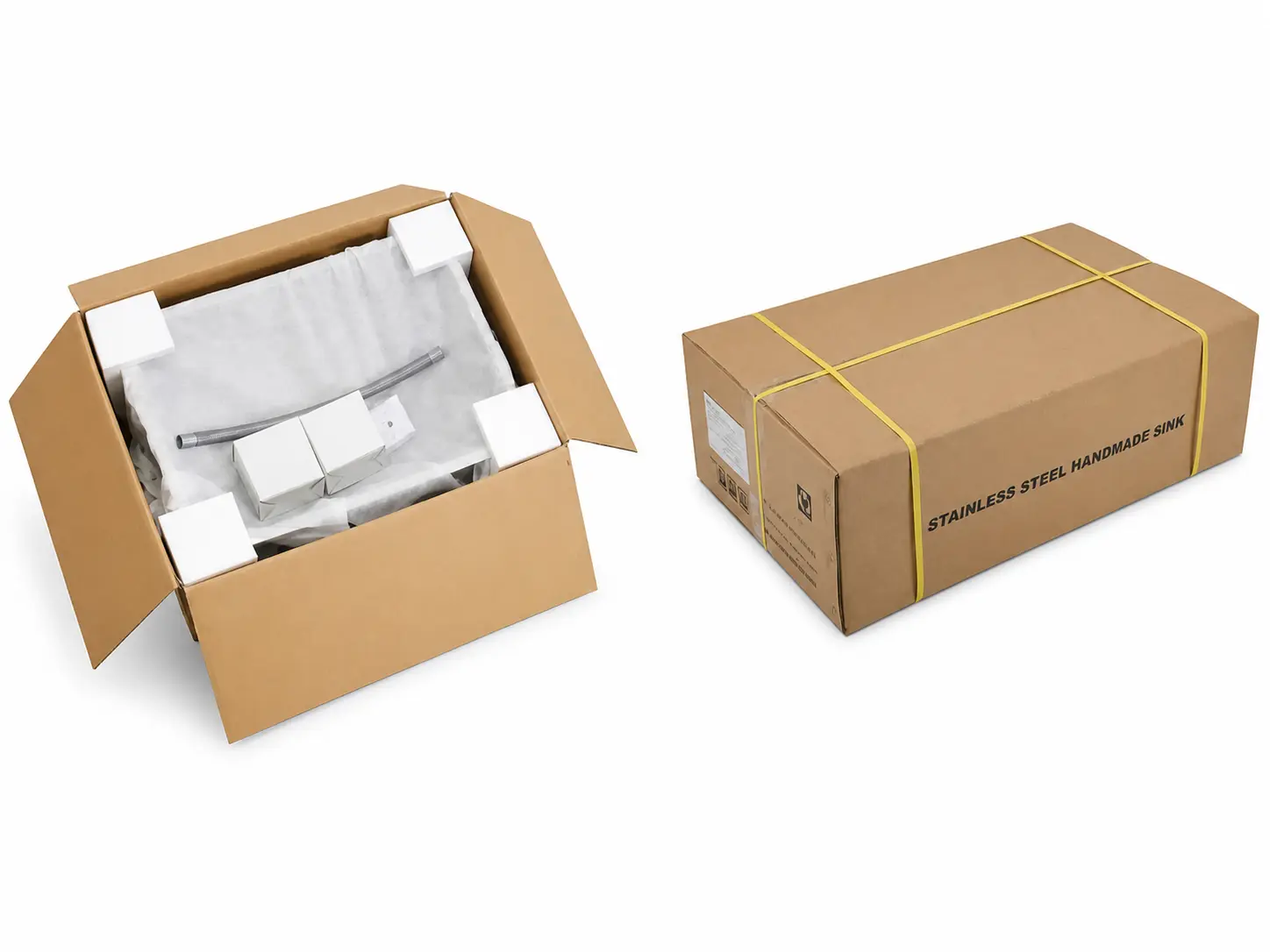
Stainless steel sinks have large visible surfaces, exposed edges, and often matched accessories. Good packaging is not a detail. It is part of the product experience.
Where Stainless Steel Kitchen Sinks Fit Best
Different projects need different sink structures. A sink for an apartment project is not selected the same way as a sink for an outdoor BBQ area or a workstation retail set.
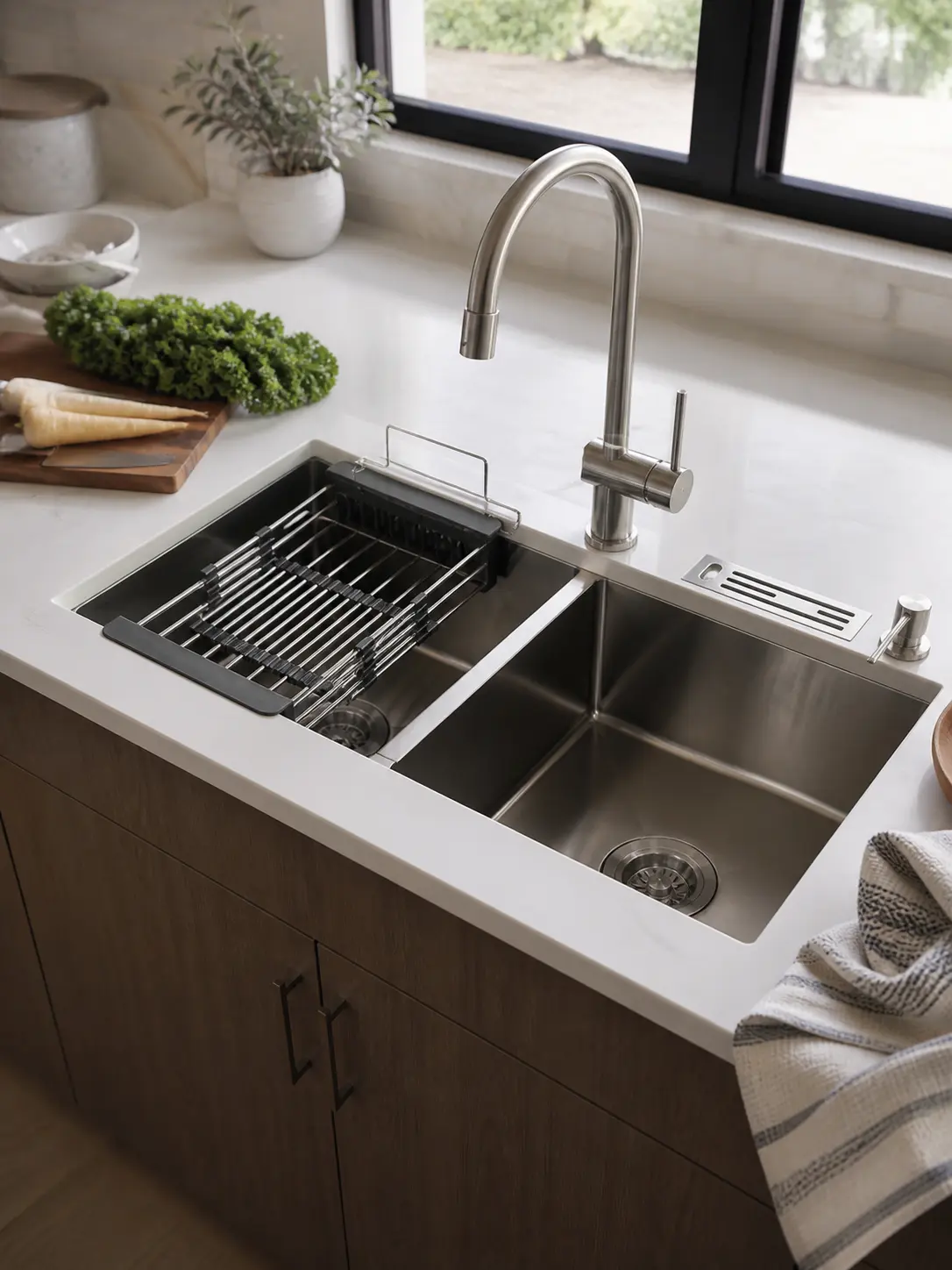
Residential Kitchen Brands
For brands that need stable sink families across different sizes, finishes, and accessory combinations.
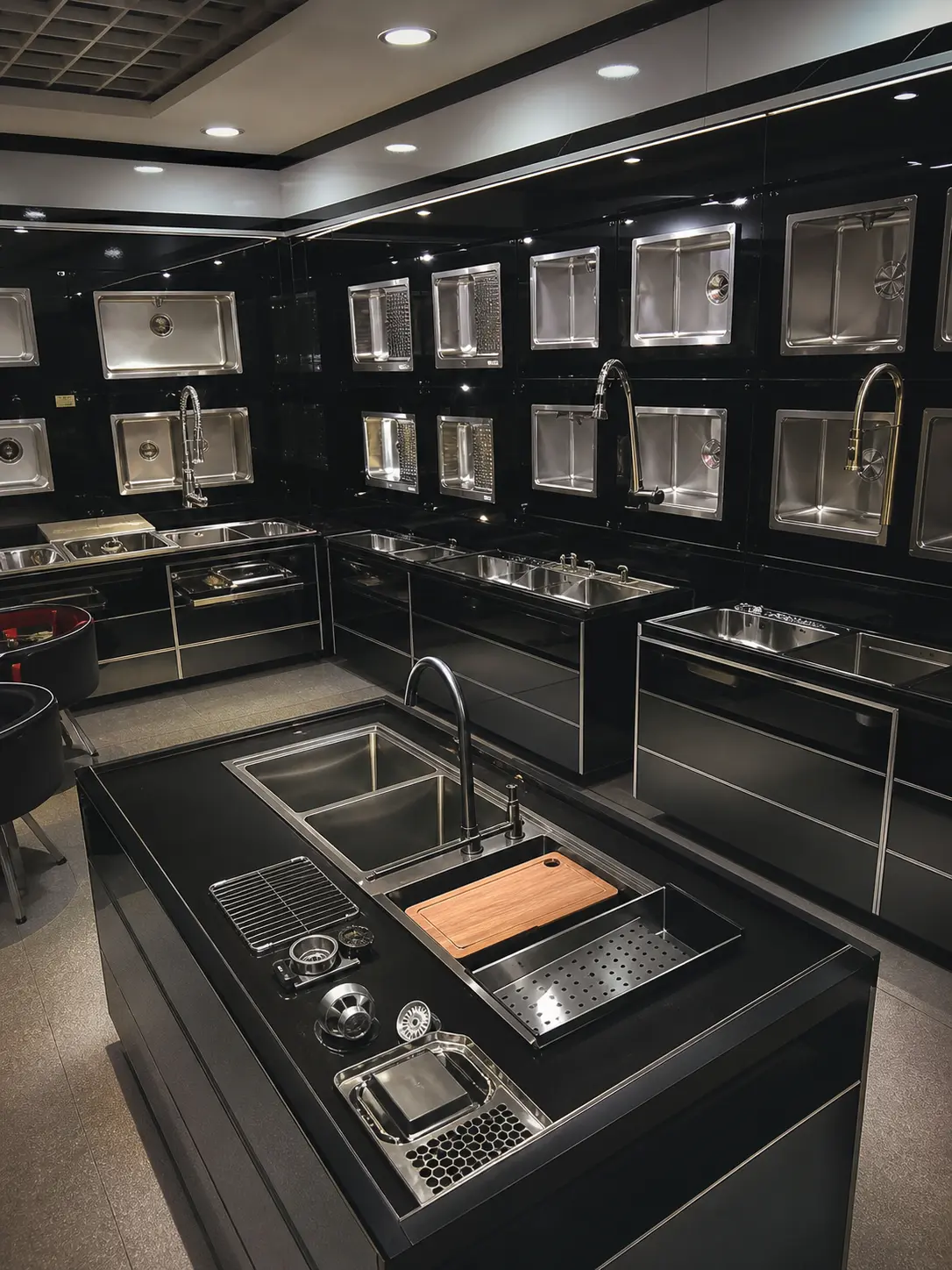
Wholesale and Distribution
For buyers who need repeatable specifications, packaging options, and product lines that can be stocked and reordered.
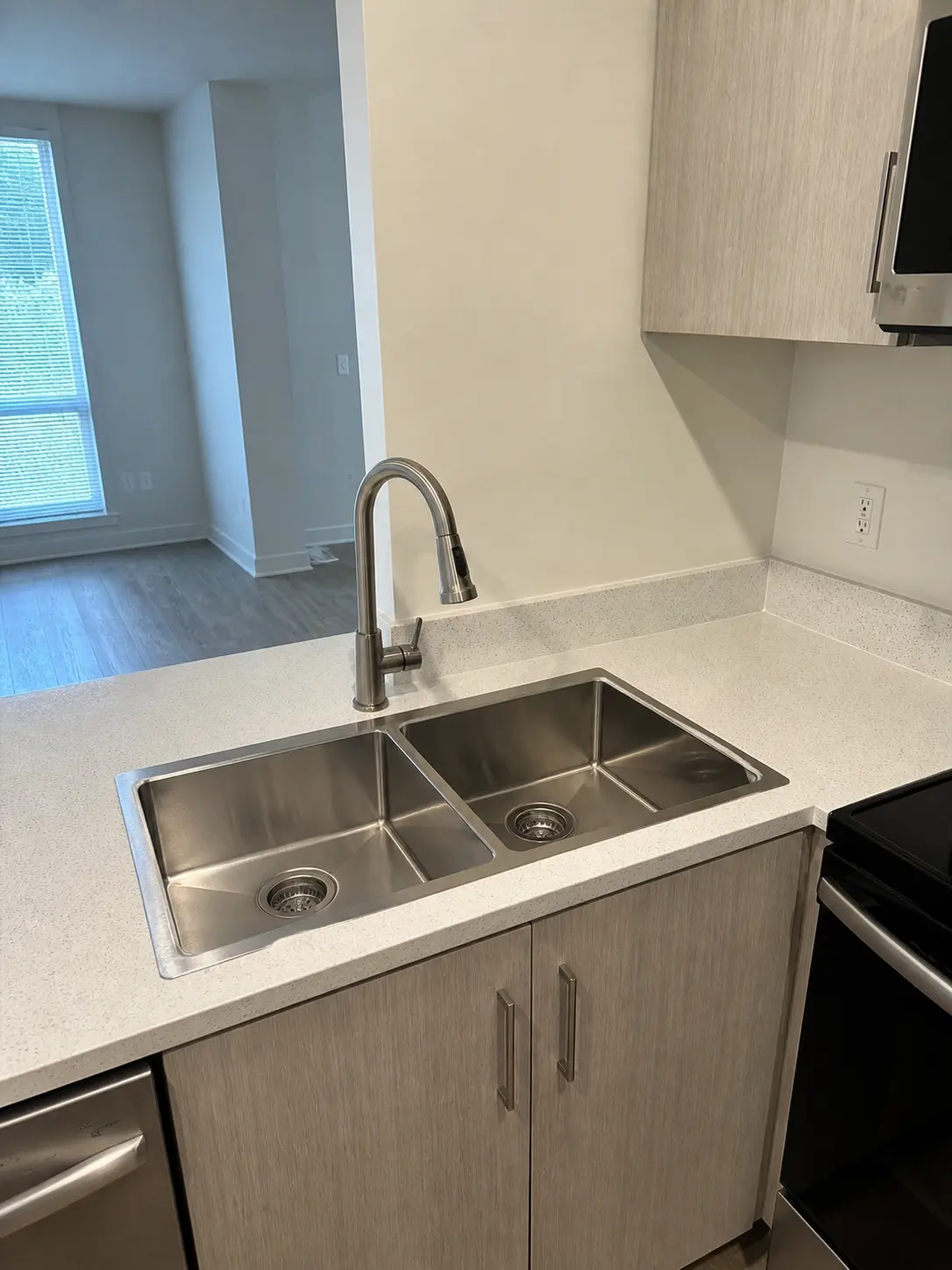
Apartment & Multifamily
For projects where installation size, packing control, and long-term replacement availability matter.
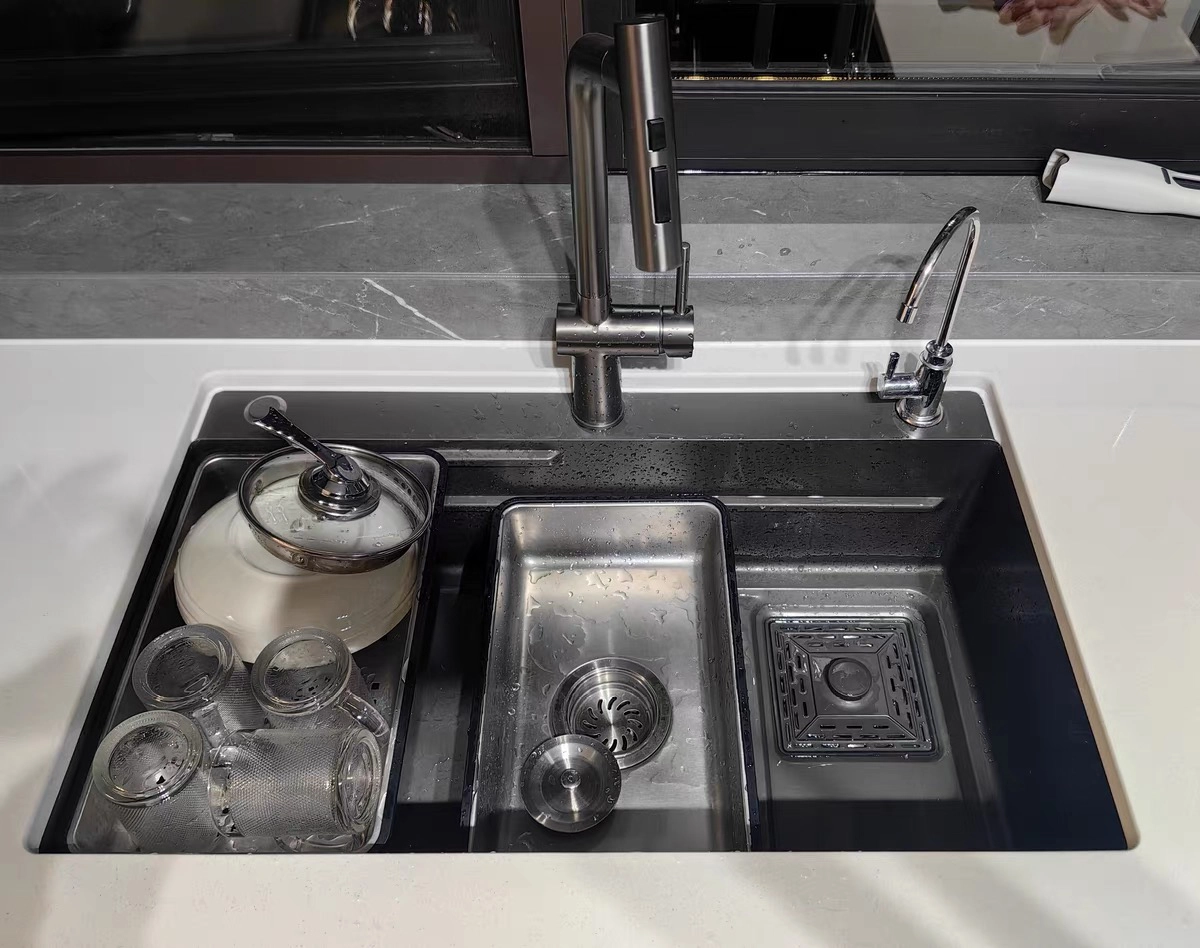
Workstation Sink Programs
For sink sets built around cutting boards, colanders, bottom grids, baskets, and roll-up racks.
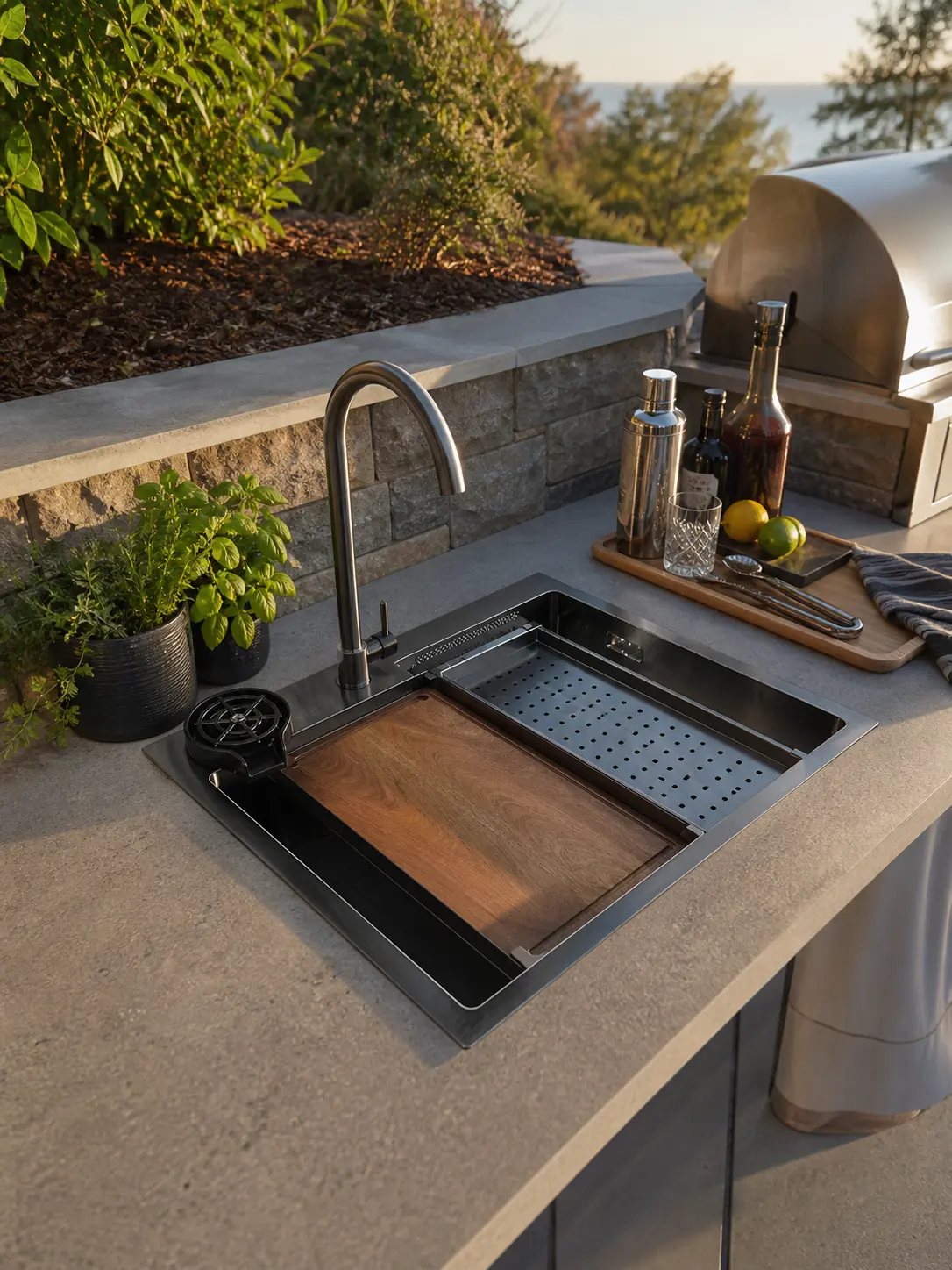
Outdoor Kitchen Areas
For BBQ, patio, and prep spaces where stainless steel material, drainage, and surface maintenance matter.
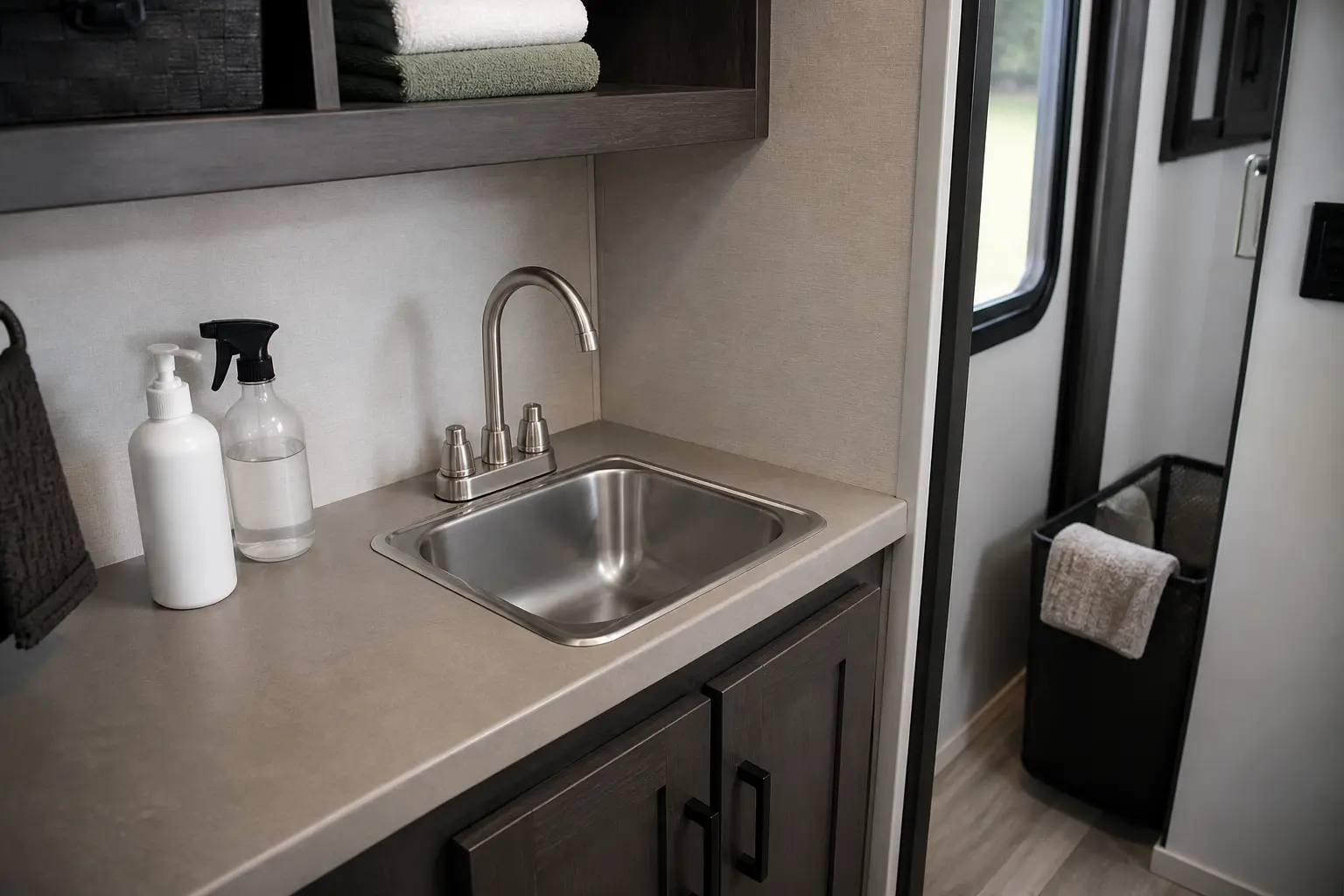
RV, Bar & Utility Spaces
For smaller or special-use spaces where sink size, bowl depth, and practical installation are important.
Stainless Steel Kitchen Sink FAQ
What is the best stainless steel grade for kitchen sinks?
What is the difference between handmade and pressed stainless steel sinks?
Is 16 gauge better than 18 gauge for kitchen sinks?
Can stainless steel kitchen sinks be customized?
What installation types are available?
What finishes are available for stainless steel sinks?
Can accessories be matched with each sink model?
What should buyers check before approving a sample?
Can stainless steel sinks be supplied for wholesale and project orders?
Planning a Stainless Steel Sink Program?
Send us your target installation type, size range, finish, bowl design, and accessory plan. We can help check whether the model should be handmade, pressed, workstation, apron front, outdoor, RV, or a mixed stainless steel sink program.