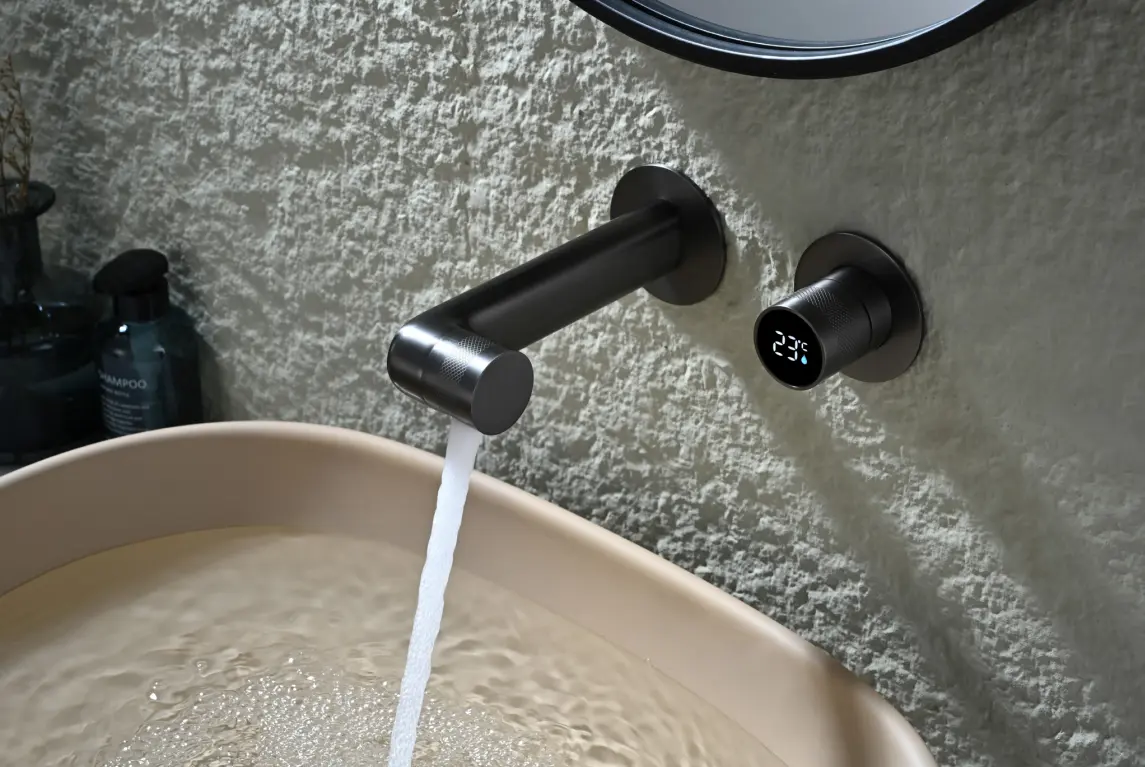
Concealed Basin & Wall-Mounted Faucet for Bathroom
Concealed Rough-In | Visible Trim Control | Spout Projection Review | OEM Finish Support
Concealed basin faucets must be reviewed before wall finishing, tile installation, mirror placement, and vanity installation. Buyers should confirm rough-in depth, wall thickness, concealed body position, spout projection, outlet height, water landing, visible trim, installation accessories, and finish consistency before confirming a project order.

Concealed Basin & Wall-Mounted Faucet Manufacturer & Supplier
Concealed Bathroom Faucet Production & OEM Support for Project Installations
Matrix supports concealed basin faucet programs for bathroom brands, sanitaryware importers, hotel projects, villa bathrooms, apartment projects, distributors, wholesalers, and OEM / private-label customers. We focus on concealed body consistency, visible trim alignment, spout and handle matching, outlet testing, surface finish control, rough-in compatibility, accessory organization, and protective packing.
In-house manufacturing
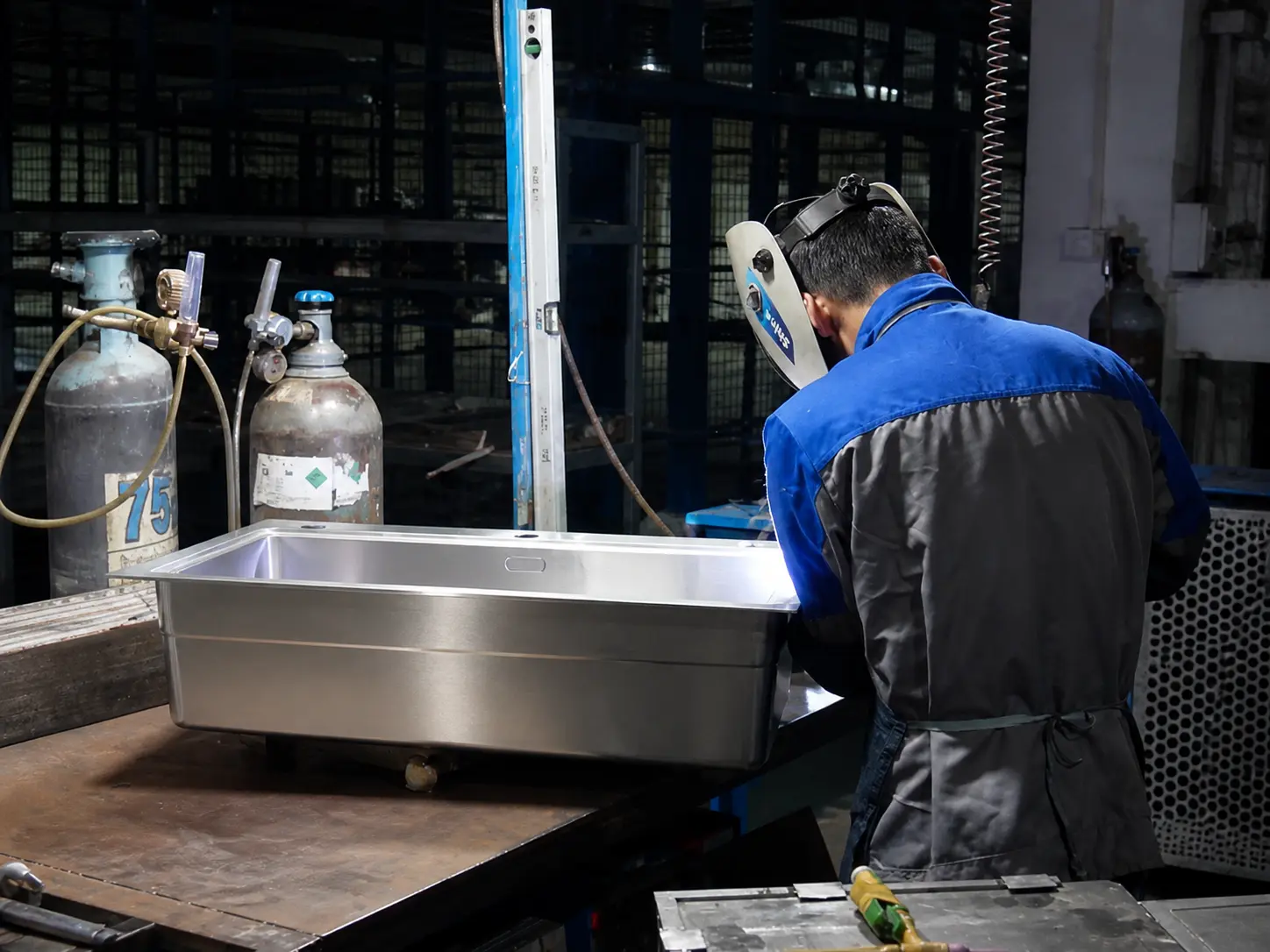
Control over faucet body forming, concealed body / valve assembly, handle operation, outlet testing, surface treatment, and product traceability.
OEM / ODM support
Support for logo, finish, spout projection direction, handle design, packaging, bathroom collection matching, and private-label programs.
Flexible MOQ & samples
Support sample review, finish confirmation, installation accessory review, pilot orders, and project-based development.
8 years export experience
Reliable supply support for US, Middle East, Latin America, hotel, villa, apartment, and global bathroom product buyers.
Professional Note: Concealed basin faucets require accurate rough-in planning and component consistency because installation mistakes are harder to correct after wall finishing.
What Is a Concealed Basin Faucet?
Understanding basin faucets with concealed in-wall components and visible wall-mounted trim.
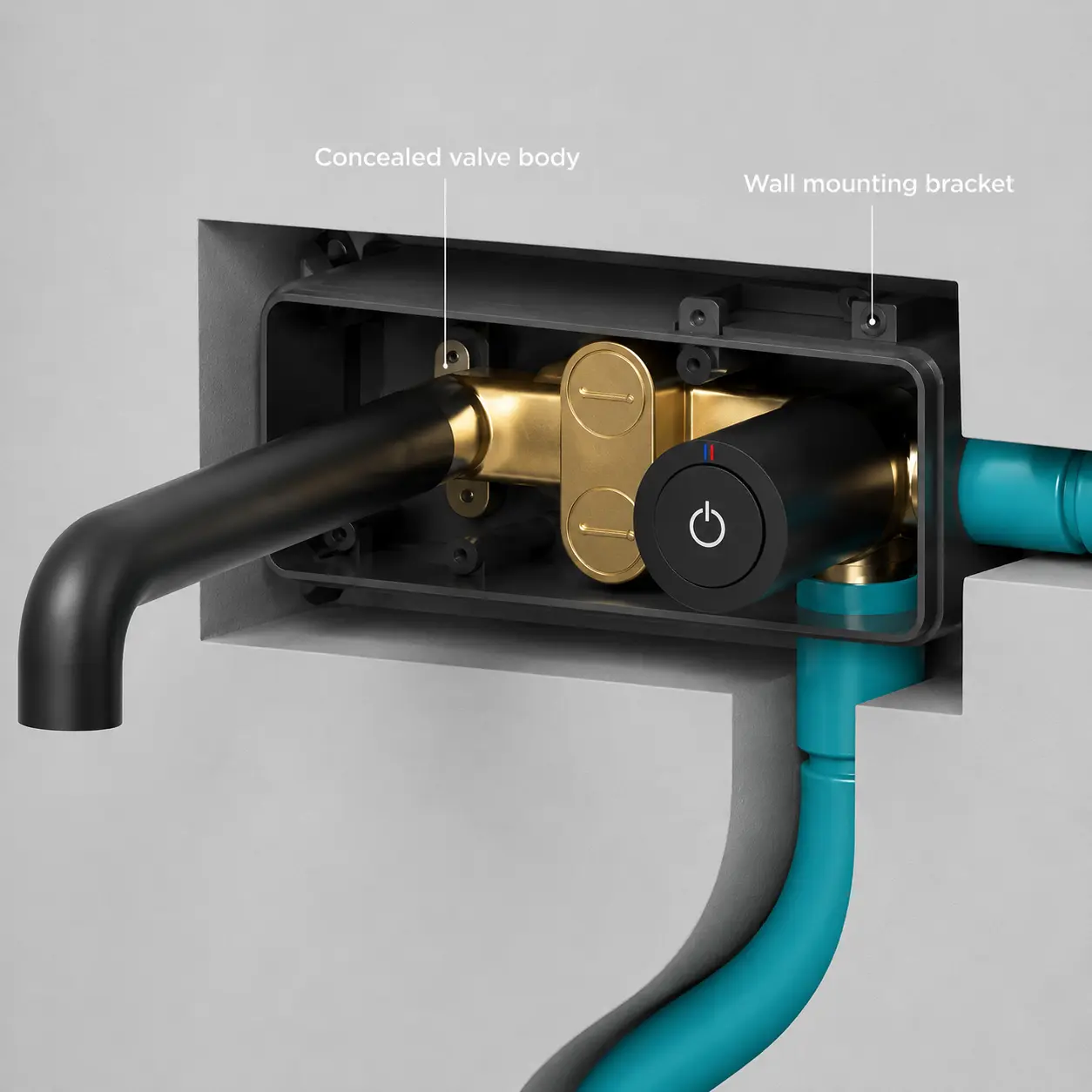
A concealed basin faucet is a bathroom faucet designed with key components installed behind the finished wall. After installation, users usually see the wall-mounted spout, handle, trim plate, and outlet, while the concealed body and internal connections remain hidden inside the wall.
Concealed In-Wall Structure
The valve body and key internal components are installed behind the finished wall.
Visible Wall-Mounted Trim
The visible spout, handle, trim plate, and outlet create a clean wall-mounted bathroom appearance.
Clean Countertop Space
This structure keeps the faucet off the vanity top and supports minimalist bathroom design.
Pre-Wall Planning Required
Rough-in depth, wall thickness, spout projection, handle position, mirror layout, tile thickness, and finished wall surface should be reviewed before installation.
Professional Note: A concealed basin faucet is not only a faucet selection. It is also a wall planning decision. The concealed body and visible trim should be confirmed before wall finishing, tile installation, mirror placement, and vanity installation.
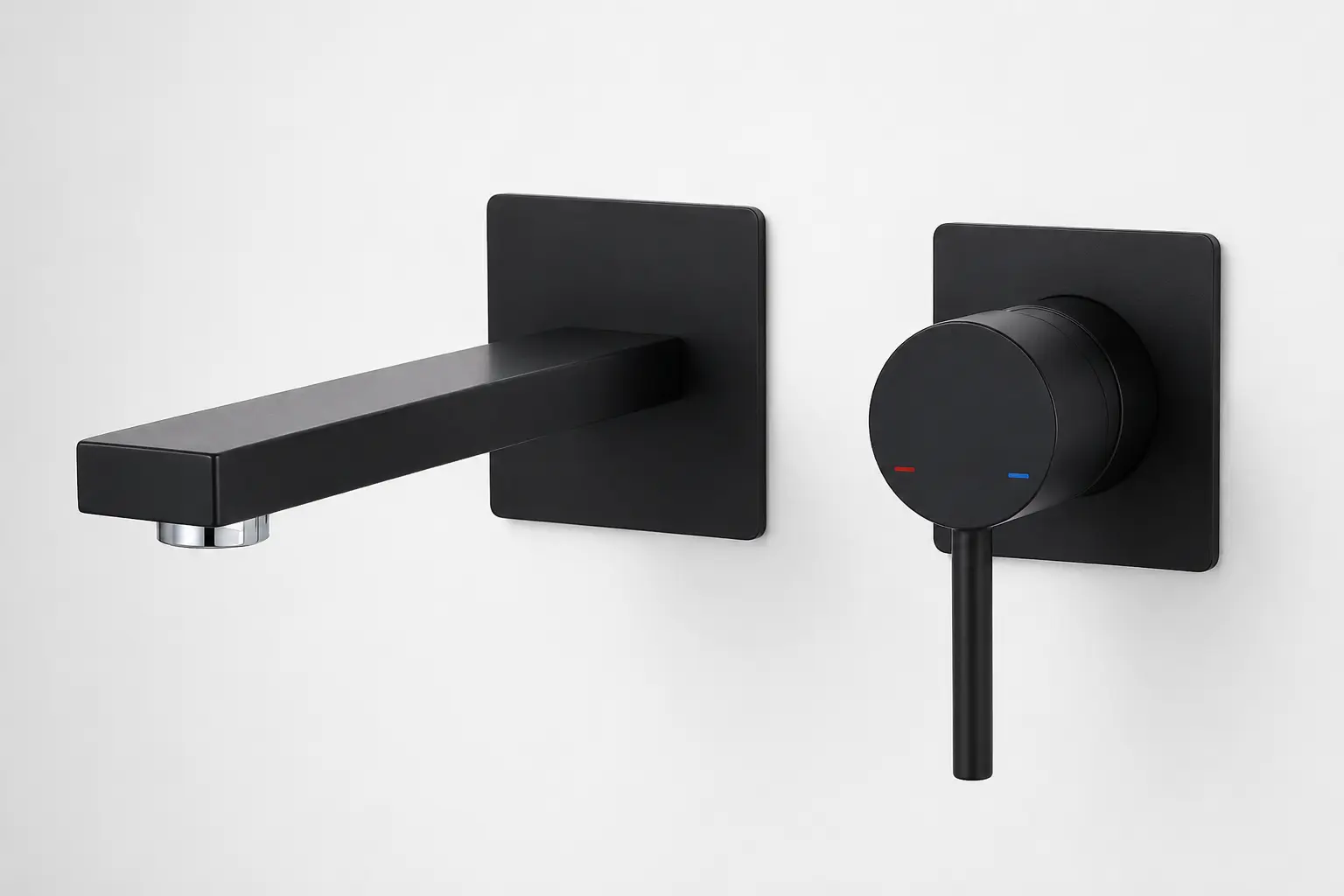
Available Concealed Basin Faucet Styles
Explore the main concealed basin faucet styles Matrix can support for wall-mounted bathroom installations, including square waterfall, round spout, ring waterfall, and single-lever backplate designs.
Square Waterfall Concealed Basin Faucets
Flat rectangular spout with square trim acting as a wall-mounted waterfall basin faucet for modern vanities. This square concealed basin faucet and concealed waterfall basin faucet program is perfect for hotel bathrooms, offering a premium square wall-mounted basin mixer design.
- Flat waterfall water outlet
- Square trim design
- Strong modern bathroom style
- Suitable for premium vanity projects
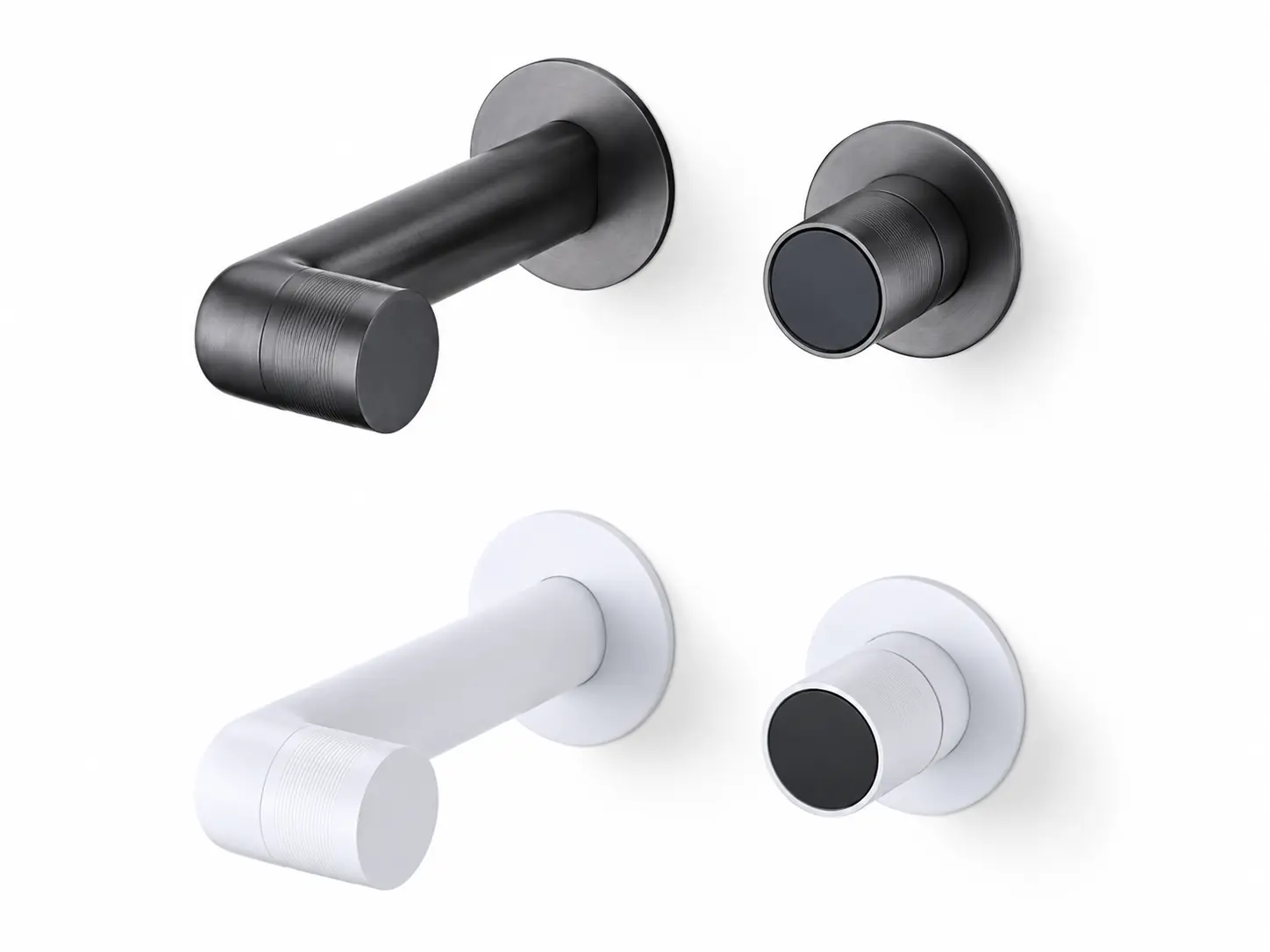
Round Spout Concealed Basin Faucets
Cylindrical wall-mounted spout with round trim for soft minimalist bathrooms. This round concealed basin faucet and concealed basin mixer round spout is perfect for hotel vanities, offering a versatile round wall-mounted basin faucet and cylindrical spout basin faucet solution.
- Round wall-mounted spout
- Soft and clean appearance
- Easy bathroom collection matching
- Suitable for hotels and apartments
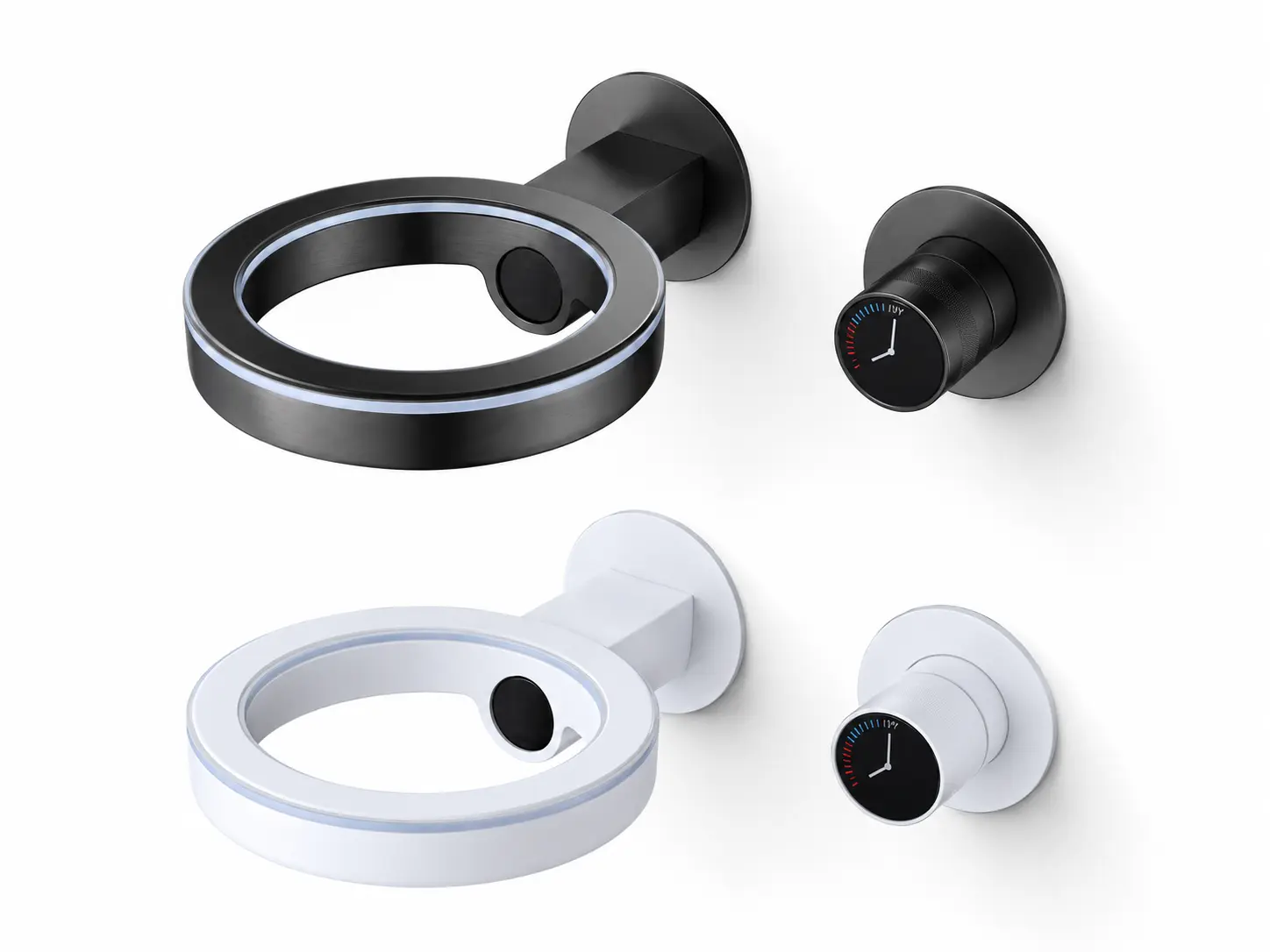
Ring Waterfall Concealed Basin Faucets
Circular ring-style water outlet with decorative waterfall flow. This ring waterfall basin faucet and circular waterfall basin faucet acts as a striking loop spout concealed basin faucet, making it the ideal ring concealed basin faucet for premium showrooms and villas.
- Ring-shaped water outlet
- Decorative waterfall effect
- Strong visual identity
- Best for showroom and premium programs
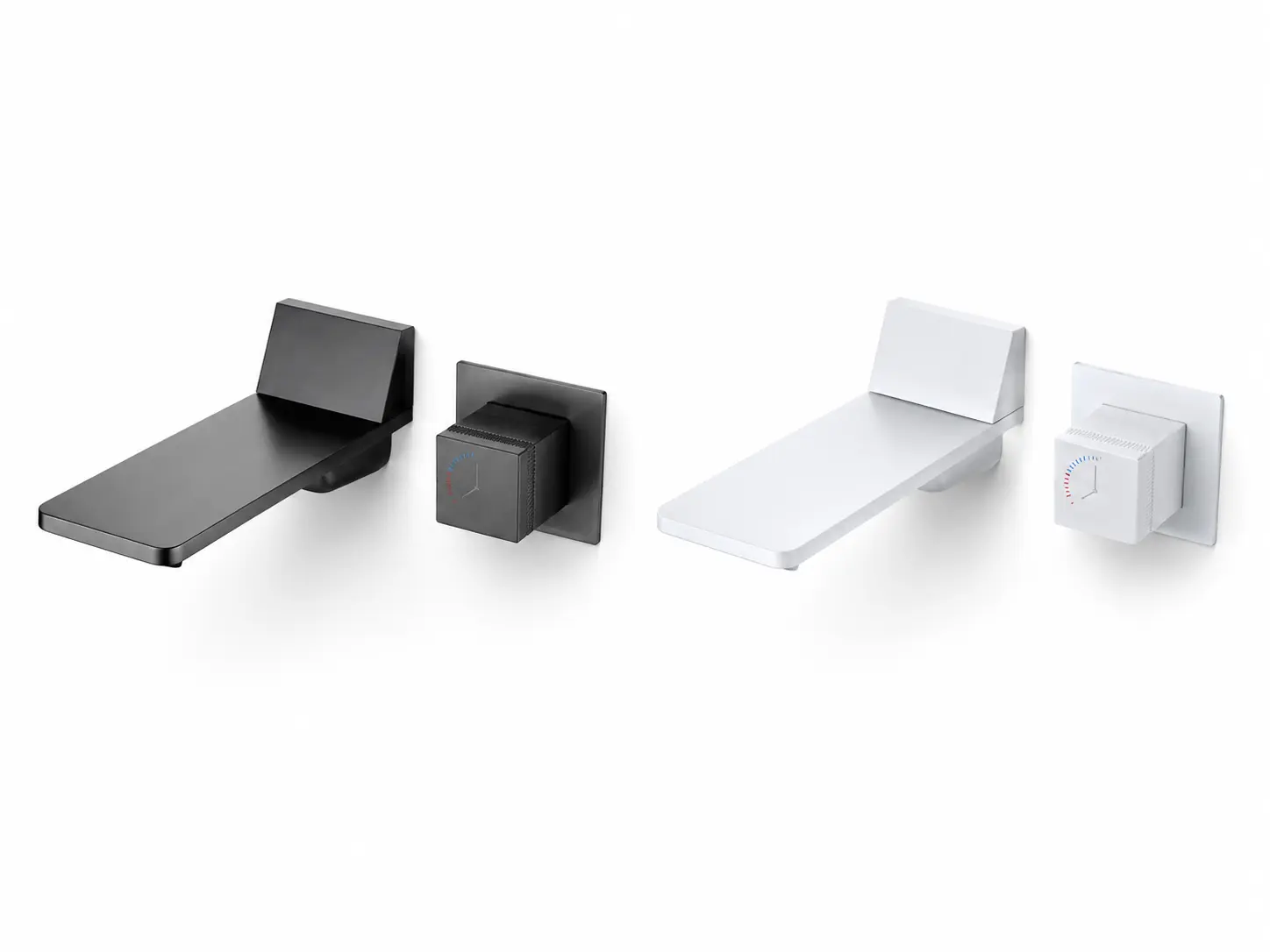
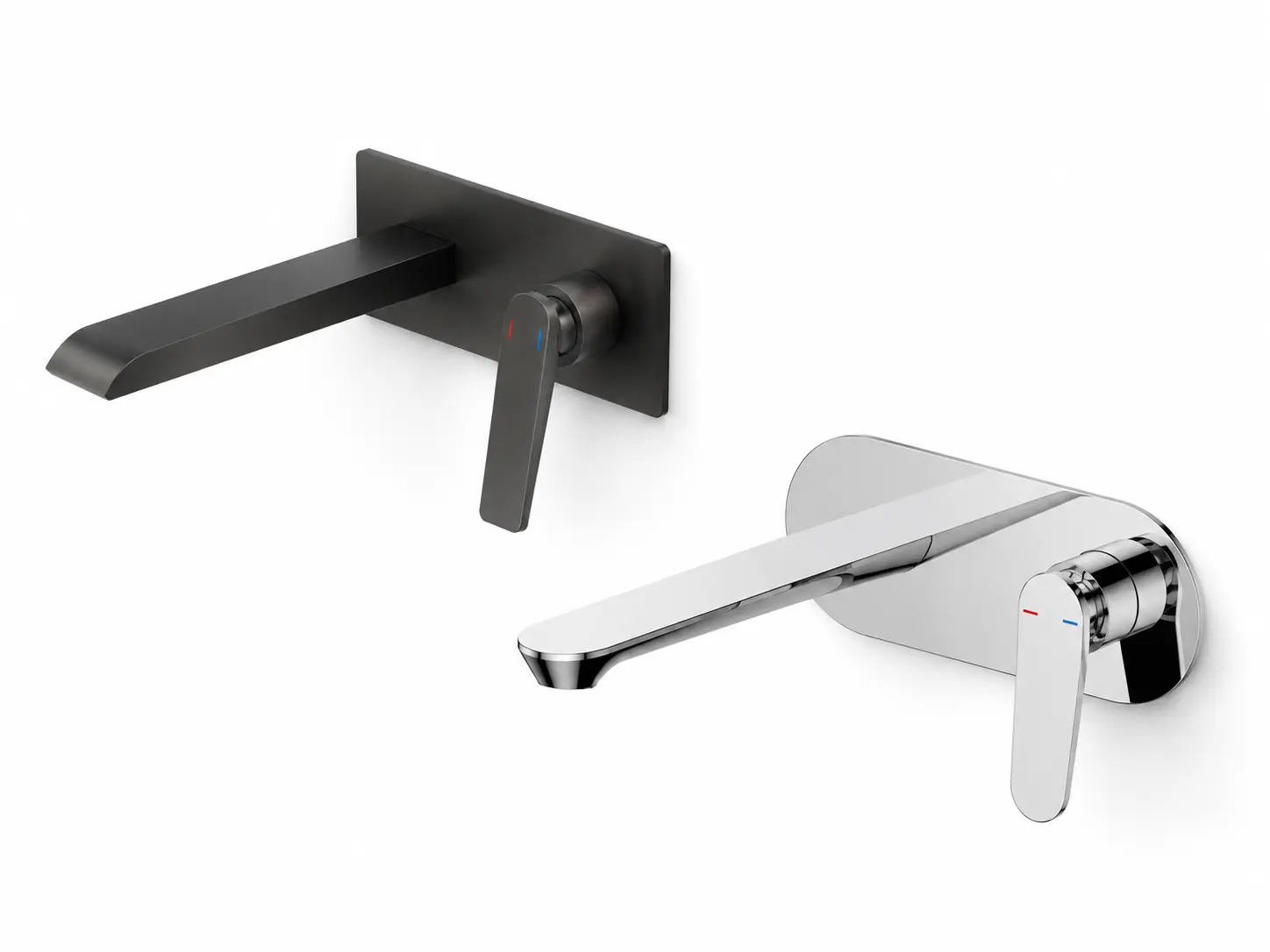
Single-Lever Concealed Basin Faucets with Backplate
Integrated backplate design with single-lever control for clean wall alignment. This single lever concealed basin faucet and concealed basin faucet with backplate ensures easy coordination. An excellent plate-mounted basin faucet and wall-mounted basin mixer with plate for projects.
- Single-lever control
- Backplate / integrated wall trim
- Clean wall alignment
- Suitable for modern project bathrooms
Visible Trim & Concealed Body: What Buyers Should Confirm
Concealed basin faucet programs should review both the visible finished parts and the hidden in-wall components.
Visible Trim Parts
These are the parts buyers and users can see after installation.
- Wall-mounted spout
- Handle or control trim
- Decorative plate / escutcheon
- Visible finish surface
- Outlet / aerator
Buyer Note: Visible trim needs finish consistency, scratch protection, and alignment with the basin, mirror, and bathroom accessories.
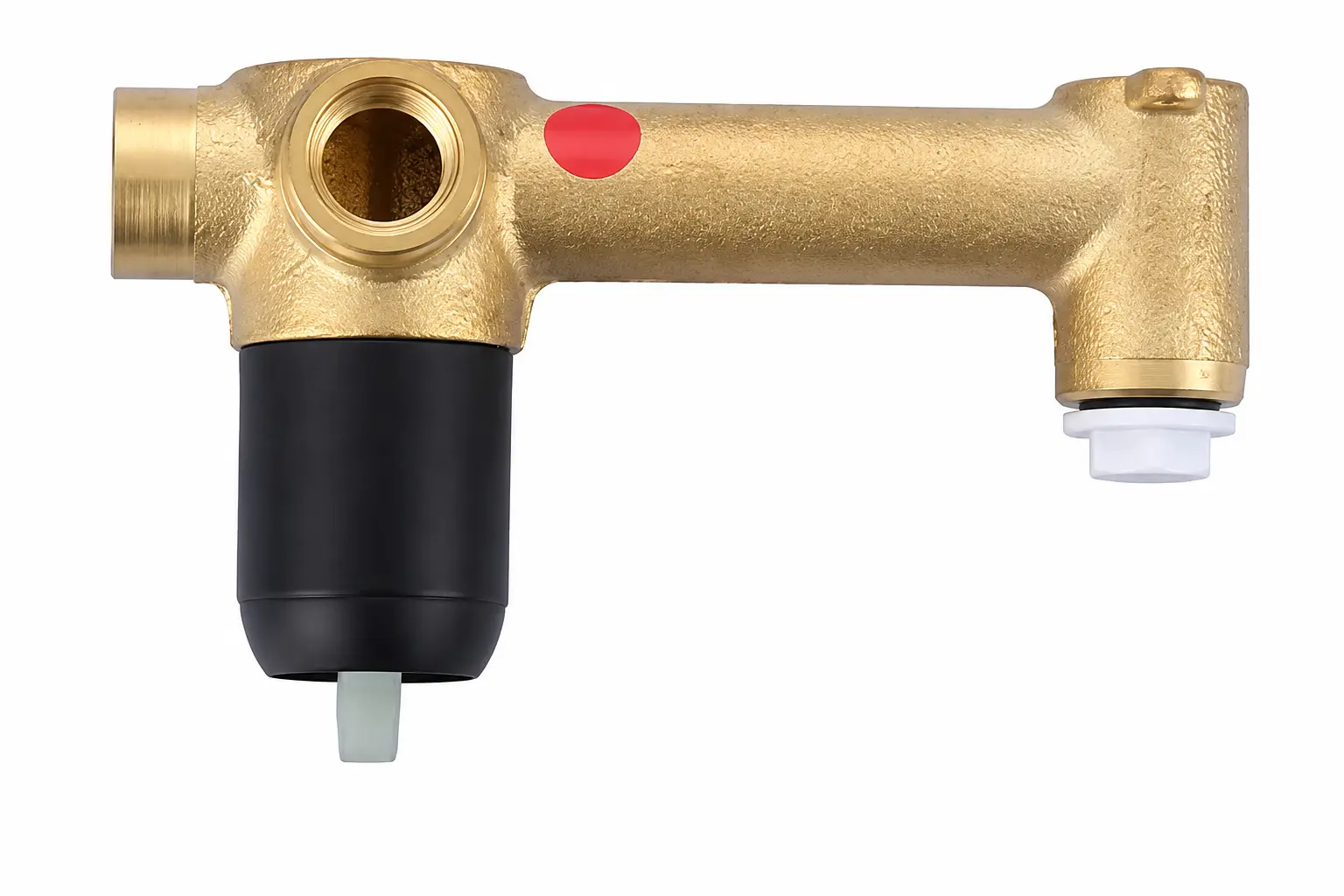
Concealed In-Wall Parts
These are the parts hidden behind the finished wall.
- Concealed body / valve body
- Internal connector
- Hot / cold inlet connection
- Rough-in component
- Fixing parts and installation accessories
Buyer Note: Concealed parts must match wall thickness, rough-in depth, installation method, and future maintenance needs.
Concealed vs Deck Mount vs Tall Basin Faucets: Which Fits Your Project?
Different basin faucet structures require different installation planning and buyer checks.
Deck Mount Basin Faucet
Standard bathroom vanities, apartments, broad-market projects
Easier installation and simpler replacement; installed on countertop or basin deck.
Lower rough-in risk.
Tall Basin Faucet
Above-counter basins and countertop basins
Good when extra height is needed; height, reach, and splash control must be reviewed.
Splash and height must be reviewed.
Concealed Basin Faucet
FocusWall-mounted bathroom installations, minimalist bathrooms, hotels, villas, premium projects
Creates clean countertop space and a wall-mounted appearance.
Must be planned before wall finishing.
Professional Note: Concealed basin faucets are ideal when the project wants a clean wall-mounted appearance and minimalist vanity space, but they require earlier coordination than deck-mounted or tall basin faucets.
Concealed Basin Faucet vs Wall-Mounted Basin Faucet: Are They the Same?
Understanding common product terms used in different markets.
In many markets, 'concealed basin faucet' and 'wall-mounted basin faucet' are closely related terms, but they do not describe the same thing exactly. 'Concealed' describes the hidden in-wall structure, while 'wall-mounted' describes the visible installation result on the bathroom wall.
Buyer Takeaway
If the faucet body or valve is installed inside the wall, buyers should treat it as a concealed installation and confirm rough-in depth, wall thickness, spout projection, handle position, installation accessories, and maintenance access before ordering.
Rough-In Planning Before Wall Finishing
A concealed basin faucet is not only a faucet selection — it is also a wall planning decision.
Wall Thickness & Rough-In Depth
Confirm whether the concealed body fits the wall structure and installation depth.
Finished Wall Surface & Tile Thickness
Tile thickness and final wall surface can affect trim position and visible part alignment.
Concealed Body Position
The in-wall body should align with the basin centerline, vanity layout, and finished wall surface.
Spout Height Above Basin
The spout should be installed at a comfortable height above the basin rim.
Spout Projection & Water Landing
Water should land inside the usable area of the basin, not too close to the front edge or back wall.
Handle Position & User Comfort
The handle should be easy to operate and should not conflict with mirrors, shelves, or wall accessories.
Maintenance Access & Replacement Parts
Cartridge replacement, internal body access, and spare parts should be considered before project approval.
Professional note: Concealed basin faucets must be planned before tiles, finished wall surfaces, mirror installation, and vanity installation are completed.
Request Rough-In Planning Support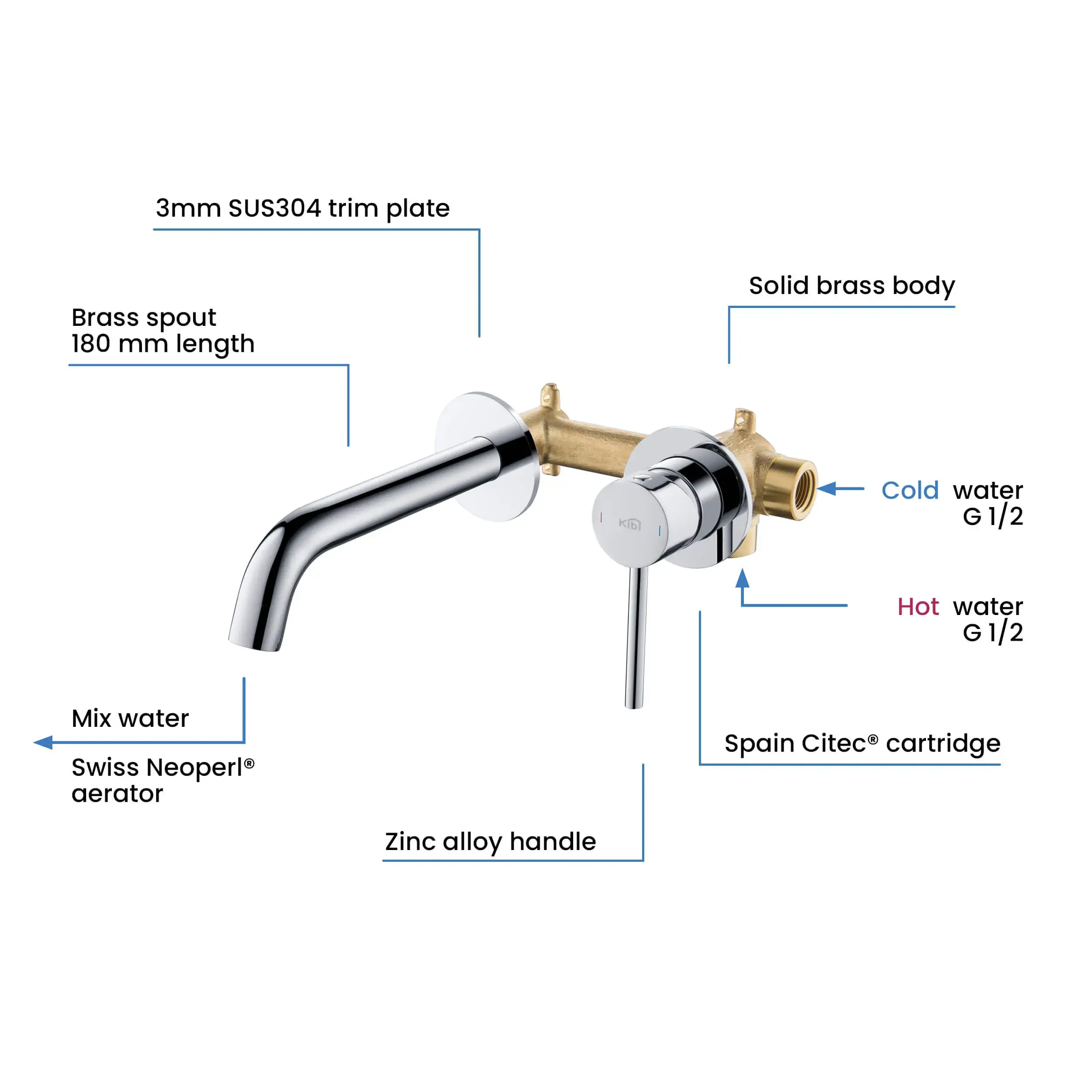
Before Wall Finishing: What Buyers Must Confirm
Confirm these details before tile installation, mirror placement, vanity installation, and finished wall completion.
How Buyers Should Choose a Concealed Basin Faucet
A practical selection path for bathroom brands, hotel projects, villa bathrooms, apartment projects, and OEM buyers.
Confirm the Bathroom Layout
Check basin position, vanity width, mirror height, wall condition, and project design.
Confirm Rough-In Requirements
Review wall depth, concealed body position, spout height, spout projection, and handle location before construction.
Check Water Landing
Water should land comfortably inside the basin, not too close to the front edge, back wall, or side wall.
Match Finish & Collection
Coordinate with shower systems, bath faucets, drains, mirror frame, towel bar, and bathroom accessories.
Review OEM Requirements
Confirm logo, packaging, samples, installation instructions, spare parts, MOQ, and repeat-order consistency.
Concealed Basin Faucet Features, Explained for Project Buyers
Use image-plus-text blocks to explain the details buyers should check before confirming a concealed faucet program.
Concealed In-Wall Structure
The faucet body or valve is hidden behind the finished wall for a cleaner bathroom appearance.
Visible Wall-Mounted Trim
Spout, handle, trim plate, and outlet remain visible and should align with the basin and finished wall surface.
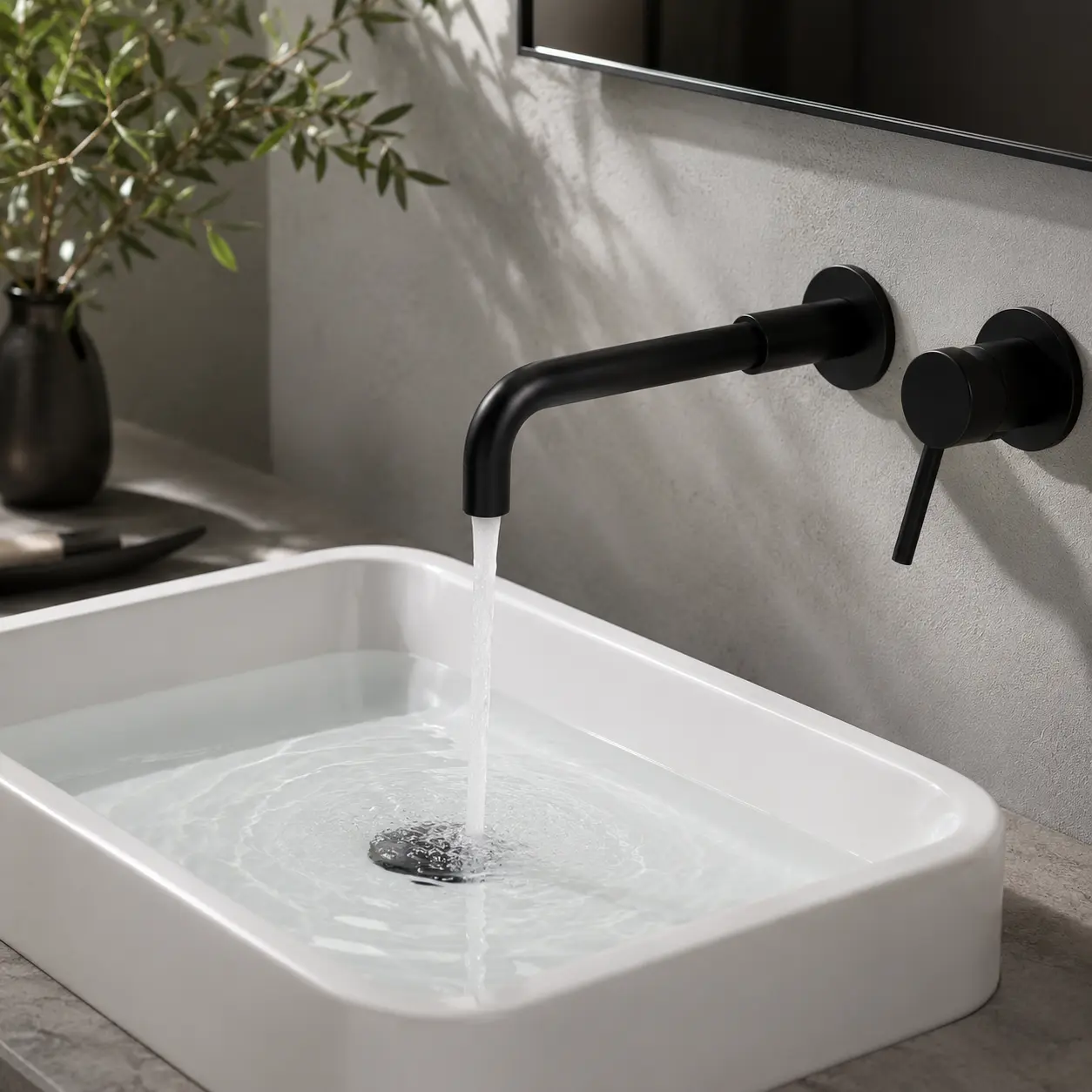
Spout Projection Control
Helps water land properly inside the basin.
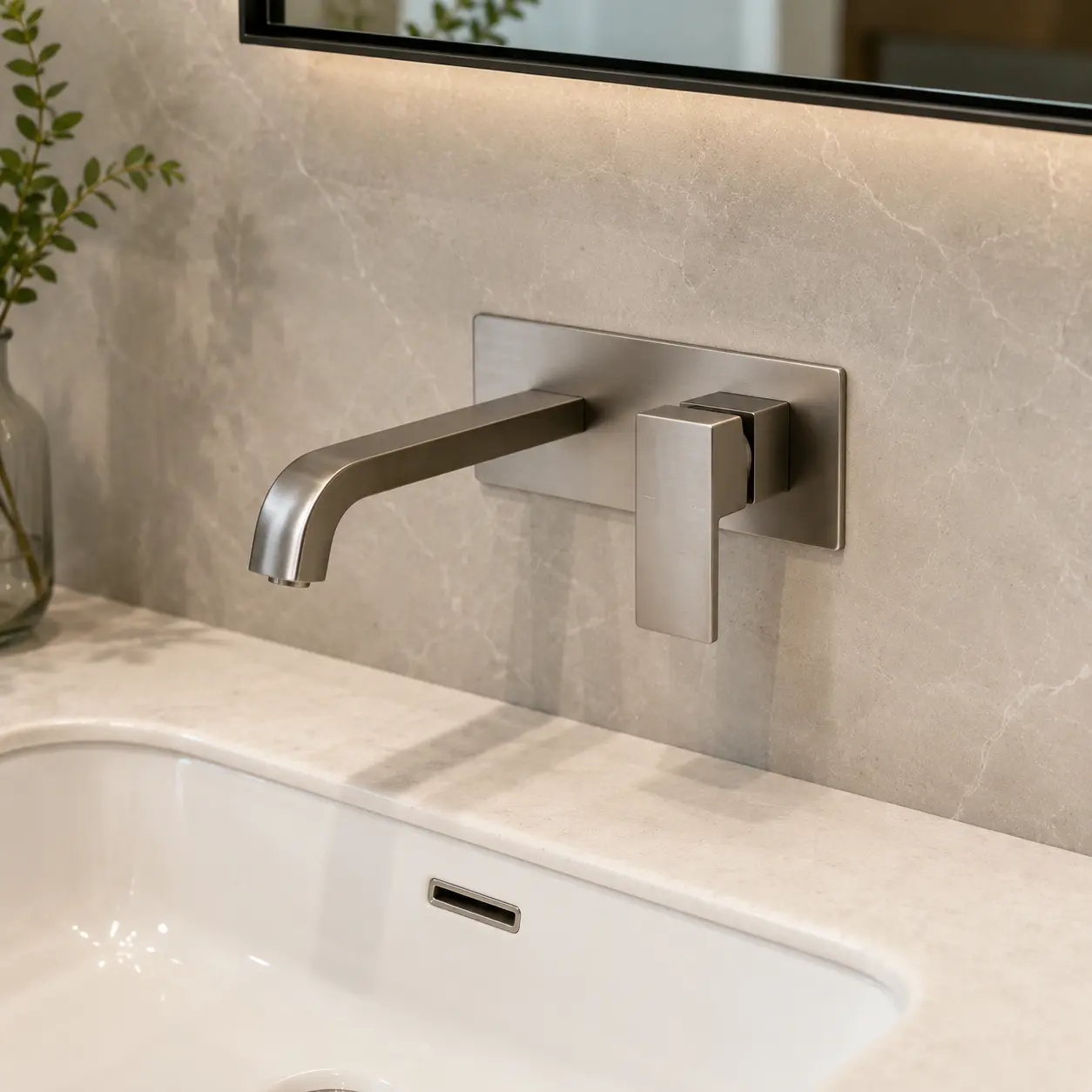
Handle & Trim Alignment
Visible handle, trim plate, and spout should align with the basin, mirror, and finished wall surface.

Clean Countertop Space
Useful for hotel bathrooms, villas, premium apartments, and minimalist projects.
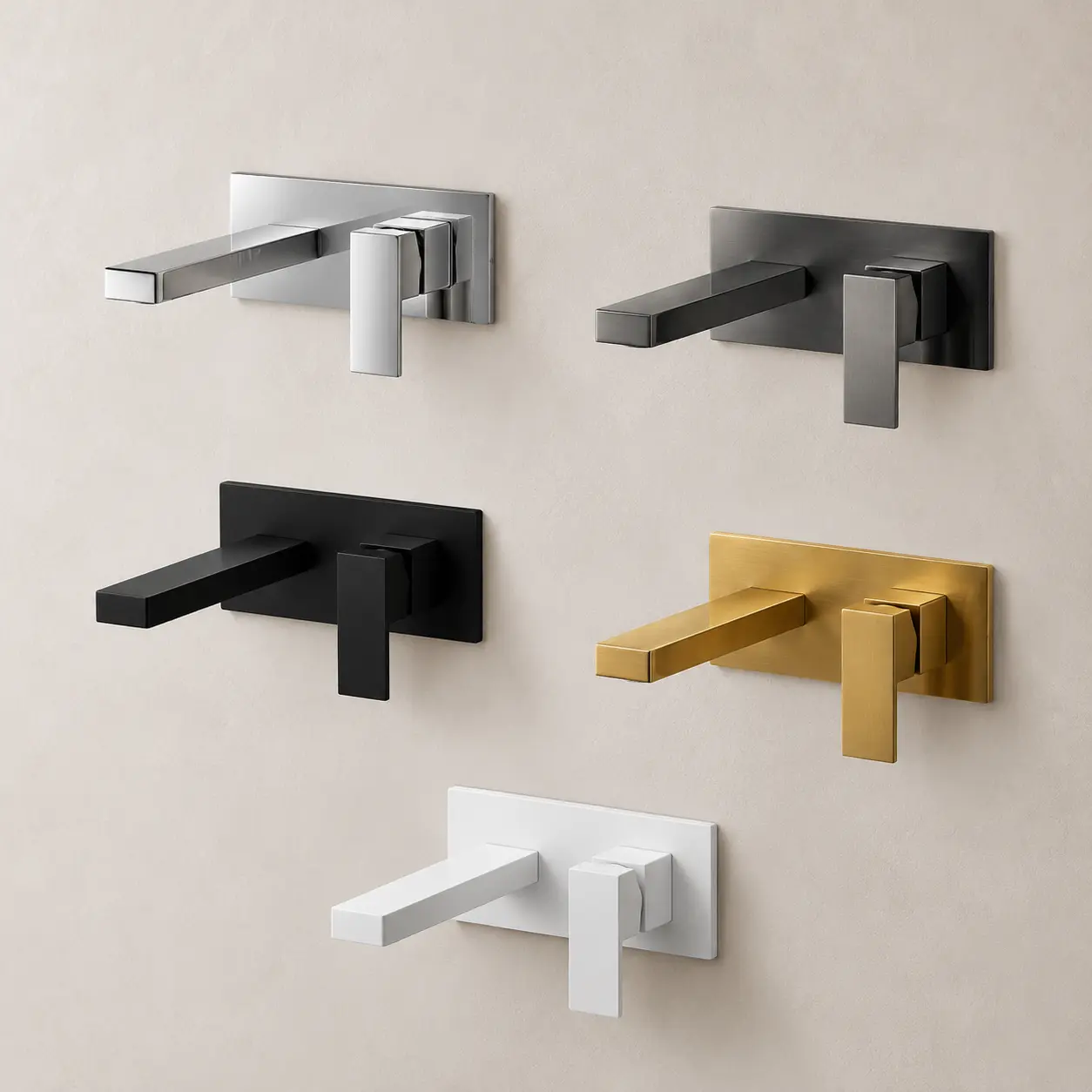
Finish Consistency
Chrome, Gun Grey, Matte Black, Brushed Gold, and Matte White finishes require batch control and surface inspection.
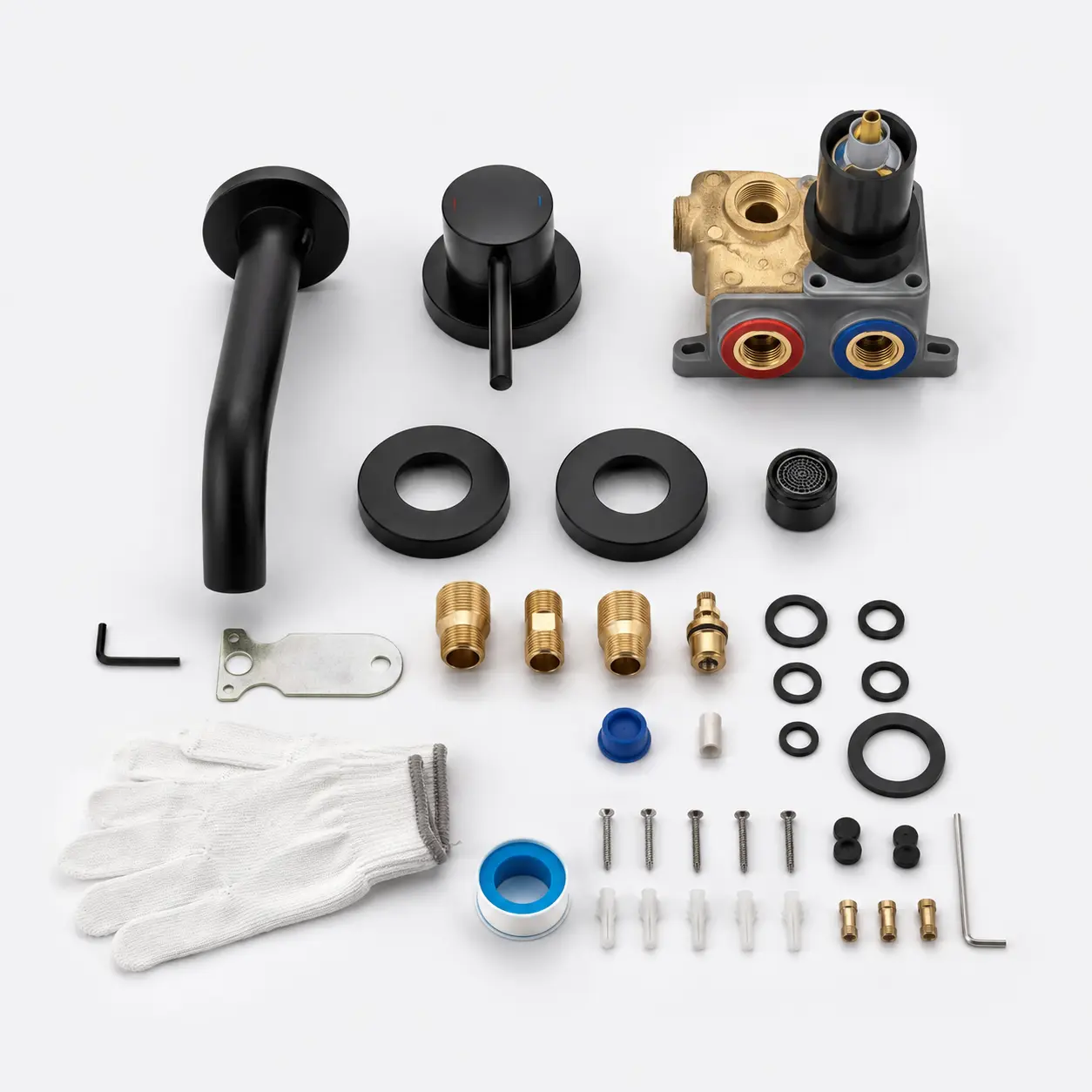
Accessory Completeness
Rough-in parts, fittings, manuals, and installation accessories should be confirmed before project delivery.
Concealed Basin Faucet Pairing & Installation Details
Concealed faucet selection should match basin type, wall condition, spout projection, water landing, and bathroom vanity layout.
Basin Type Compatibility
Commonly used with vanity basins, countertop basins, under-counter basins, and selected vessel sink layouts.
Spout Height & Basin Clearance
The spout height should match basin rim height and user comfort.
Spout Projection & Water Landing
Water should land comfortably inside the basin, not too close to the front edge or back wall.
Concealed Rough-In Position
Confirm concealed body position before wall finishing.
Mirror & Vanity Coordination
Check mirror height, vanity top, backsplash, and wall accessories before installation.
Drain / Waste Compatibility
Confirm whether pop-up drain, waste fittings, or accessories should be matched.
Finish Matching
Match the faucet with basin color, mirror frame, drain, shower system, towel bar, and bathroom accessories.
Common Mistakes When Choosing Concealed Basin Faucets
A practical guide for reducing rough-in errors, water landing issues, missing parts, and project rework.
✕ Planning After Wall Finishing
Concealed faucets require rough-in planning before tiles and finished wall surfaces.
✕ Ignoring Wall Thickness
The concealed body may not fit properly if wall depth is not confirmed.
✕ Ignoring Tile Thickness
Final tile thickness can affect trim alignment and visible part position.
✕ Wrong Spout Projection
If the spout is too short or too long, water may land in the wrong area.
✕ Forgetting Mirror & Vanity Layout
Spout and handle position should not interfere with mirrors, backsplash, shelves, or accessories.
✕ Missing Concealed Parts
Incomplete rough-in parts, fittings, or manuals can delay project installation.
Finish Options for Concealed Basin Faucet Programs
For concealed basin faucets, finish consistency is especially important because the visible spout, handle, and trim sit directly on the wall and become key design details.
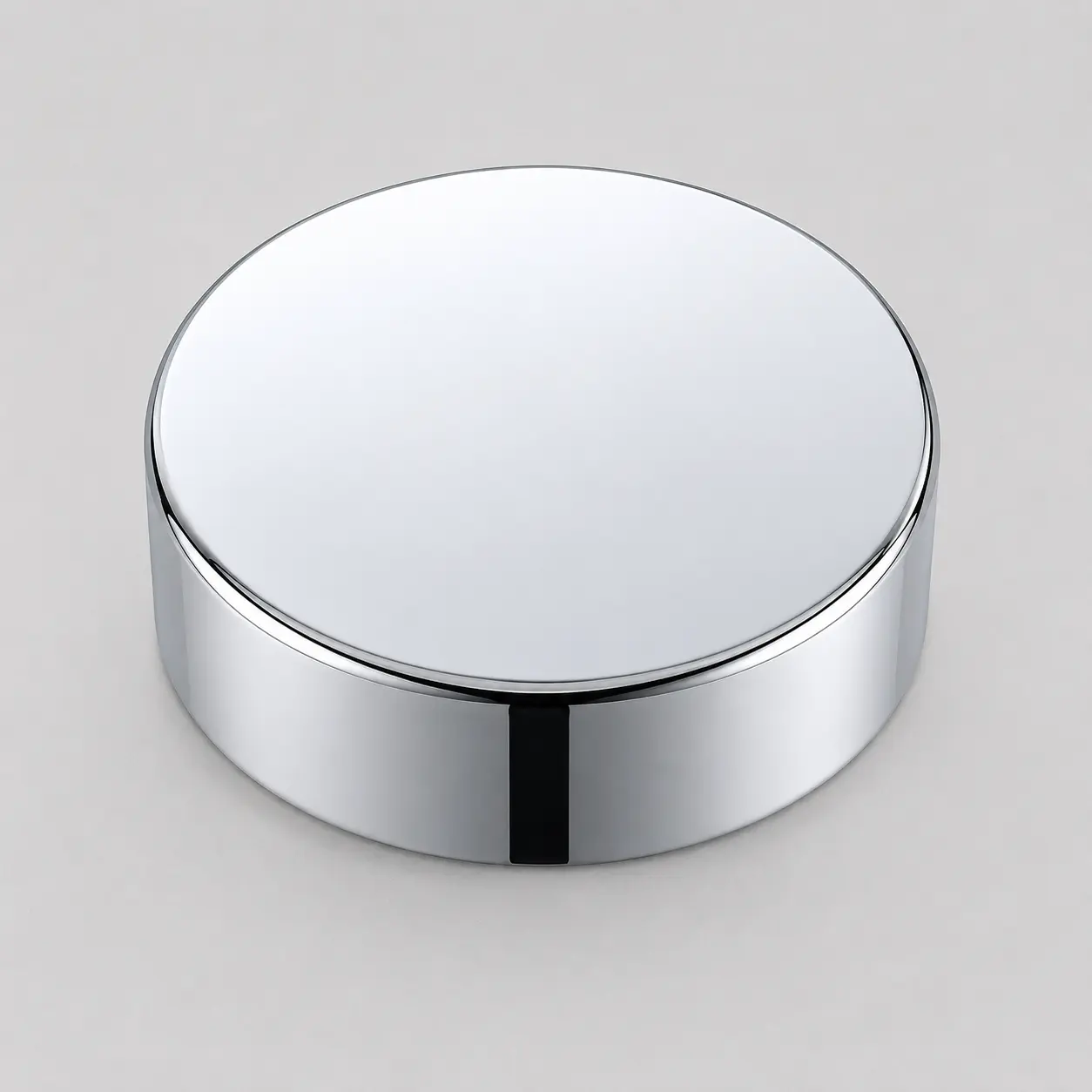
Chrome
Broad-market finish for practical programs.
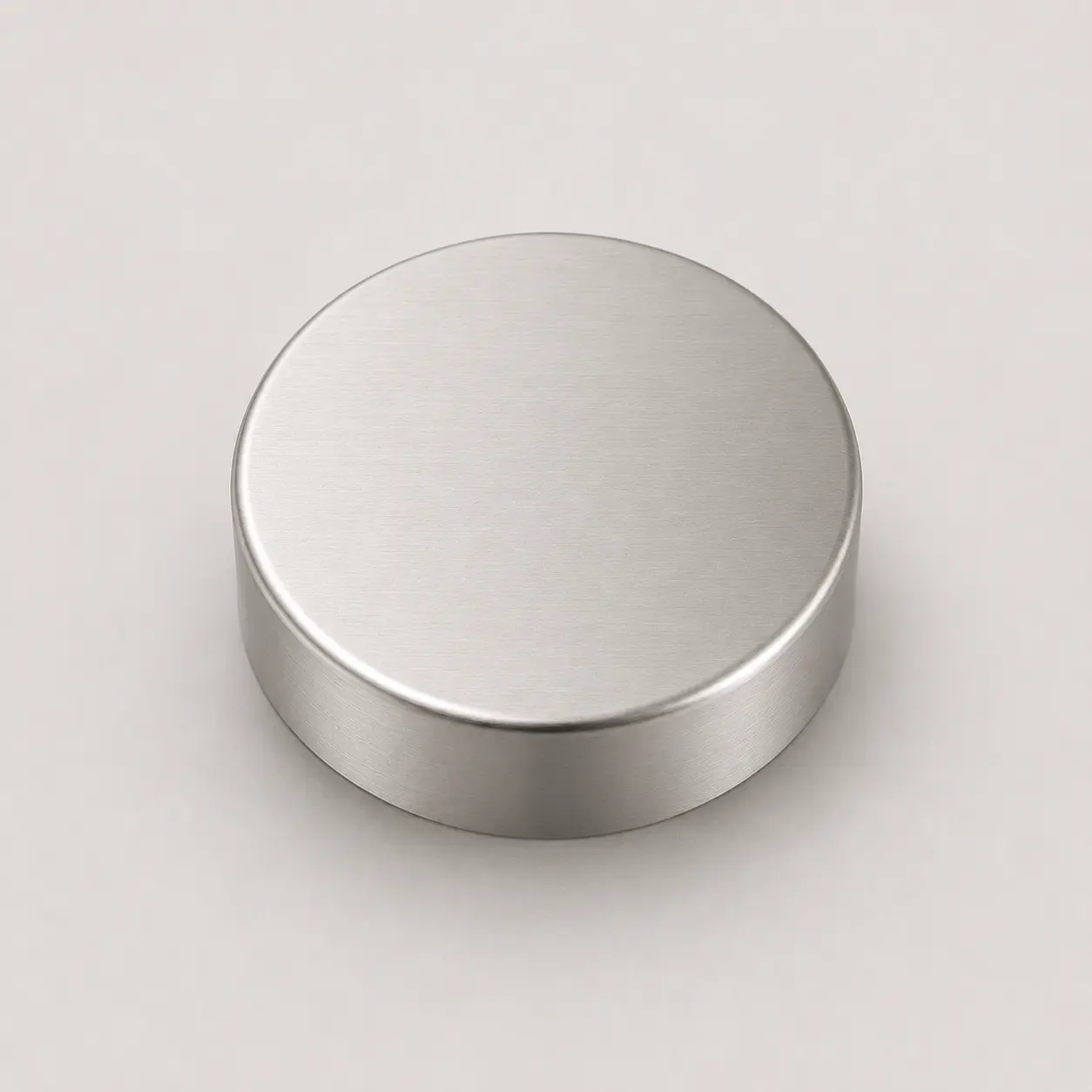
Gun Grey
Modern and technical finish direction.
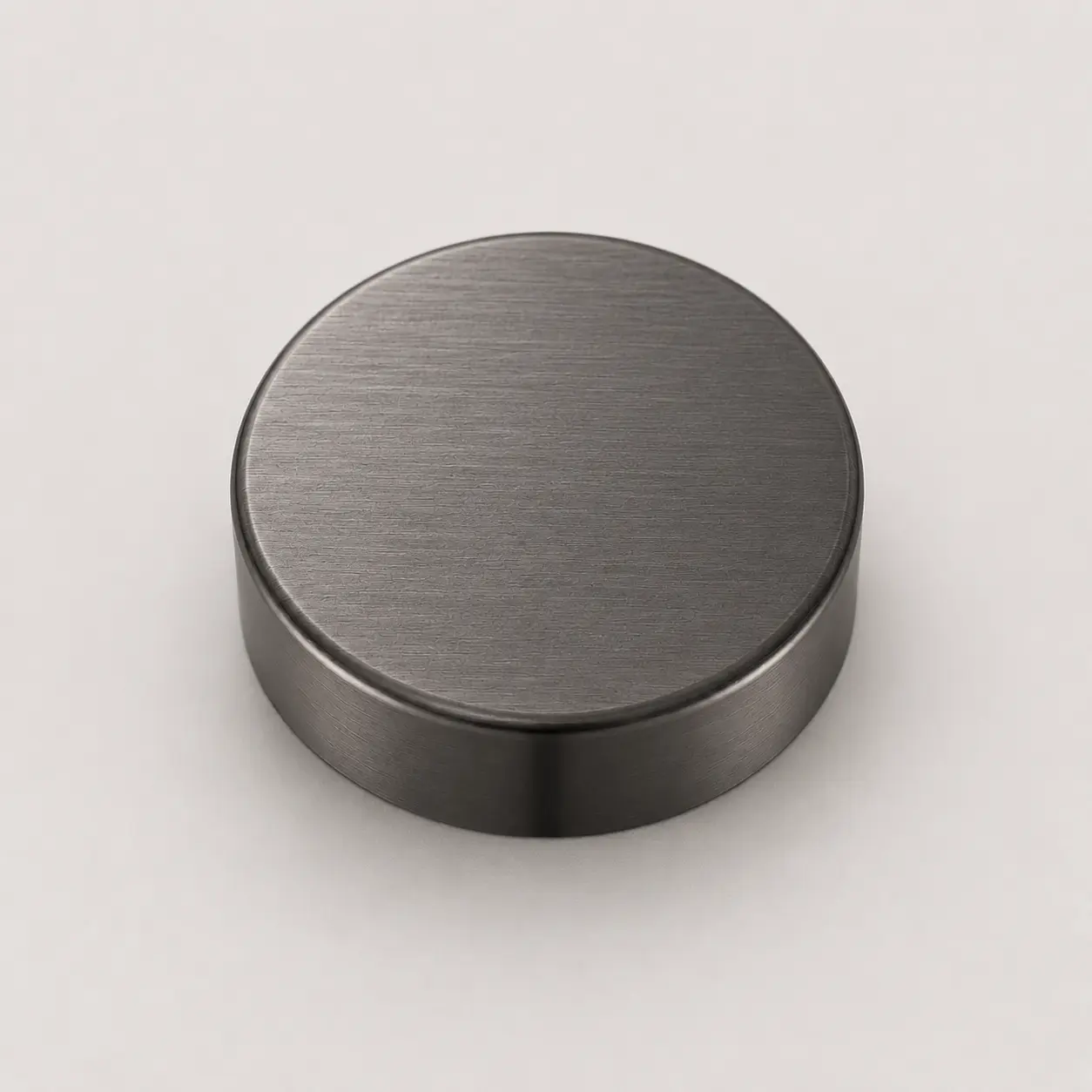
Matte Black
Minimalist and design-led finish.
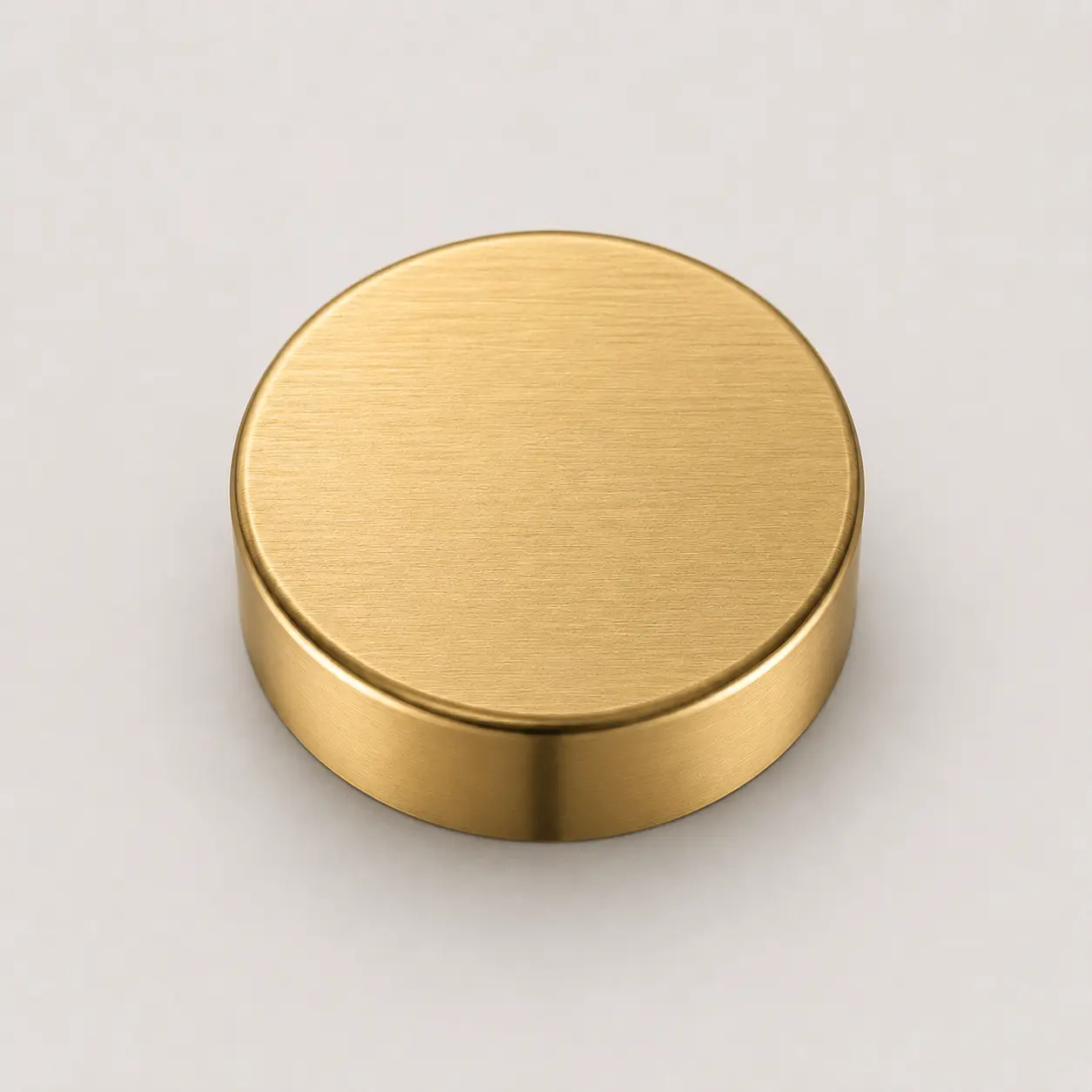
Brushed Gold
Warm and premium finish direction.

Matte White
Soft minimalist finish direction.
Professional note: Visible trim parts need finish consistency and surface protection because they are highly noticeable after installation.
Protective Packing &
Accessory Organization
Concealed basin faucets require both visible surface protection and clear organization of concealed parts.
Concealed basin faucets often include visible spout parts, handle trim, concealed components, fittings, and installation accessories. Clear internal packing and organized outer packaging help protect visible surfaces, prevent missing parts, and reduce installation confusion during project delivery.

Visible Part Protection
Bubble bag and black foam help protect spout, handle, trim plate, and visible finish surfaces.
Concealed Part Organization
Concealed bodies, connectors, fittings, and installation accessories should be packed and labeled clearly.
OEM Packing Support
White box, brown box, or color box options can be discussed for wholesale, project, or private-label programs.
Where Concealed Basin Faucets Are Commonly Used
Concealed basin faucets are especially suitable for bathroom projects planned with in-wall installation and clean vanity layouts.
Minimalist Bathroom Vanities
For clean vanity tops and modern bathroom layouts where visible countertop hardware should be reduced.
Hotel Bathrooms
For project bathrooms where design consistency, rough-in planning, and repeat-order reliability matter.
Villa Bathrooms
For premium bathroom spaces with stronger wall, vanity, and finish design requirements.
Premium Apartment Projects
For modern apartments that need clean counter space and consistent finish matching.
Wall-Mounted Basin Layouts
For bathrooms planned with in-wall faucet structures from the beginning.
Showroom Bathrooms
For display bathrooms where concealed basin faucets create a strong wall-mounted visual impression.
OEM Bathroom Collections
For basin faucet + bath faucet + shower system + accessories + matching finish programs.
Why Buyers Choose Matrix Concealed Basin Faucets
Clean Minimalist Bathroom Direction
Suitable for modern bathroom projects that need clean countertop space and a wall-mounted appearance.
Rough-In Planning Support
Help buyers review wall installation details before project confirmation.
Visible & Concealed Part Coordination
Support consistency between visible trim and concealed components.
OEM / Private-Label Flexibility
Logo, finish, packaging, samples, and collection planning can be discussed.
QC for Project Installation Stability
Concealed faucet programs need attention to visible finish, concealed body, accessory completeness, and repeat-order consistency.
Manufacturing & Quality Control
Concealed basin faucet production should control both visible finish parts and concealed installation components.
Manufacturing Process
Concealed basin faucet production includes faucet body forming, concealed body / valve assembly, spout and handle trim assembly, cartridge installation, outlet testing, surface treatment, and packing protection.
Quality Control Points
Quality control should cover concealed body dimensions, spout projection, handle operation, cartridge operation, outlet performance, leakage, finish inspection, accessory completeness, and packing verification.
Trust Note: For concealed basin faucets, QC should cover both visible parts and concealed installation components because missing or mismatched parts can delay project installation.
What Buyers Should Confirm Before Ordering Concealed Basin Faucets
Concealed Basin Faucets FAQ
What is a concealed basin faucet?
Is a concealed basin faucet the same as a wall-mounted basin faucet?
What parts are visible and what parts are concealed?
When should buyers choose a concealed basin faucet?
Is concealed installation harder than deck-mounted installation?
What should buyers confirm before wall finishing?
How do buyers avoid splash with concealed basin faucets?
What finishes are available for concealed basin faucets?
Can Matrix support OEM concealed basin faucet programs?
What should buyers confirm before ordering concealed basin faucets?
Need Concealed Basin Faucets for Your Bathroom Program?
Share your target market, basin type, wall thickness, rough-in depth, spout projection requirement, finish direction, packaging needs, and OEM requirements. Matrix can help you review the right concealed basin faucet direction for your hotel, villa, apartment, wholesale, or private-label bathroom program.