
16 Gauge Stainless
Steel Sinks
Thicker stainless steel kitchen sinks for premium collections, workstation programs, OEM supply, and project kitchens.
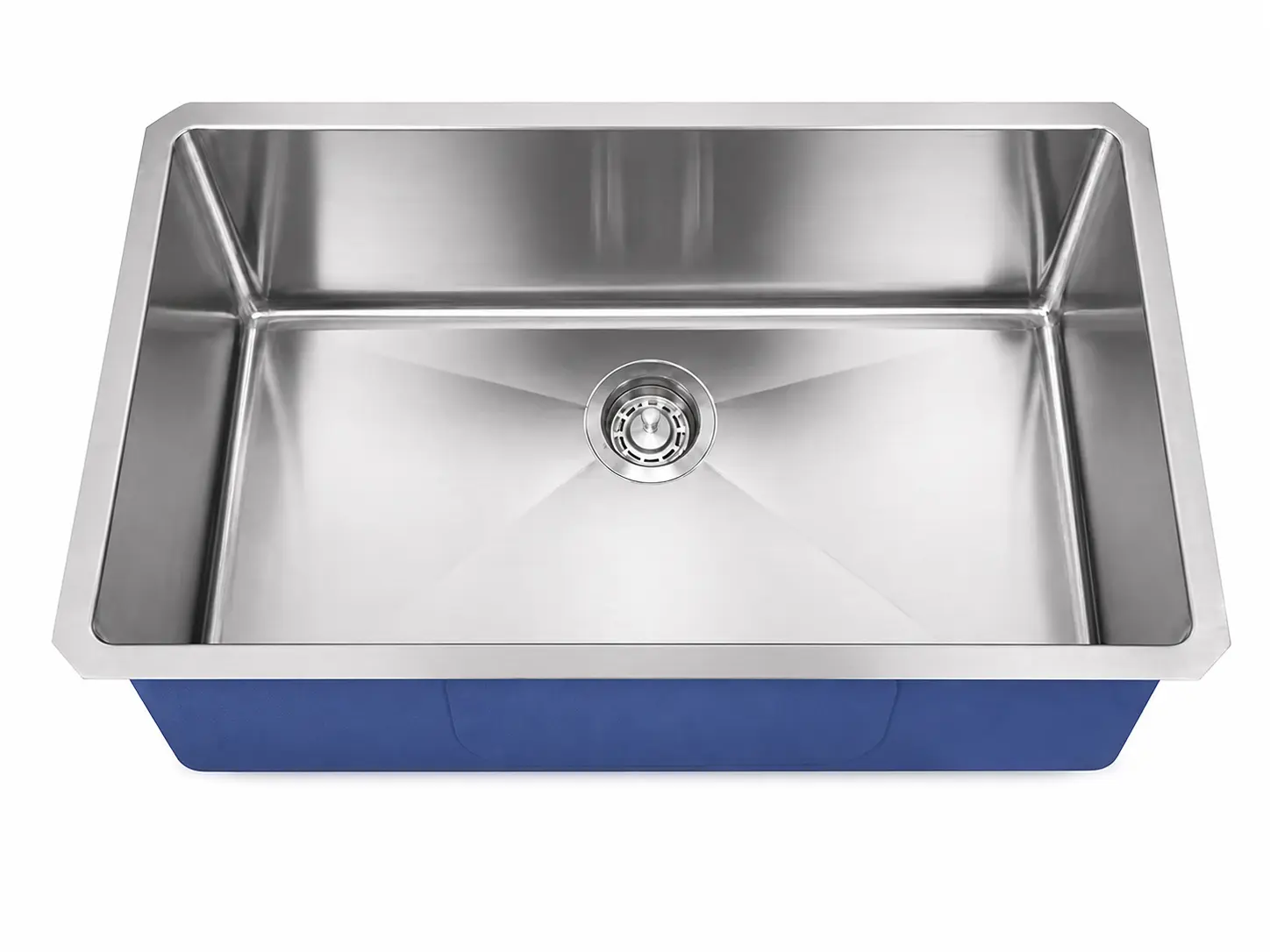

16 Gauge Stainless Steel Sinks Supplier & Manufacturer
Matrix supplies and manufactures 16 gauge stainless steel sinks for kitchen brands, importers, wholesalers, premium retail programs, project buyers, and OEM customers. A 16 gauge sink is not one fixed sink type. It can be single bowl or double bowl, undermount or top mount, workstation or apron front, depending on the product program.
For B2B buyers, 16 gauge should be evaluated as part of the full sink specification. Material thickness, thickness tolerance, sink weight, cabinet support, installation method, bowl depth, drain position, sound pad coverage, surface finish, packaging, and repeat-order consistency all affect the final product experience. In handmade sink programs, 16 gauge is often used for premium positioning and stronger structure. In pressed / drawn programs, buyers should confirm both the original sheet thickness and the formed thickness after drawing.
16 Gauge Handmade
Premium structures, deeper bowls, and custom specifications.
Thickness Confirmation
Rigorous checks on sheet thickness and tolerance.
Workstation Support
Stronger material for accessory ledges and heavy use.
Export Packing
Reinforced packaging for heavier premium sinks.
What Is a 16 Gauge Stainless Steel Sink?
A 16 gauge stainless steel sink is made from thicker stainless steel material than many lighter-gauge sink options. In common sink sourcing language, 16 gauge is often understood as approximately 1.5mm sheet thickness, while 18 gauge is often around 1.2mm.
In kitchen sink sourcing, 16 gauge is often used for stronger product positioning, a more substantial feel, premium handmade sinks, workstation sink sets, deep bowls, and apron front designs.
For B2B buyers, 16 gauge should not be selected only because "thicker sounds better." It should match the product's target channel, expected price tier, installation method, cabinet support, packing plan, and market expectation.
Note: 16 gauge can support a stronger product story, but buyers should also review actual sheet thickness, tolerance, weight, installation support, cost, packing, and market positioning before confirming the specification.
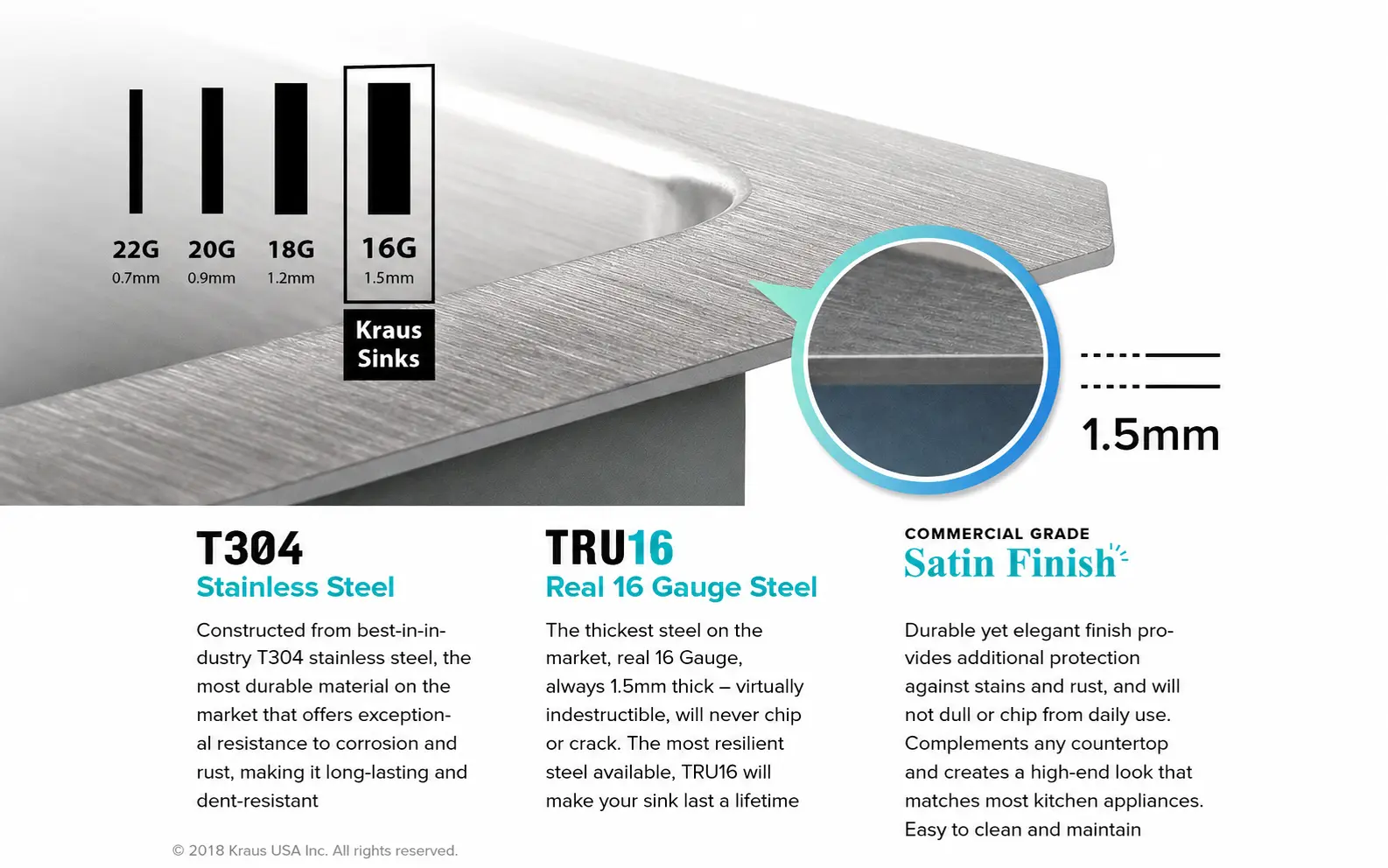
When 16 Gauge Stainless Steel Sinks Make Sense
16 gauge stainless steel sinks are most useful when the material specification supports the product's market position. For some programs, 16 gauge can strengthen the product story. For others, it may create unnecessary cost, weight, or packing pressure.
Premium Retail Collections
Use 16 gauge when the sink line needs a stronger material story and a more substantial feel for higher-tier retail positioning.
Workstation Sink Programs
16 gauge works well with workstation sinks when the sink includes accessory ledges, larger bowls, grids, cutting boards, colanders, and premium packaging.
Apron Front / Farmhouse Sinks
Apron front sinks often benefit from a more substantial structure because the front face is part of the visible product design.
Deep Bowl & Large Programs
For deeper bowls or larger sink sizes, 16 gauge can support a stronger product position when matched with proper cabinet and packing review.
Private Label / OEM Lines
16 gauge can give brands a clear specification point for premium OEM or private-label collections.
Heavy-Use Kitchen Programs
For selected project or builder programs, 16 gauge may help support a stronger specification when users expect a more solid sink.
When 16 Gauge May Be Over-Specified
A 16 gauge sink is not always the best choice. If the buyer's market is highly price-sensitive, installation support is limited, or the product is designed for entry-level replacement SKUs, a lighter-gauge sink may be more practical.
Entry-Level Retail SKUs
For basic retail replacement lines, 16 gauge may add cost without improving the buyer's ability to sell the product.
Apartment & Cost-Controlled Projects
For cost-sensitive apartment or rental housing programs, 18 gauge or selected pressed / drawn models may fit the budget and project requirements better.
Lightweight Installation Needs
If the channel needs easier handling, lighter packing, and simpler installation, 16 gauge may not be necessary.
Pressed / Drawn Without Formed Review
If the buyer only confirms original sheet gauge but ignores formed thickness after drawing, the specification may create misunderstanding.
16 Gauge vs 18 Gauge Stainless Steel Sink
Both 16 gauge and 18 gauge stainless steel sinks can be suitable depending on the market, product position, and order plan. The choice should not be based only on thickness. Buyers should consider target price tier, sink size, bowl depth, installation type, channel expectations, shipping requirements, and after-sales positioning.
| Buyer Need | 16 Gauge Stainless Steel Sink | 18 Gauge Stainless Steel Sink |
|---|---|---|
| Common sourcing thickness | Around 1.5mm | Around 1.2mm |
| Material feel | More substantial | Lighter |
| Product positioning | Premium / higher tier | Standard / mid-range |
| Cost structure | Higher | More cost-controlled |
| Sink weight | Heavier | Lighter |
| Workstation use | Strong fit | Possible depending on structure |
| Deep bowl programs | Strong fit | Depends on design |
| Shipping and packing | Needs more protection review | Usually easier |
| Best for | Handmade, workstation, apron front, premium OEM programs | Standard retail, wholesale, apartment, cost-controlled programs |
16 gauge is often the better choice when the buyer needs a premium sink line, workstation structure, deeper bowl, or stronger product story. 18 gauge can still be suitable when cost, lighter weight, and easier volume supply are more important. Learn more about 16 Gauge vs 18 Gauge Sink.
16 Gauge in Handmade and Pressed / Drawn Sink Programs
The way 16 gauge works depends on the manufacturing process. Buyers should avoid assuming that thickness behaves the same in handmade and pressed / drawn sinks.
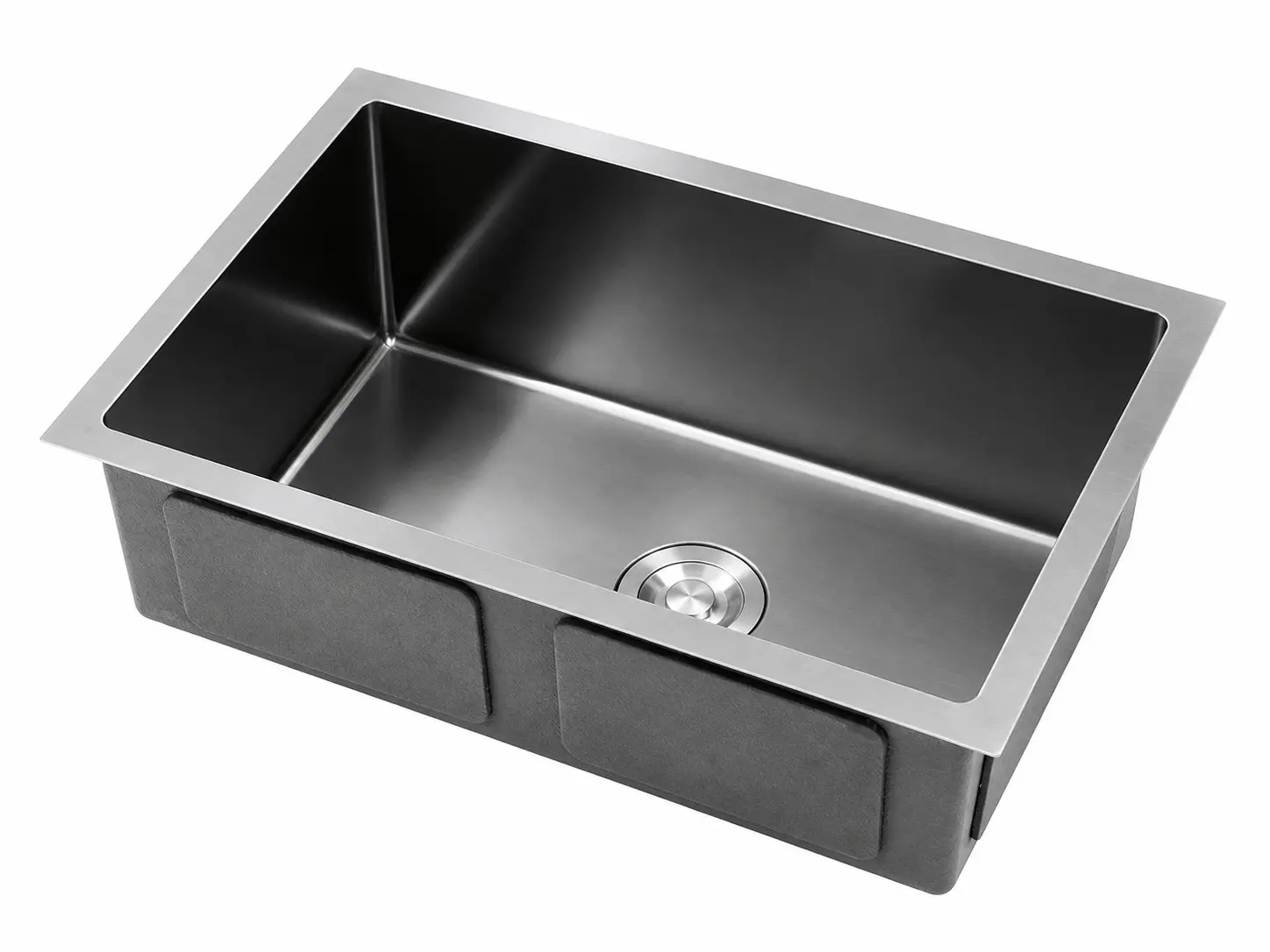
16 Gauge Handmade Kitchen Sinks
16 gauge is commonly used in handmade kitchen sink programs. Handmade fabrication allows more flexibility for deeper bowls, workstation ledges, apron front structures, custom sizes, sharper corners, and premium product positioning.
Best For:
- • Premium collections
- • Workstation sinks
- • Undermount sinks
- • Apron front sinks
- • Deep bowl programs
- • Private-label OEM
Key Points to Confirm:
- • Sheet thickness spec
- • Thickness tolerance
- • Welding & polishing
- • Rim flatness
- • Accessory ledge accuracy
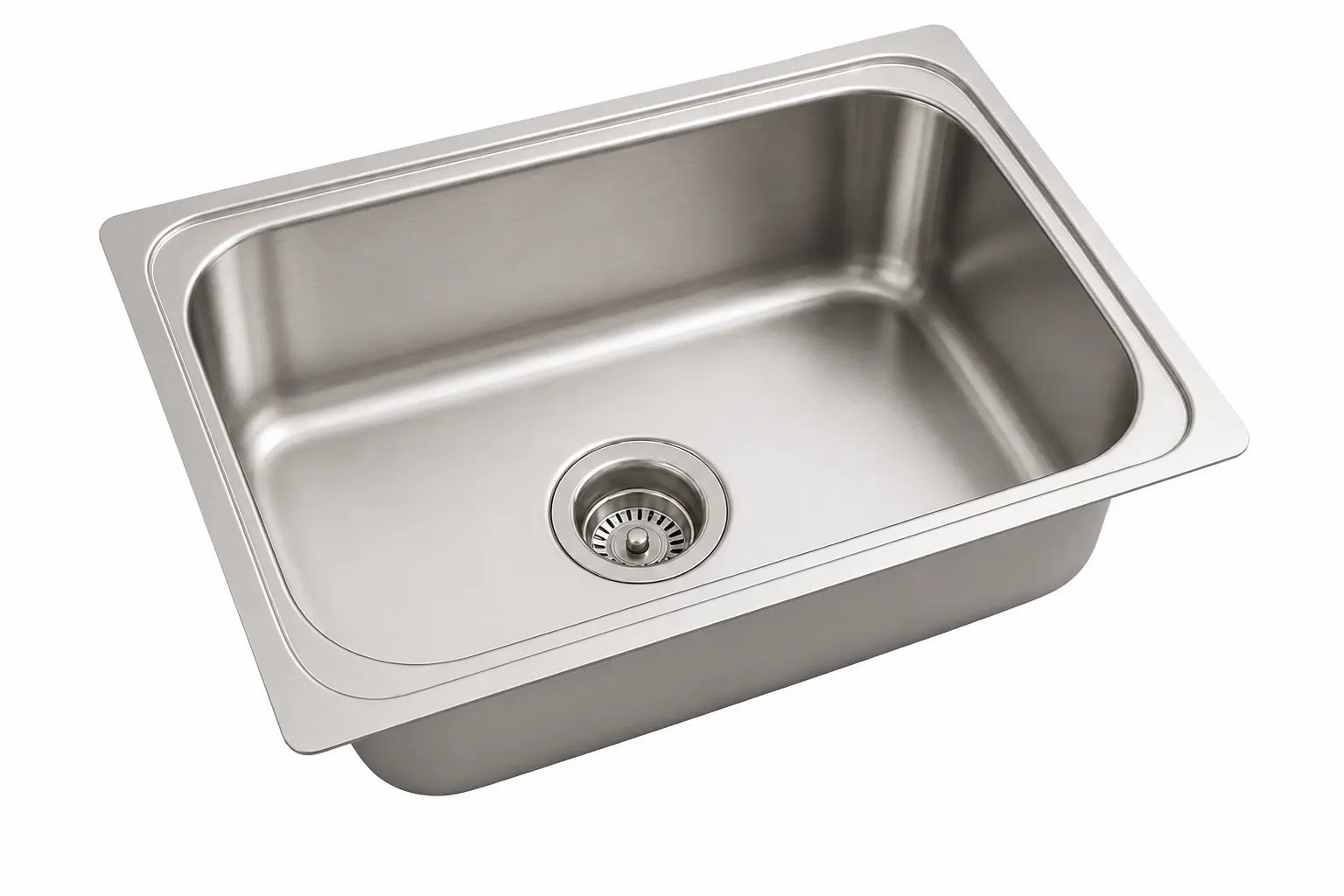
16 Gauge in Pressed / Drawn Sinks
Pressed / drawn sinks are formed through molds, and the final formed thickness can vary depending on drawing depth, mold shape, and corner stretching. If a buyer requests a 16 gauge pressed / drawn sink, the specification should be reviewed carefully instead of assuming all areas remain the same thickness after forming.
Best For:
- • Selected mold programs
- • Standardized volume
- • Retail/wholesale SKUs
- • Cost-controlled programs
Key Points to Confirm:
- • Original sheet thickness
- • Formed thickness review
- • Drawing depth
- • Corner & wall thickness
- • Mold availability
Professional Note: For pressed / drawn sinks, original sheet thickness and final formed thickness are not always the same discussion. Confirm which standard is being quoted.
16 Gauge Configuration Matrix
These configurations are modular by design. A 16 gauge structure can integrate multiple design languages—such as combining a handmade undermount framework with workstation ledges, or an apron front with a deep single bowl format.
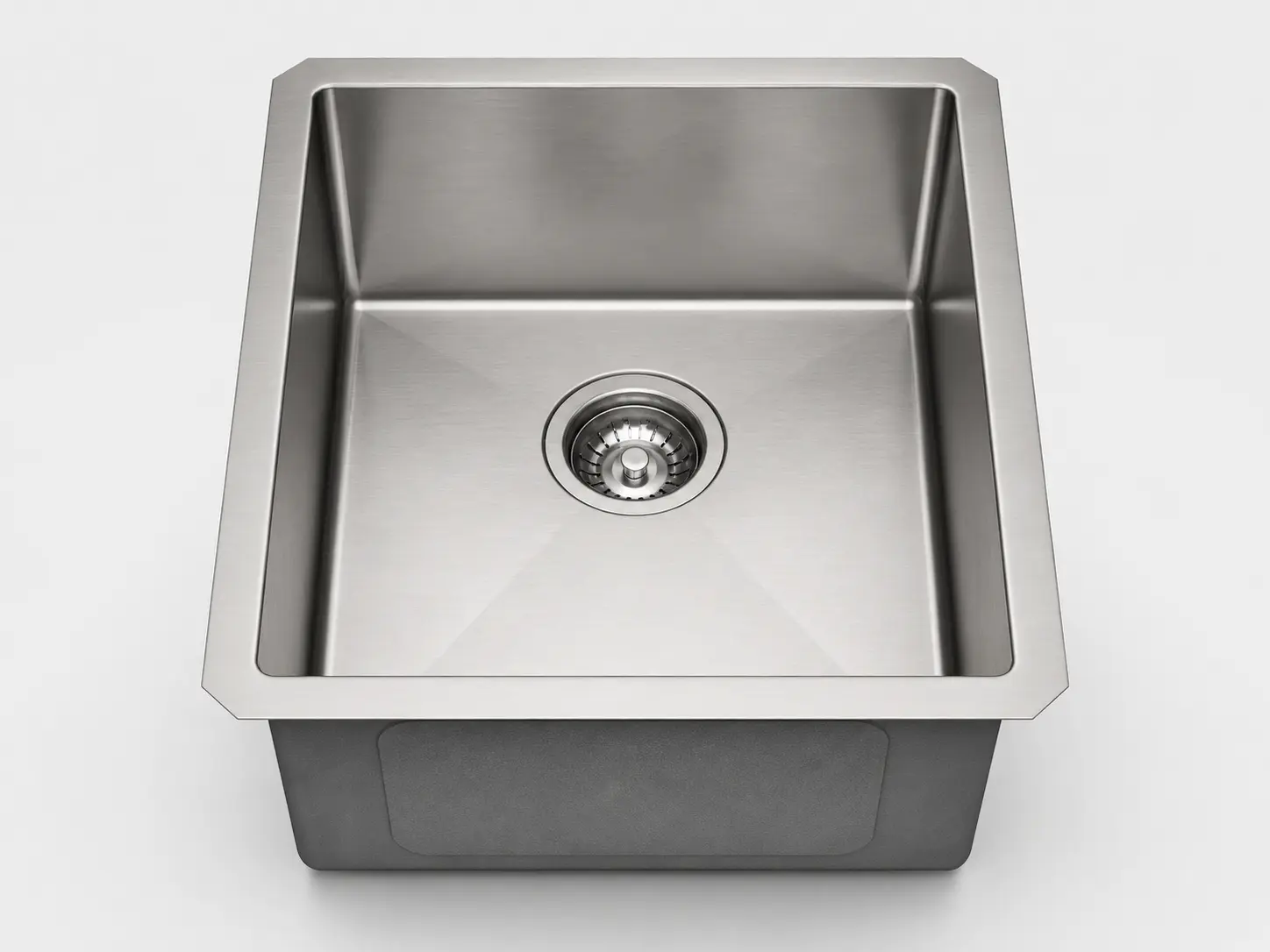
Single Bowl Architecture
Uninterrupted basin space engineered with substantial stainless steel structure. Ideal for workstation integration and high-capacity deep bowl programs.
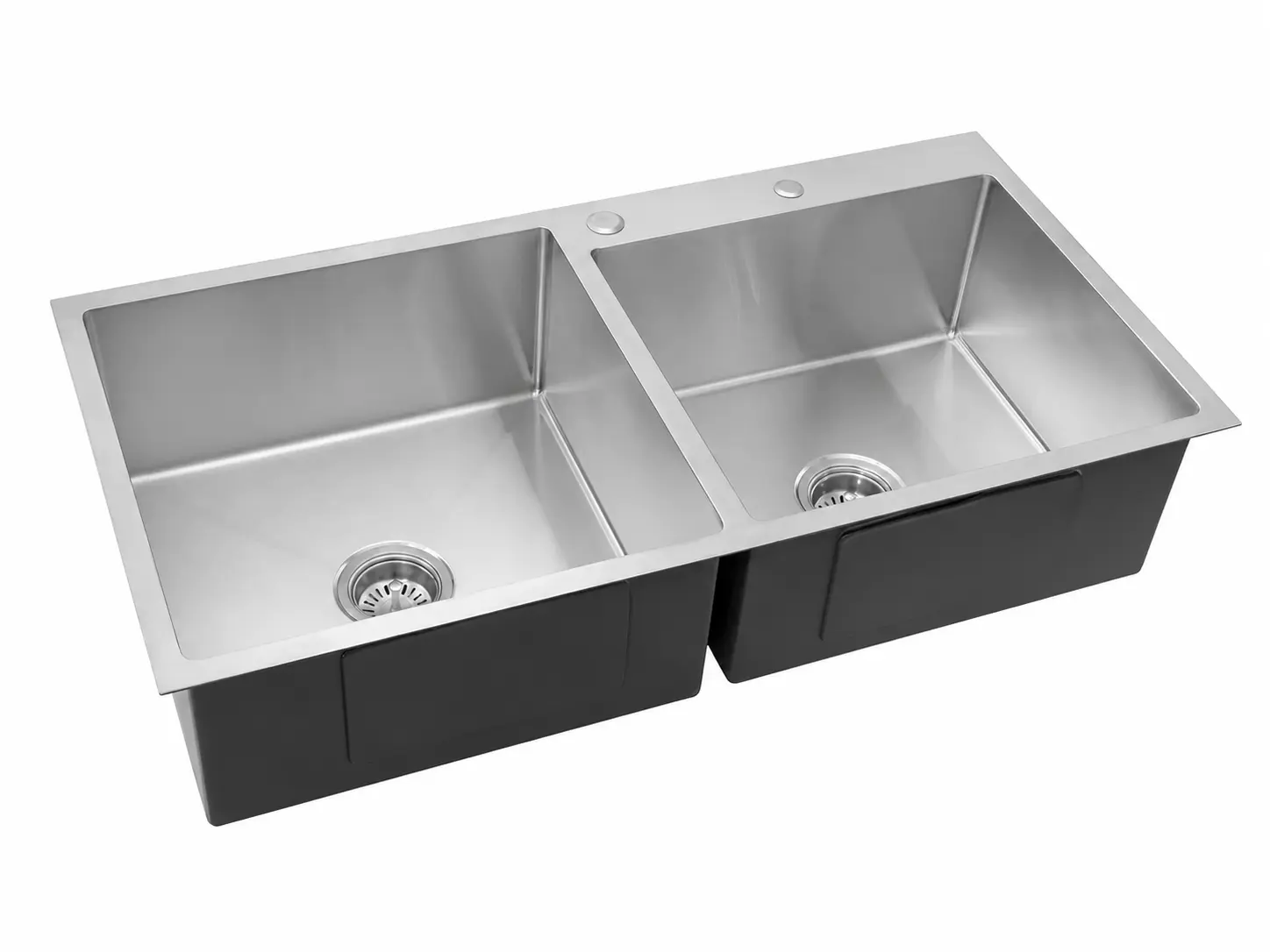
Double Bowl Division
Optimized for separated workflow. Engineered with structural integrity, customizable bowl ratios, and precise divider height specifications.
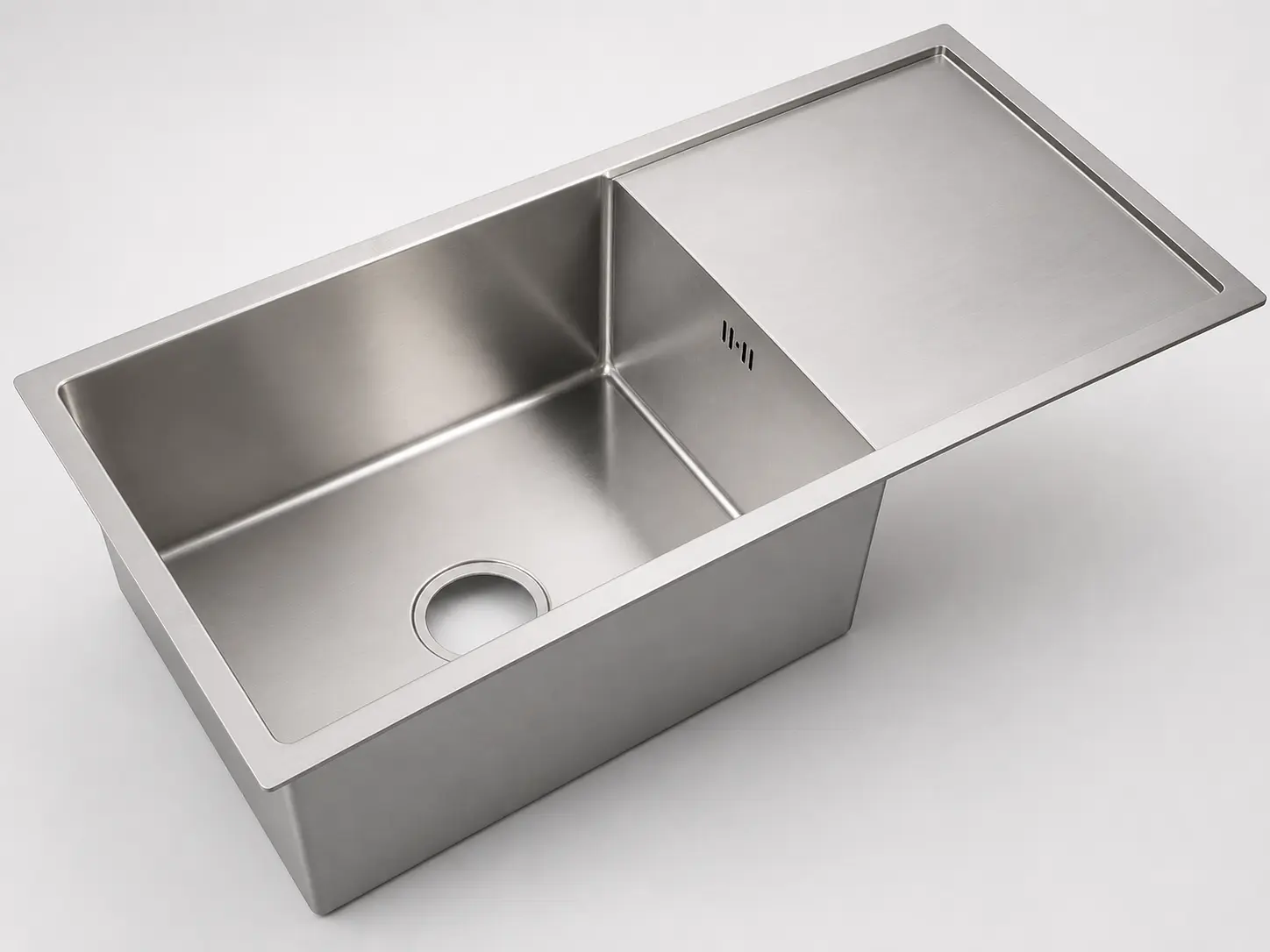
Undermount Integration
Seamless countertop transitions. Calibrated for absolute rim flatness and robust mounting support in premium solid surface programs.
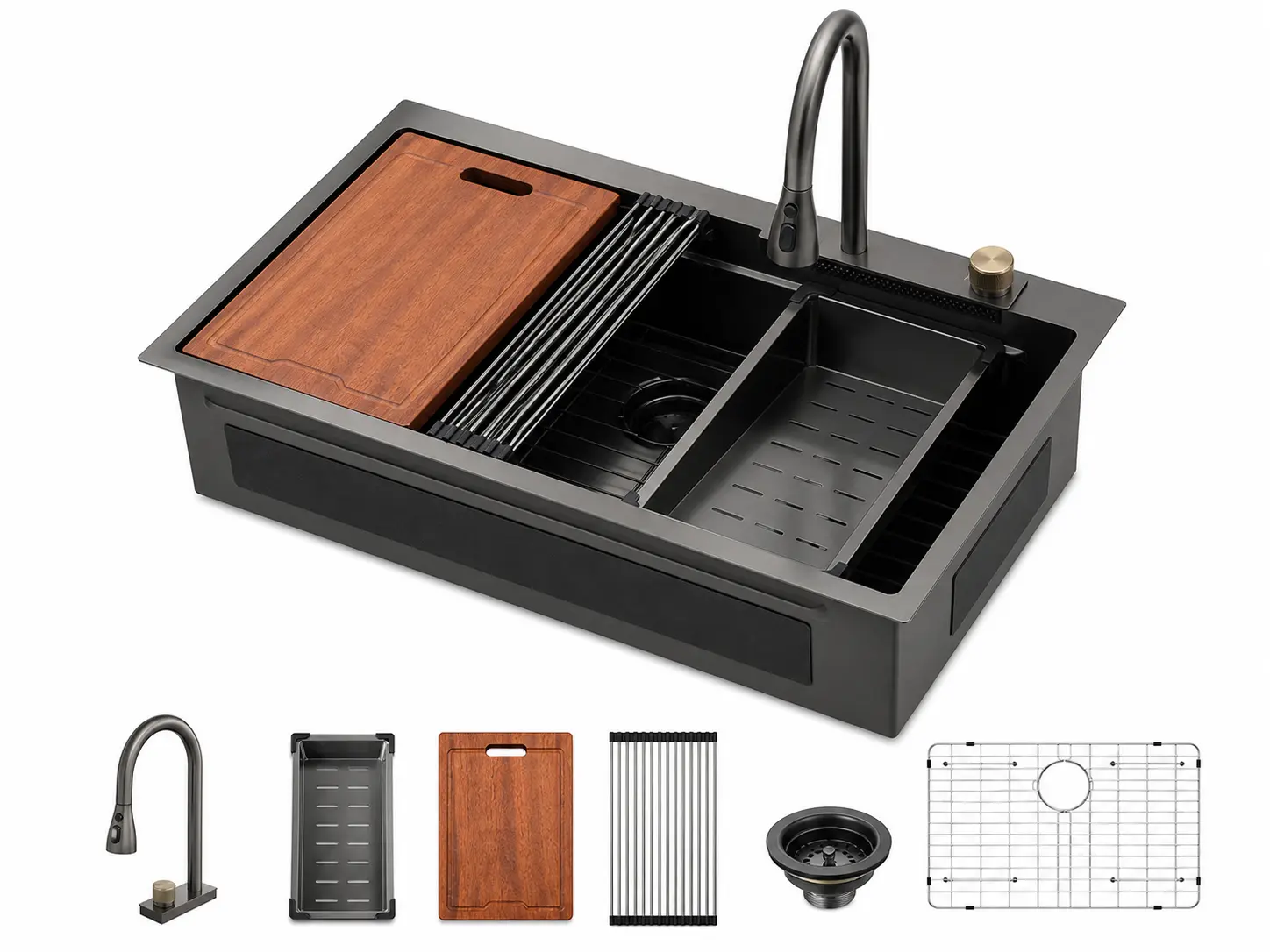
Workstation Systems
Advanced functionality with integrated accessory ledges. Engineered with extreme precision for smooth sliding of cutting boards and grids.
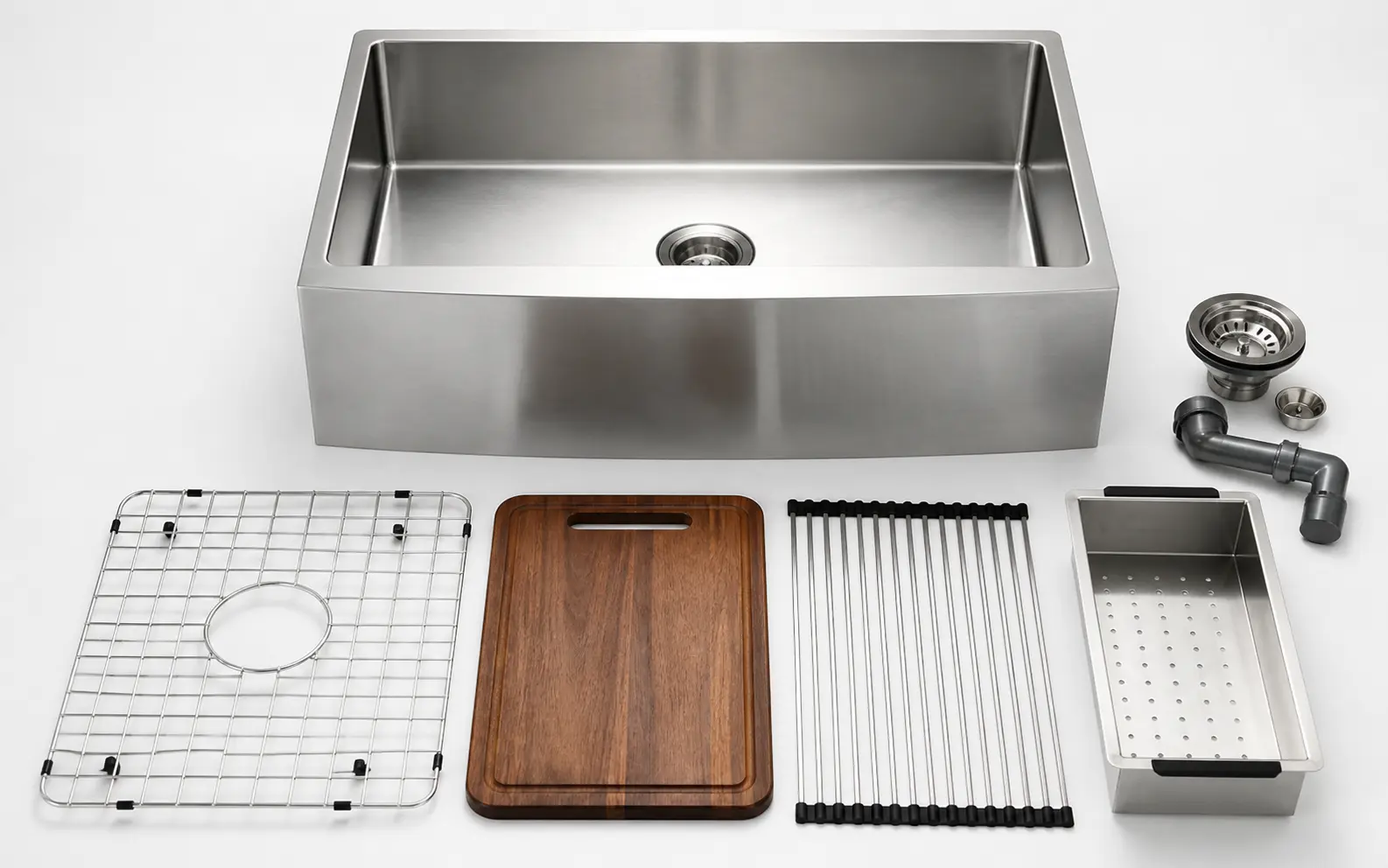
Apron Front Series
Statement front-facing architecture. Constructed with reinforced 16G steel to support the exposed apron and ensure cabinet structural stability.

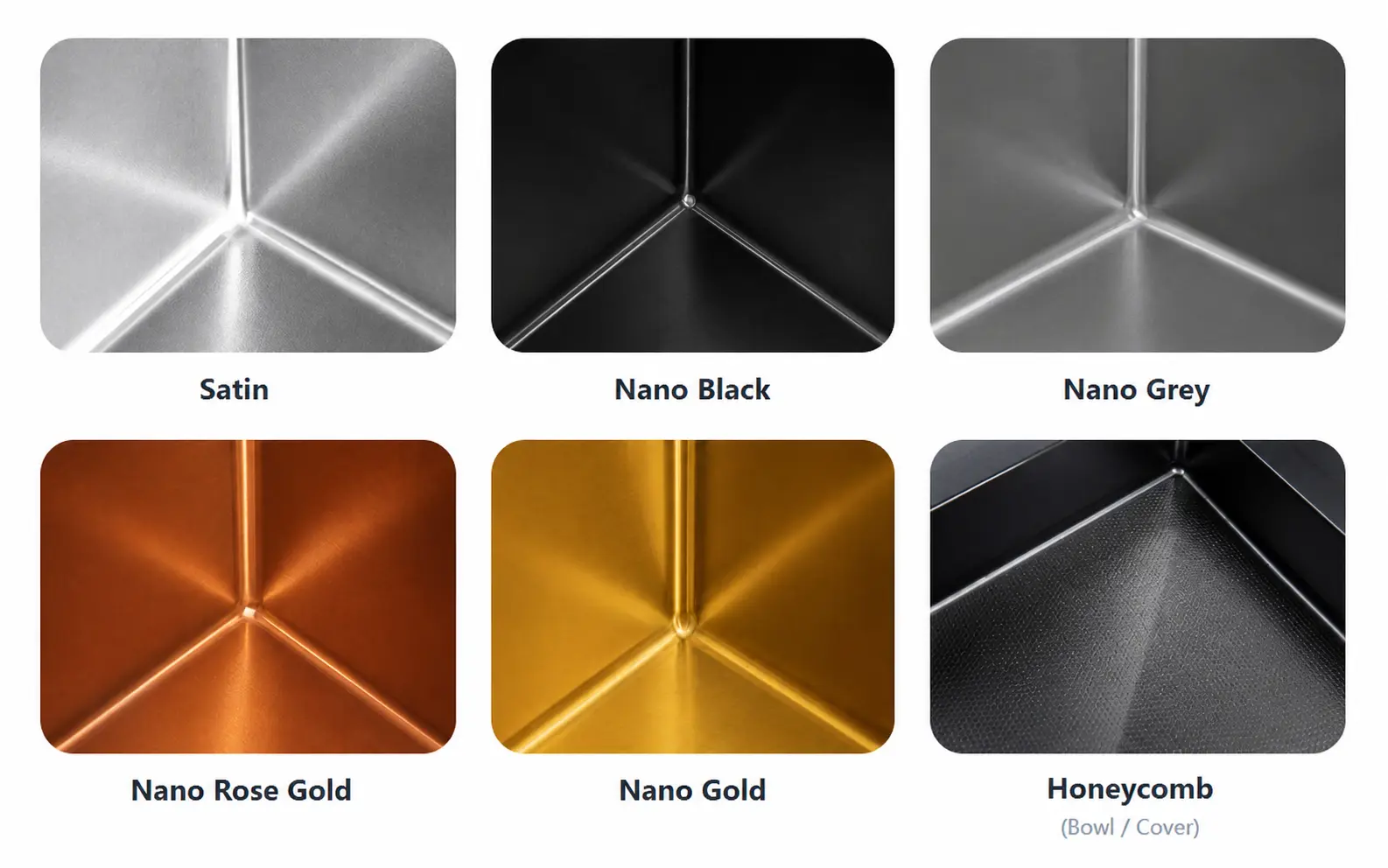
Nano PVD Black
Advanced surface treatment technology. Delivers superior scratch resistance, lotus-effect drainage, and aesthetic differentiation for high-end collections.
16 Gauge Stainless Steel Sink Installation Videos
Watch two practical installation videos for top-mount and undermount stainless steel sinks. These videos help buyers, fabricators, and installers review countertop opening, sink support, sealing area, drain position, and final fit before samples or project installation.
For B2B buyers, a 16 gauge stainless steel sink should be reviewed not only by thickness and finish, but also by installation fit. Because 16 gauge sinks are thicker and heavier, countertop preparation, cabinet clearance, rim support, under-counter fixing, sealant application, and packing protection all affect the final project experience.
Top-Mount Stainless Steel Sink Installation
This video shows a practical top-mount kitchen sink installation method, helping buyers and installers review countertop opening, drop-in placement, rim support, sealant area, faucet hole position, drain connection, and final installation checks.
Buyer can check:
- Countertop opening and sink placement
- Rim support and drop-in edge fit
- Sealant area around the sink rim
- Faucet hole and drain connection
- Cabinet clearance under the sink
- Final levelness and visible edge check
16 Gauge Note: For 16 gauge stainless steel sinks, buyers should pay extra attention to sink weight, rim stability, countertop support, cabinet clearance, and packing protection before sample approval or project installation.
Top-mount stainless steel sink installation video for Matrix 16 gauge kitchen sink programs.
Undermount Stainless Steel Sink Installation
This video shows a practical undermount kitchen sink installation method, helping buyers and installers review countertop cut-out, sink positioning, under-counter support, clip or bracket fixing, sealant application, drain connection, and final fit.
Buyer can check:
- Countertop cut-out and sink alignment
- Under-counter support and fixing method
- Clip, bracket, or adhesive position
- Sealant application around the sink edge
- Drain position and plumbing clearance
- Final fit between sink, countertop, and cabinet
16 Gauge Note: For 16 gauge undermount stainless steel sinks, the sink weight, countertop material, fixing method, edge reveal, and under-counter support should be confirmed before project installation.
Undermount stainless steel sink installation video for Matrix 16 gauge stainless steel sink programs.
What Buyers Should Confirm Before Installing 16 Gauge Sinks
Planning a 16 Gauge Sink Program?
Matrix can help review sink size, 16 gauge material requirement, top-mount or undermount installation method, countertop opening, cabinet clearance, rim design, drain position, accessory fit, packing method, and sample approval details before bulk orders or project supply.
Weight, Cabinet Support, and Installation Review
A 16 gauge stainless steel sink may be heavier than lighter-gauge alternatives. Buyers should confirm cabinet support, installation method, mounting hardware, countertop material, and packing method before bulk order approval.
Pre-Order Checklist:
- Sink weight
- Cabinet width & support
- Countertop material
- Mounting method
- Undermount support
- Top mount rim support
- Apron front cabinet spec
- Workstation accessory load
- Packing reinforcement
Professional Note: A heavier sink can support stronger product positioning, but it also needs a practical installation plan. This is especially important for undermount, apron front, large bowl, deep bowl, and workstation sink programs.
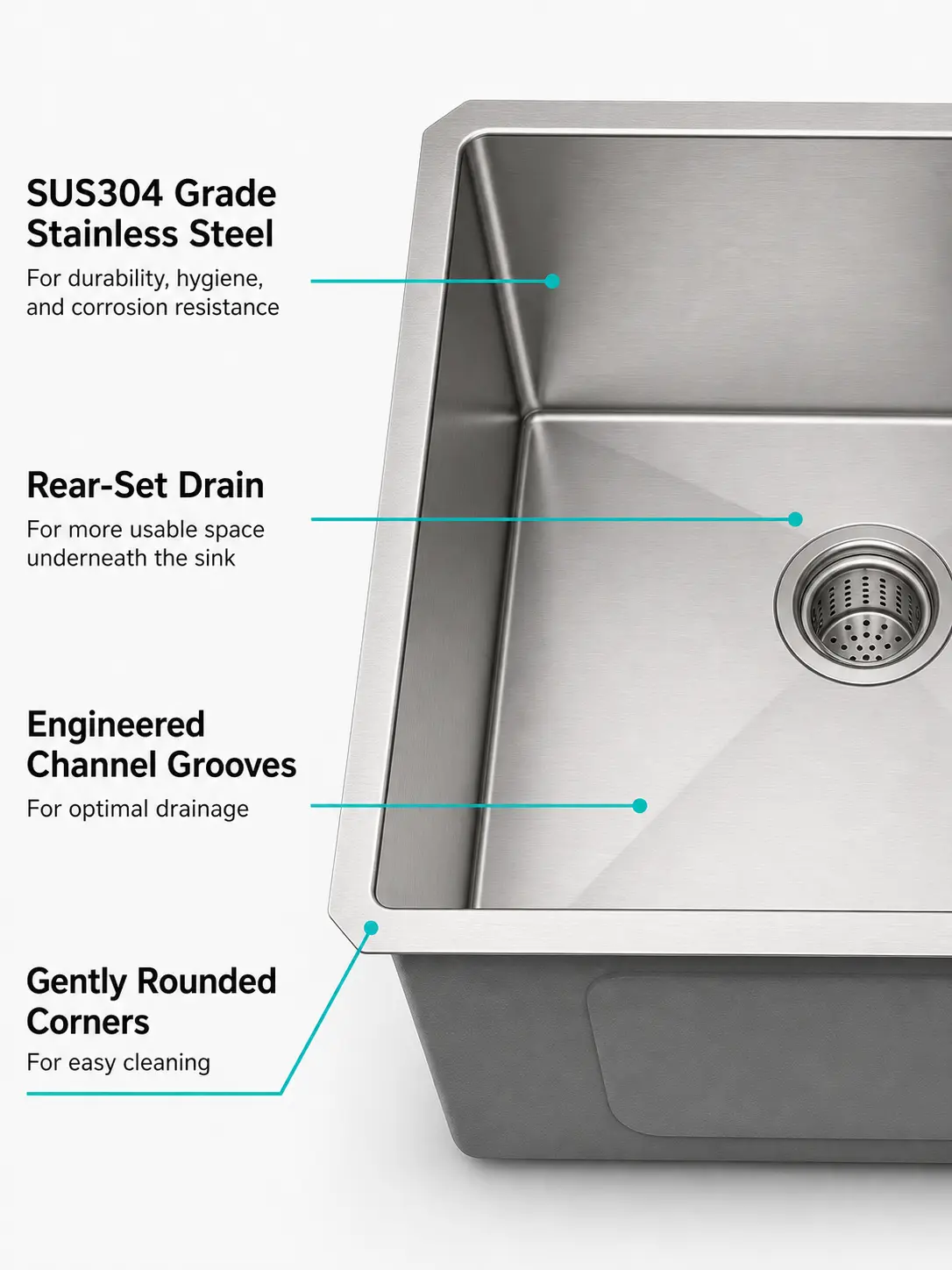
Material, Finish, and Surface Options
16 gauge stainless steel sinks can be supplied in different finishes and surface treatments depending on product positioning. The right finish should match the target channel, expected use, accessory set, and packing method.
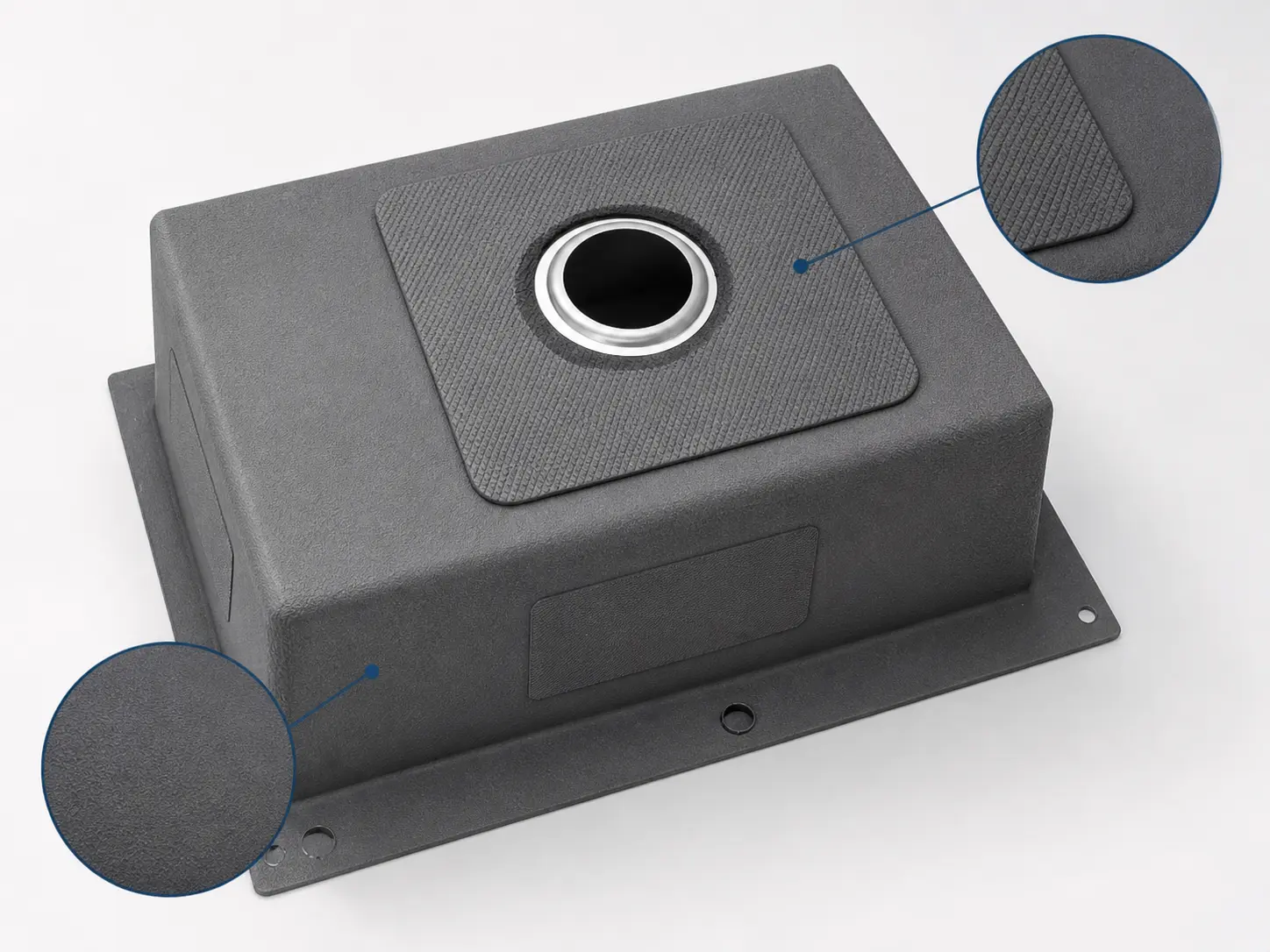
Sound Pad and Anti-Condensation Design
Although 16 gauge stainless steel already gives the sink a more substantial feel, sound pad coverage and anti-condensation coating still matter. These details affect perceived quality, cabinet protection, and after-sales feedback.
- Sound pad location & coverage
- Anti-condensation coating area
- Bottom and bowl sidewall coverage
- Adhesion check before shipment
Professional Note: Do not treat sound pad only as a decoration. For B2B buyers, the size, placement, adhesion, and consistency of the sound pad can affect how the sink feels in use and how the product is perceived after installation.
Accessory-Matched 16 Gauge Sink Sets
16 gauge stainless steel sinks are often used in premium or workstation sink sets, so accessories should be matched carefully with bowl size, ledge structure, inner radius, drain position, finish, and target channel.
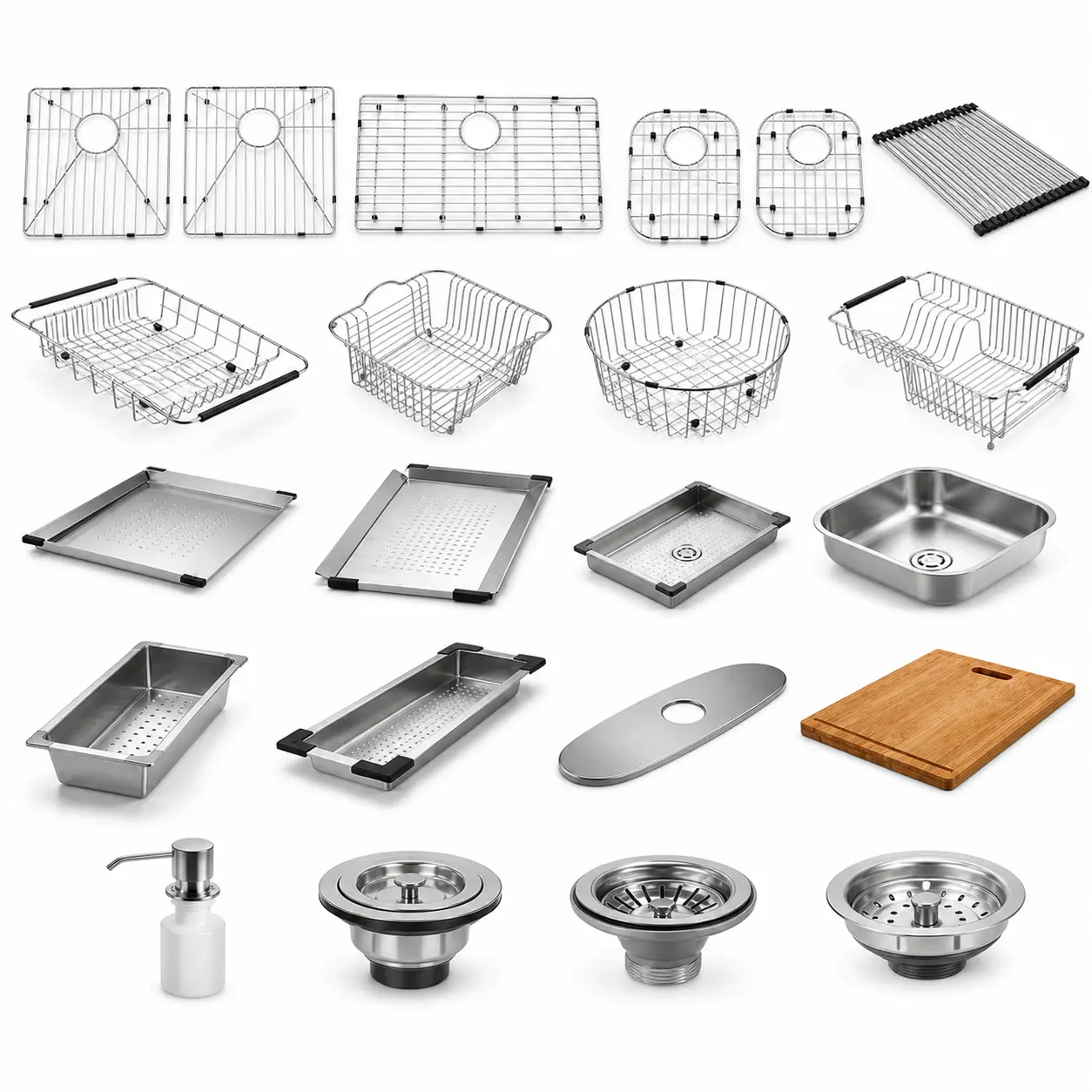
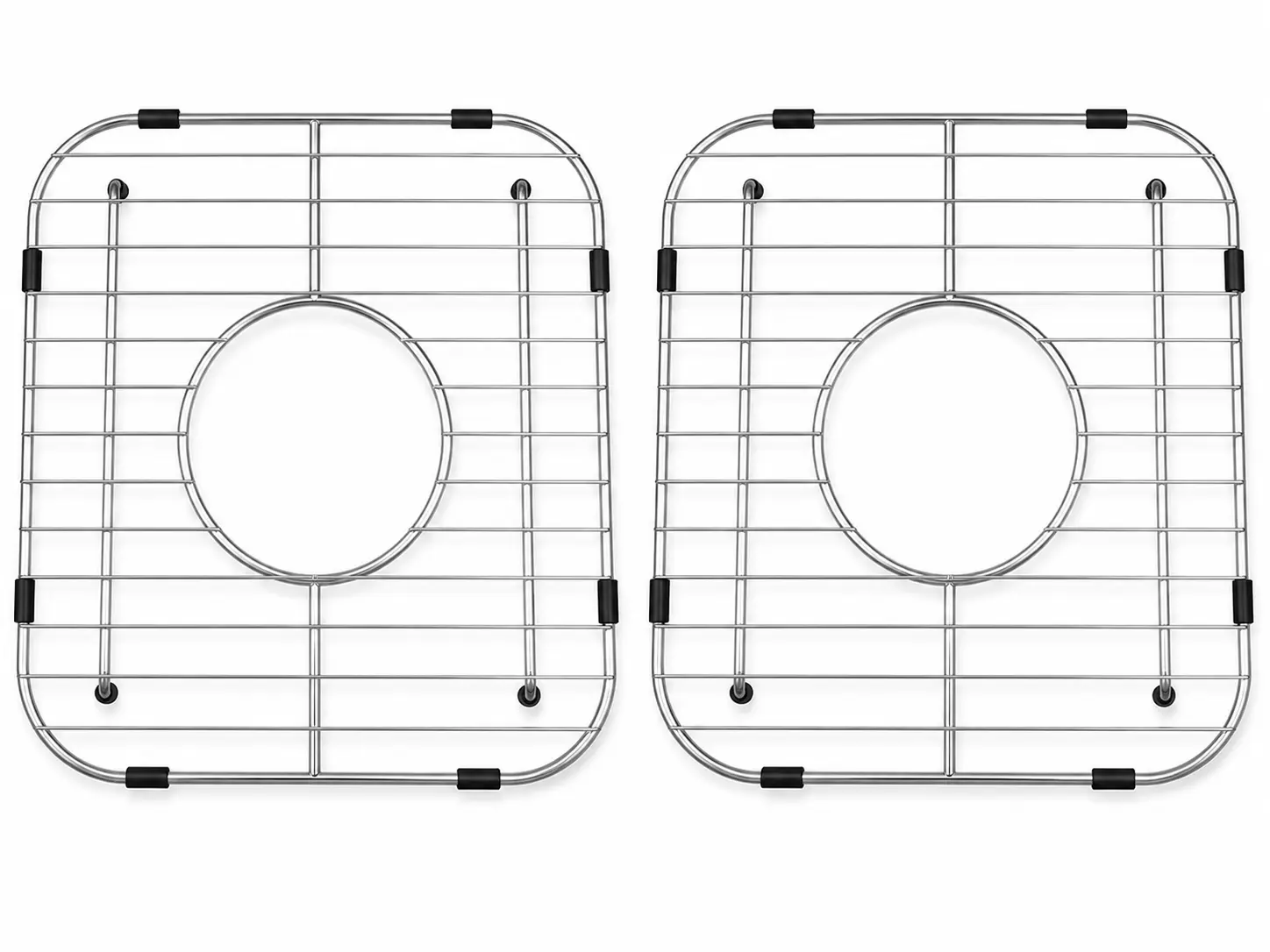
Bottom Grids & Racks
View Options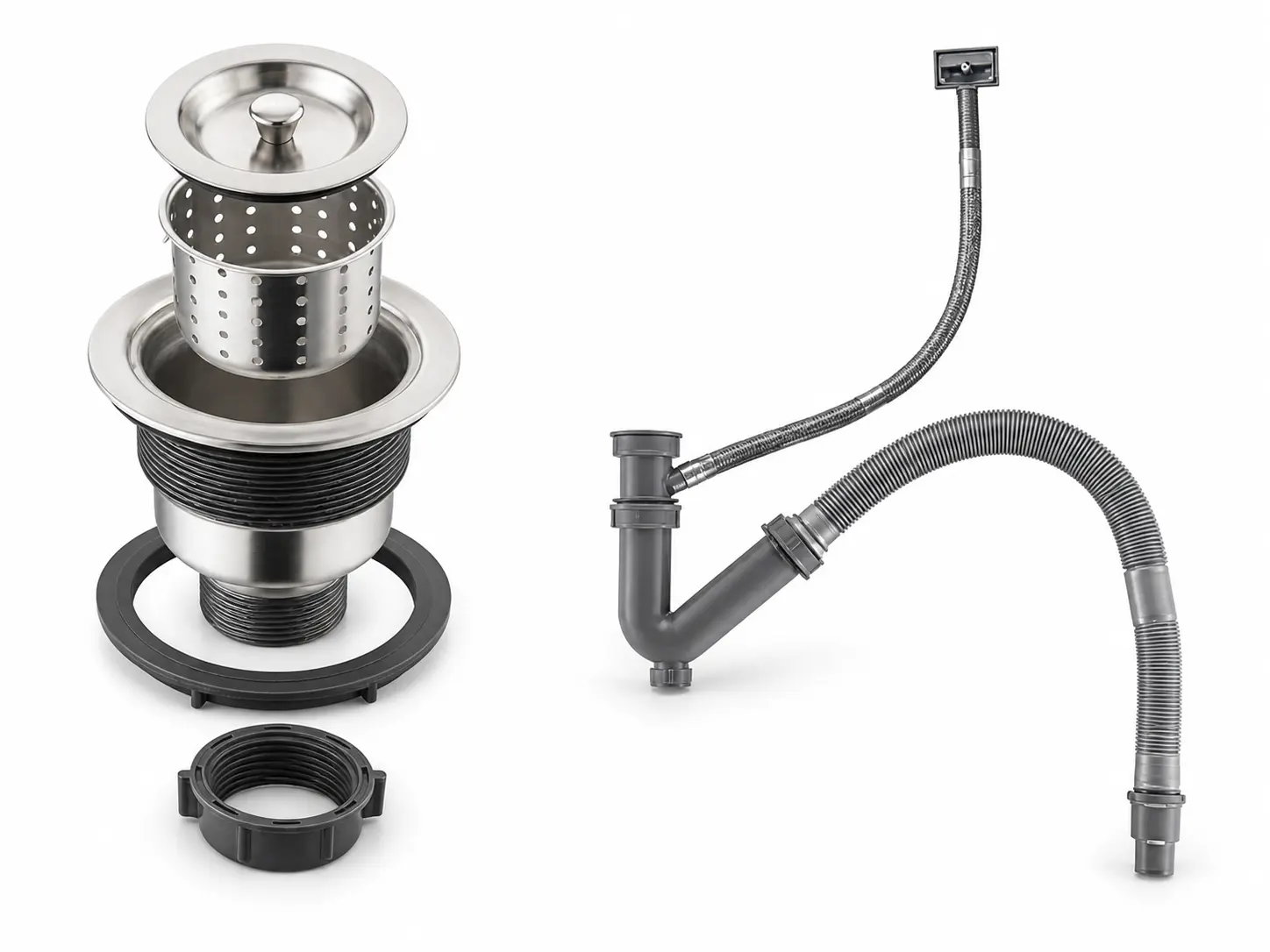
Kitchen Sink Drains
View Options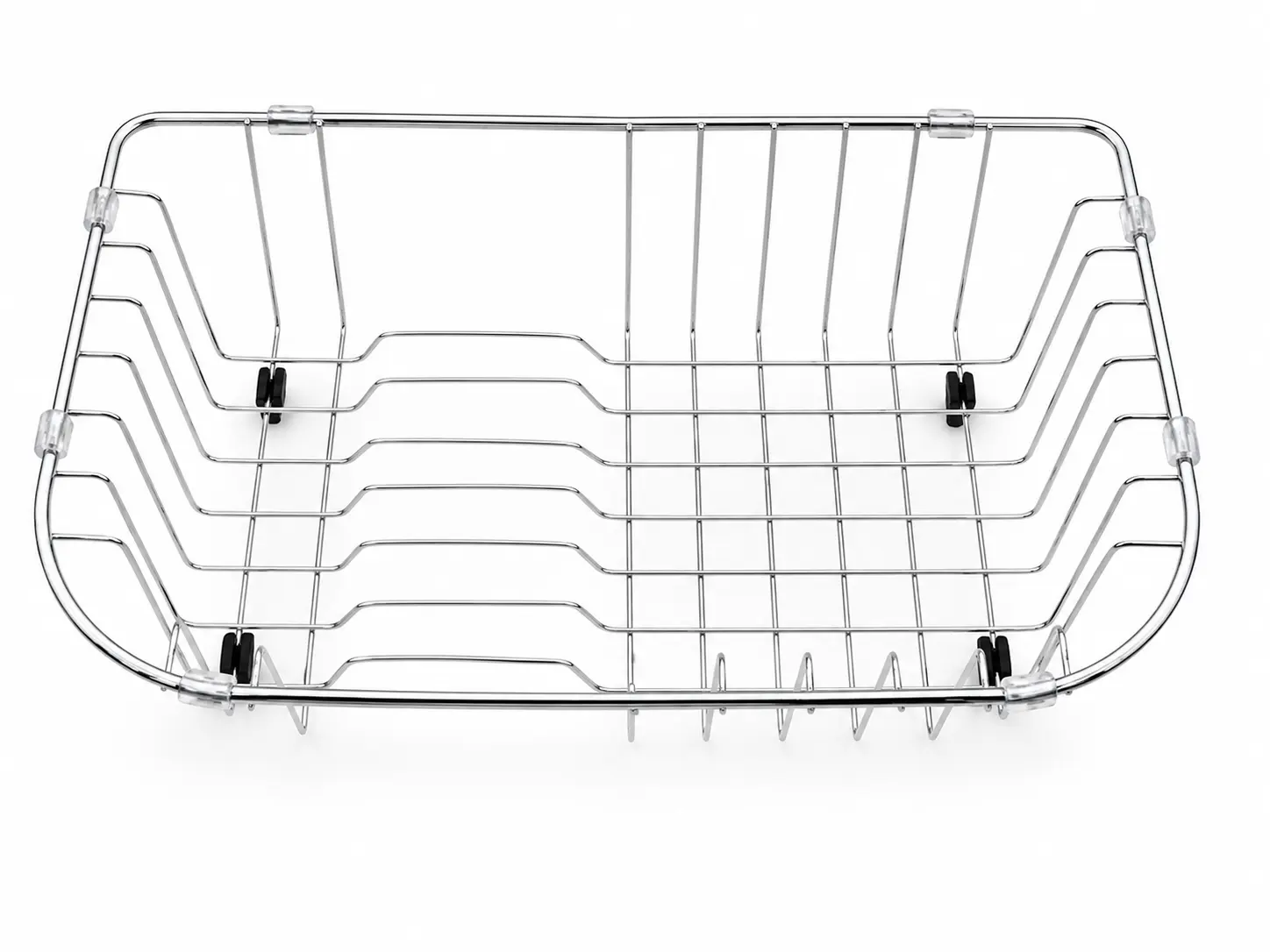
Baskets & Colanders
Matched to bowl dimensions.
For Workstation Models Only:
Chopping Boards & Roller Shutters require accessory ledges.
Explore Workstation Accessories →Where 16 Gauge Stainless Steel Sinks Are Commonly Used
Premium Residential
For kitchen programs where buyers expect a more substantial sink feel and stronger material positioning.
Workstation Programs
Combining thicker stainless steel structure with accessory ledges, cutting boards, grids, and colanders.
Private Label & OEM
For brands that want a clear specification point to support a higher-tier sink range.
Apron Front / Farmhouse
For design-led collections where the sink body and front face are part of the visible product story.
Selected Project Supply
For selected projects where material specification, repeatability, packing, and installation need strict control.
OEM Options for 16 Gauge Stainless Steel Sinks
Matrix can support OEM 16 gauge stainless steel sink programs based on existing models or custom specifications. Before production, buyers should confirm material thickness, thickness tolerance, manufacturing method, installation method, sink size, bowl depth, radius, drain position, accessory set, surface finish, logo, packaging, and order plan.
QC Points Before Shipment
For 16 gauge stainless steel sinks, inspection should focus on the details that affect material confidence, installation, appearance, use, and repeat-order consistency.
General Checklist
Thickness confirmation, size, rim flatness, drain position, surface finish, sound pad adhesion, accessory fit, packing protection.
For Handmade 16 Gauge
Welding and polishing check, corner/radius consistency, workstation ledge check, apron front alignment.
For Pressed / Drawn 16 Gauge
Original sheet thickness check, formed thickness review, corner/wall thickness, mold shape consistency.

Packaging for Export, Wholesale, and Project Orders
16 gauge stainless steel sinks may be heavier and often positioned for premium or project programs, so packaging should protect the rim, bowl surface, corners, accessories, finish, and visible areas. For repeated orders, carton labels, SKU control, accessory packing, and pallet plans also affect the supply experience.
Professional Note: A 16 gauge sink may carry a stronger product story, but poor packing can damage the visible finish, rim, or accessories before the buyer even evaluates the sink.
16 Gauge Stainless Steel Sink FAQ
What is a 16 gauge stainless steel sink?
Is 16 gauge always better than 18 gauge?
Is 16 gauge common for handmade sinks?
Can pressed / drawn sinks be 16 gauge?
What should buyers confirm before ordering 16 gauge sinks?
Can Matrix supply OEM 16 gauge stainless steel sinks?
Need a 16 Gauge Sink Program for Your Market?
Tell us your target market, preferred sink type, manufacturing method, installation method, sink size, bowl depth, surface finish, accessory plan, and order volume. Matrix can help review whether a 16 gauge stainless steel sink is suitable for your product line.
tenly@matrixsink.com
+18520999956
Jianye Road, Nantou town, Zhongshan, Guangdong, China