Japan is not a market where kitchen sinks are treated as a simple bowl under the countertop.
In many Japanese kitchens, the sink is part of a bigger system: countertop, cabinet, drain, storage, cleaning flow, accessories, and cooking movement. A good sink is not judged only by stainless steel grade or size. It is judged by how naturally it works with the kitchen around it.
That is why this list includes more than sink factories. It covers stainless steel sink manufacturers, OEM sink makers, system kitchen brands, artificial marble specialists, and global OEM alternatives for buyers who need custom production.
Projects do not fail only on material or size. They fail when the sink, countertop, cabinet, workflow, accessories, and installation method do not match.
Japan Kitchen Sink Market Snapshot
Japan’s kitchen sink market is deeply connected to system kitchens.
Brands such as Cleanup, LIXIL, Takara Standard, Panasonic, TOTO, TOCLAS, and TOYO Kitchen Style do not usually present sinks as isolated products. They build sinks into a complete kitchen experience: easy cleaning, quiet use, compact movement, storage, countertop integration, and food preparation flow.
At the same time, Japan also has specialist manufacturers such as Shigeru Kogyo and Toyoura, which focus more directly on stainless steel sinks, worktops, OEM supply, and custom production.
For international buyers, Japan is valuable not only because of product quality. It is valuable because it shows how a sink can become part of a daily workflow, not just a kitchen component.
Quick Comparison Table
| Rank | Company / Brand | Role in Japan | Main Sink Types | Best For |
|---|---|---|---|---|
| 1 | Shigeru Kogyo | Stainless steel sink manufacturer | Topmount, undermount, multifunction sinks | Stainless sink sourcing and custom needs |
| 2 | Toyoura | OEM stainless sink and worktop manufacturer | Pressed, premium, handmade-order sinks | OEM and system kitchen supply |
| 3 | Cleanup | System kitchen brand | Stainless sinks, easy-clean sinks | Japanese system kitchen projects |
| 4 | Matrix | Global OEM manufacturer | Handmade, pressed, workstation, undermount sinks | Importers, private-label and custom projects |
| 5 | LIXIL Kitchen Technology | System kitchen brand | Stainless, artificial marble and system sinks | Broad residential and commercial kitchen systems |
| 6 | Takara Standard | System kitchen brand | Easy-tidy sinks, enamel kitchen systems | Durable kitchens and easy-clean workflows |
| 7 | Panasonic Kitchen | Housing and system kitchen brand | Rakusuru-style functional kitchen sinks | Residential kitchen systems |
| 8 | TOTO Kitchen | System kitchen brand | The Crasso, Mitte, clean-flow sinks | Premium residential kitchens |
| 9 | TOCLAS | Artificial marble kitchen specialist | Marble sinks and faux-marble countertops | Seamless countertop and sink design |
| 10 | TOYO Kitchen Style | High-design kitchen brand | 3D Sink, 4D Sink, G Sink | Design-led multifunction kitchens |
| 11 | EIDAI | Housing and kitchen system brand | System kitchen sinks and furniture-like kitchens | Interior-integrated kitchen projects |
| 12 | Nasluck | Stainless system kitchen brand | Stainless kitchens, counters and sinks | Stainless kitchen systems |
| 13 | Housetec | Housing equipment manufacturer | System kitchens and sink-related options | Water-area housing equipment |
| 14 | E:kitchen | Kitchen sink and OEM sink platform | Stainless, artificial marble, OEM maker sinks | Buyers comparing Japanese sink options |
| 15 | Matsuoka Quality | Custom handmade stainless sink maker | Custom SUS304 handmade sinks | High-end custom stainless sinks |
1. Shigeru Kogyo
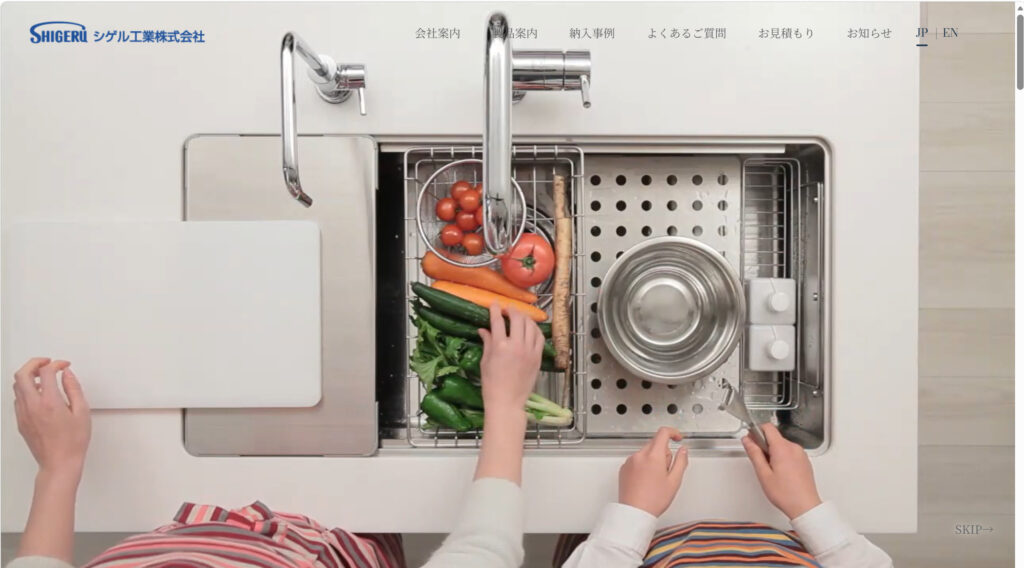
Shigeru Kogyo is one of the most relevant names for anyone studying Japanese stainless steel kitchen sinks. Its official product page shows a wide range of stainless steel sinks, including topmount and undermount models, and the company states that it can respond to particular customer needs.
This makes Shigeru different from a general system kitchen brand. It is closer to a specialist stainless steel sink and worktop manufacturer. Its range includes simple sinks, integrated drainage sinks, multifunction sinks, and renovation-friendly stainless kitchen parts.
Best for: stainless steel sink sourcing, renovation sinks, topmount and undermount options, custom needs.
2. Toyoura
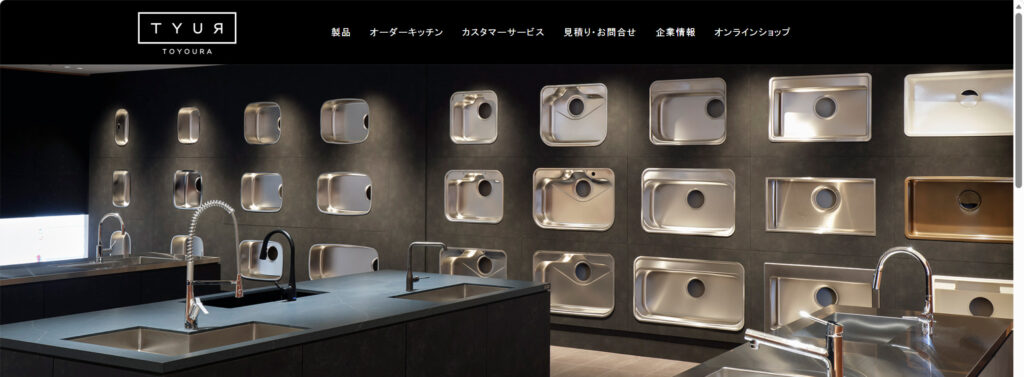
Toyoura is a strong Japanese stainless steel sink and worktop manufacturer. Its official site states that the company has supplied pressed sinks as an OEM manufacturer to major system kitchen brands, meeting strict quality-control requirements.
Toyoura is especially worth studying because it bridges two worlds: industrial pressed sink production and more refined premium sink design. Its product catalog includes stainless steel sinks, countertops, original sink designs, premium sinks, over sinks, and handmade-order sinks.
Best for: OEM sink supply, pressed stainless sinks, premium sink development, worktop integration.
3. Cleanup
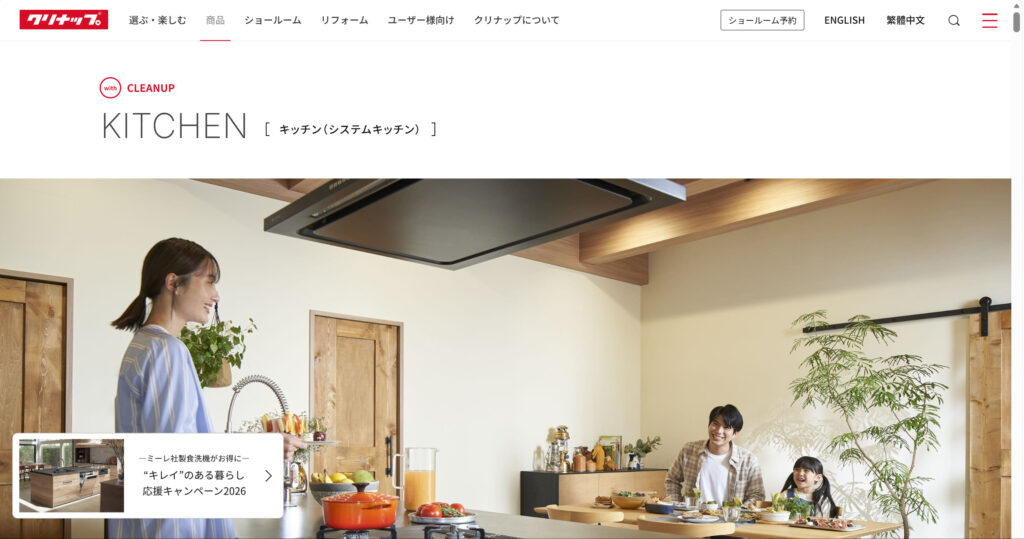
Cleanup is a major Japanese system kitchen brand. Its global site describes the company as a housing equipment manufacturer producing systemized kitchens, bathrooms, and wash stands.
For kitchen sinks, Cleanup is important because it represents the Japanese idea that a sink should stay clean and easy to use every day. Its STEDIA kitchen page highlights easy-to-clean drains, sinks, and range hoods as part of the kitchen’s daily comfort.
Best for: Japanese system kitchens, stainless kitchen concepts, easy-clean sink design.
4. Matrix
Website: www.matrixsinks.com
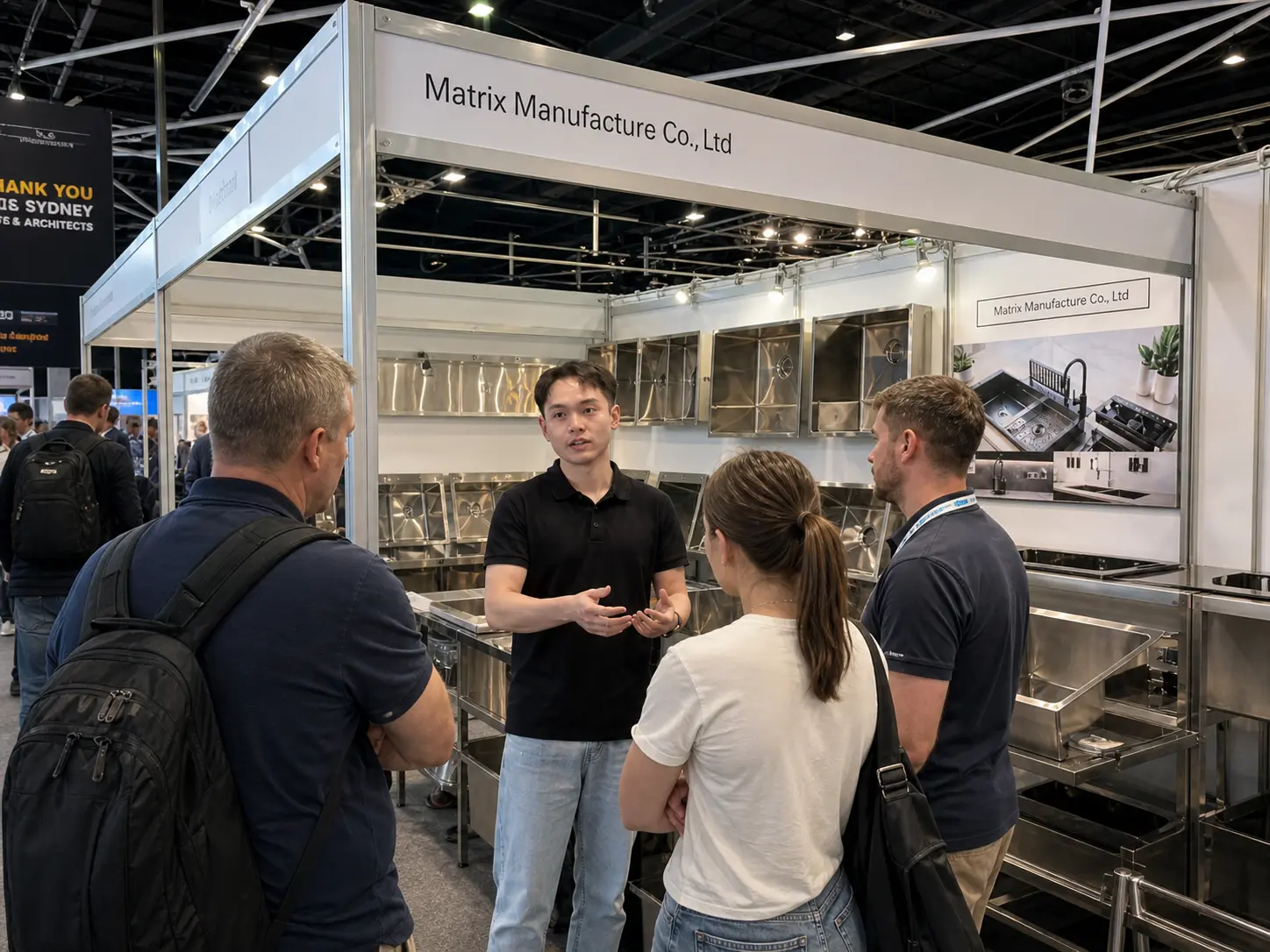
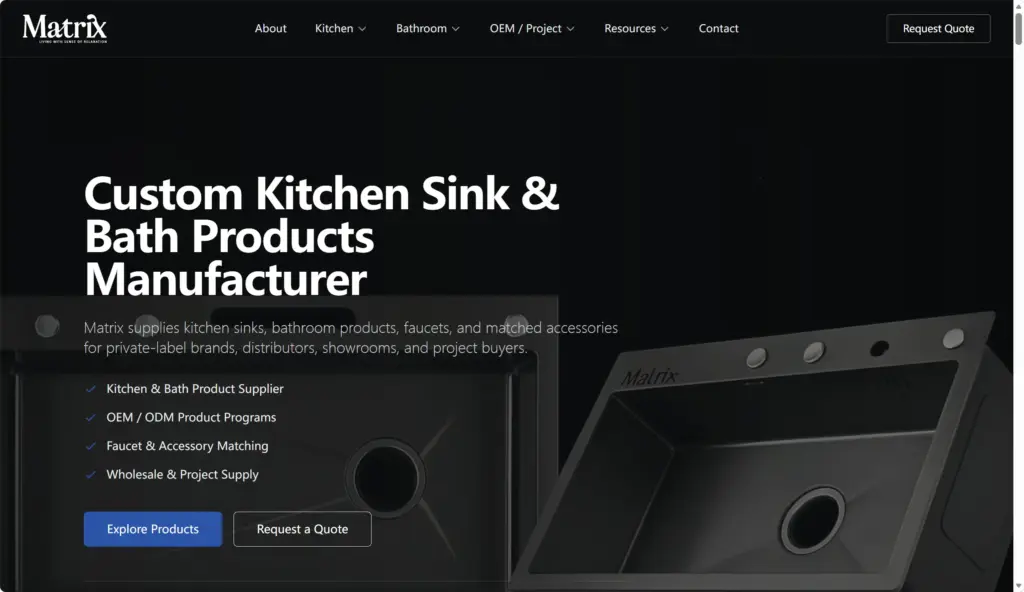
Matrix is a China-based stainless steel kitchen sink manufacturer for brands, importers, distributors, and project buyers. It is not a Japanese local company, but it fits a different need: OEM and private-label sink development.
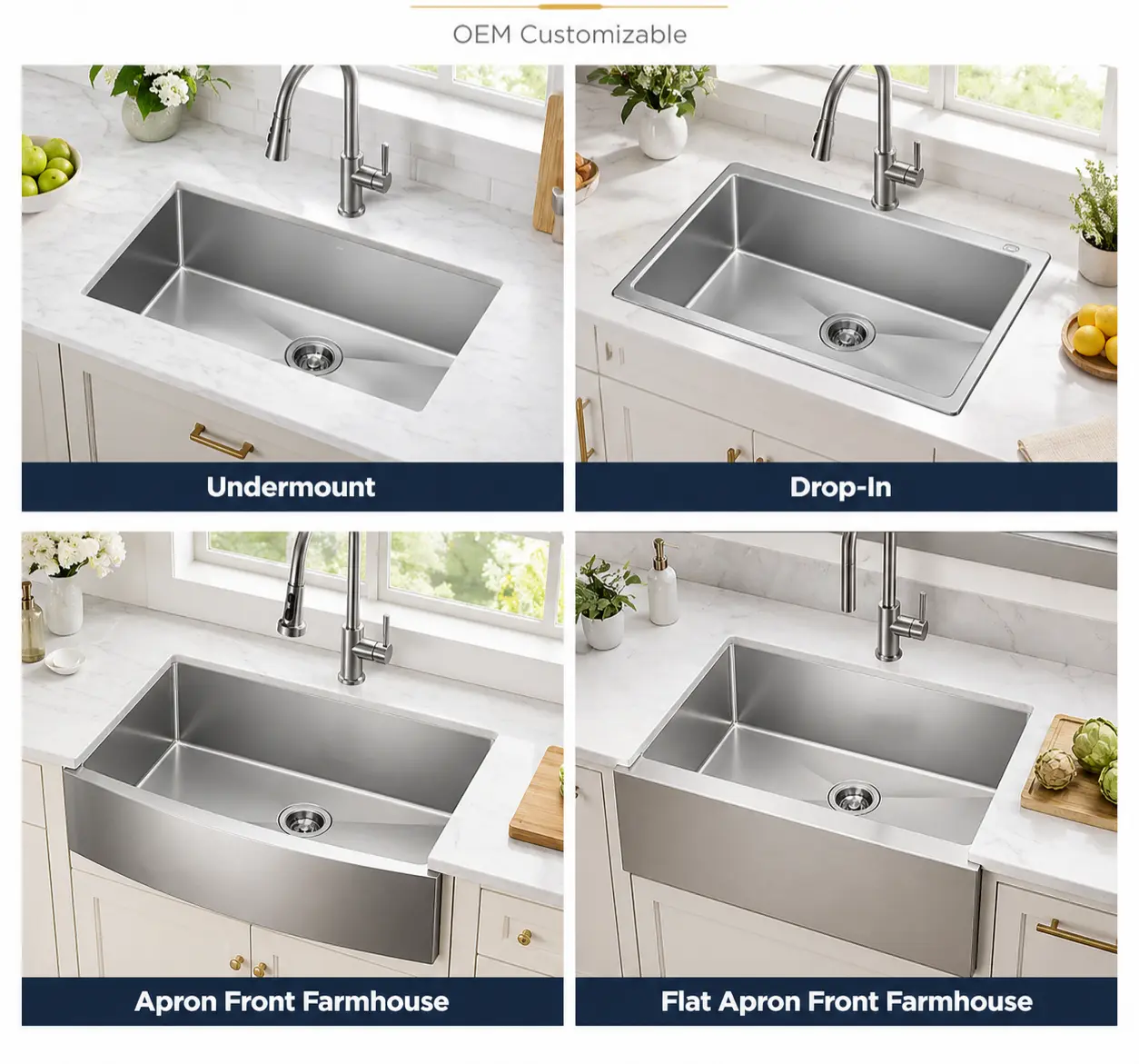
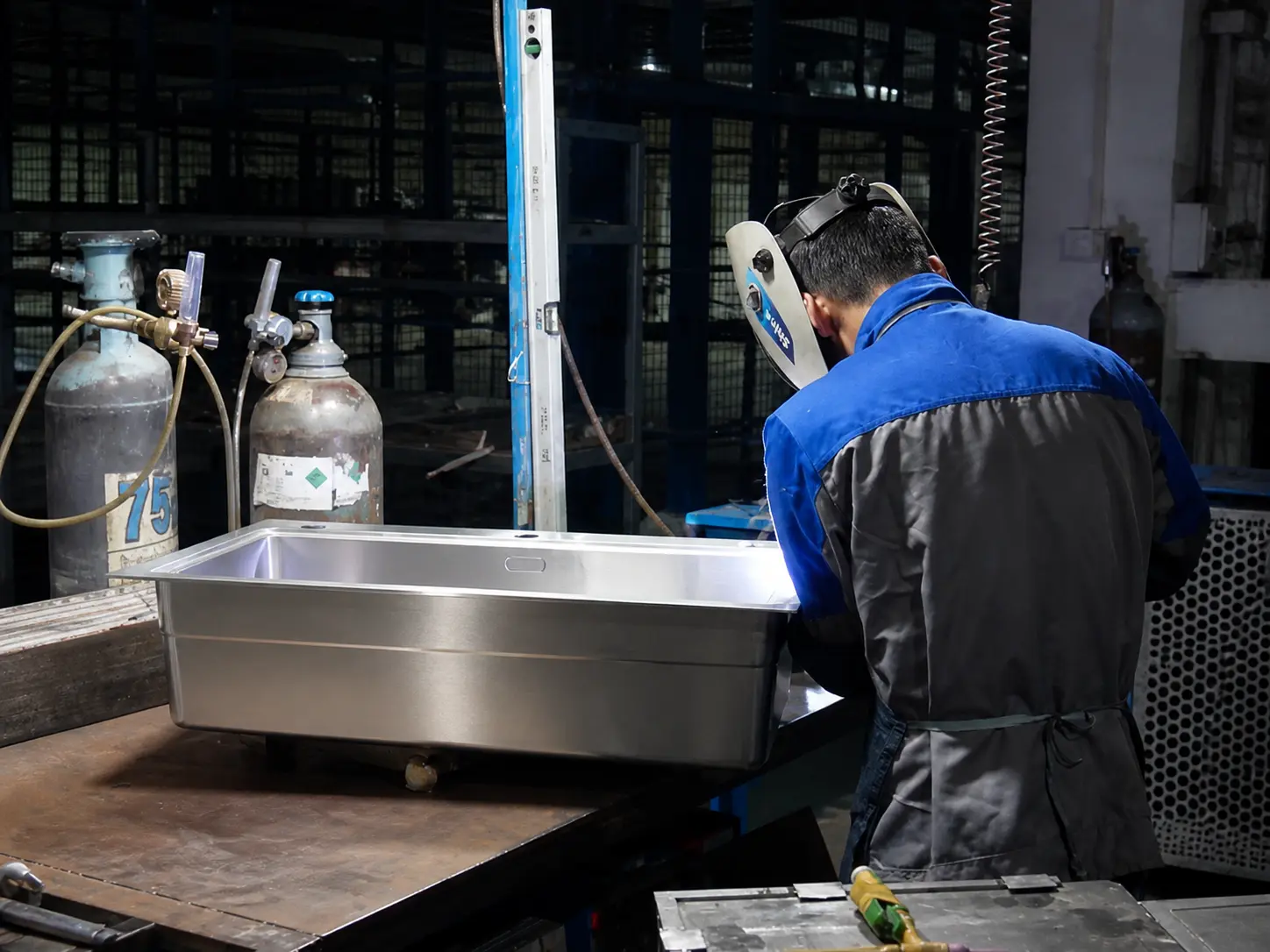
Matrix supports handmade stainless steel sinks, pressed sinks, undermount sinks, top-mount sinks, apron front sinks, workstation sinks, custom sizing, finish options, sink accessories, packaging control, and repeatable production.
That is where Matrix fits. It is better for buyers who need more control over bowl size, radius, finish, drain position, accessory matching, carton design, logo, and private-label packaging.
Best for: OEM buyers, importers, private-label stainless sink programs, custom sink projects.
5. LIXIL Kitchen Technology
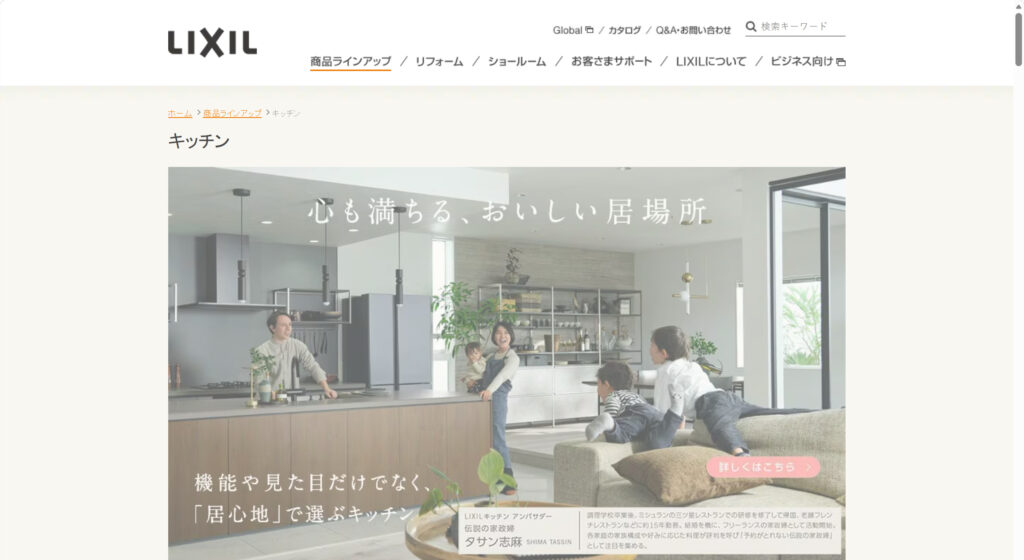
LIXIL Kitchen Technology is one of the most important system kitchen players in Japan. LIXIL describes its kitchen business as a leading provider of system kitchens in Japan, with products ranging from small-space kitchen units to luxurious residential kitchens and commercial kitchens.
For sink buyers, LIXIL matters because it shows how sinks are positioned inside a full kitchen system. The sink is not only a product. It works with countertops, cabinets, storage, and cooking habits.
Best for: full kitchen systems, residential kitchens, broad product coverage.
6. Takara Standard
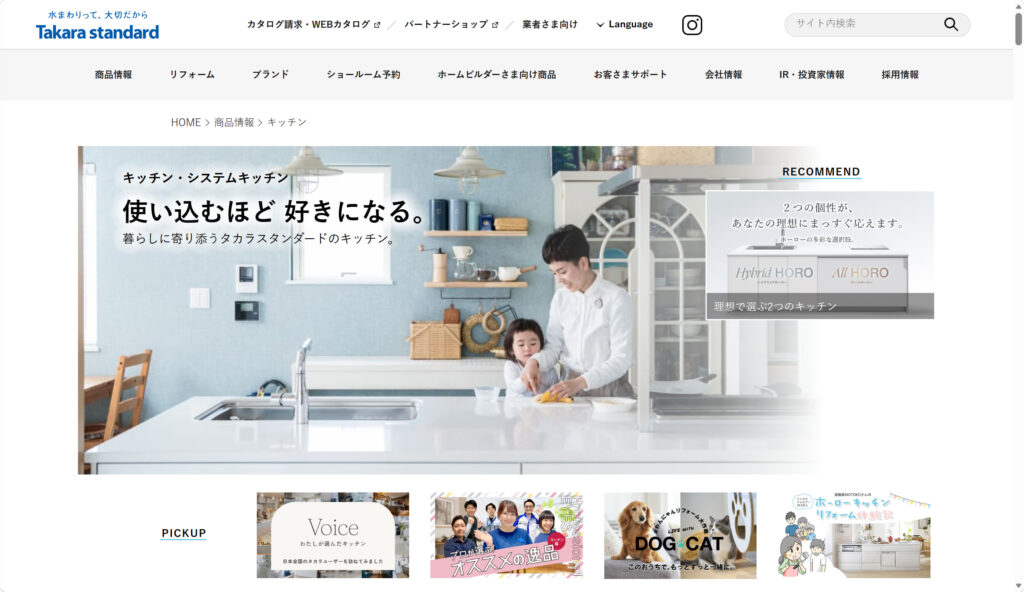
Takara Standard is known for its durable kitchen systems and enamel technology. The company explains that it started in 1912 as a pioneer of enameled products and developed enamel kitchens in 1962. Its high-grade enamel combines a strong iron base with a vitreous surface that blocks dirt and humidity.
Its Easy-tidy sink concept is a good example of Japanese sink thinking. The sink is not just a washing area; it uses upper and middle spaces for cutting, drying, draining, and keeping the worktop cleaner.
Best for: durable kitchens, easy-clean design, sink workflow and storage integration.
7. Panasonic Kitchen
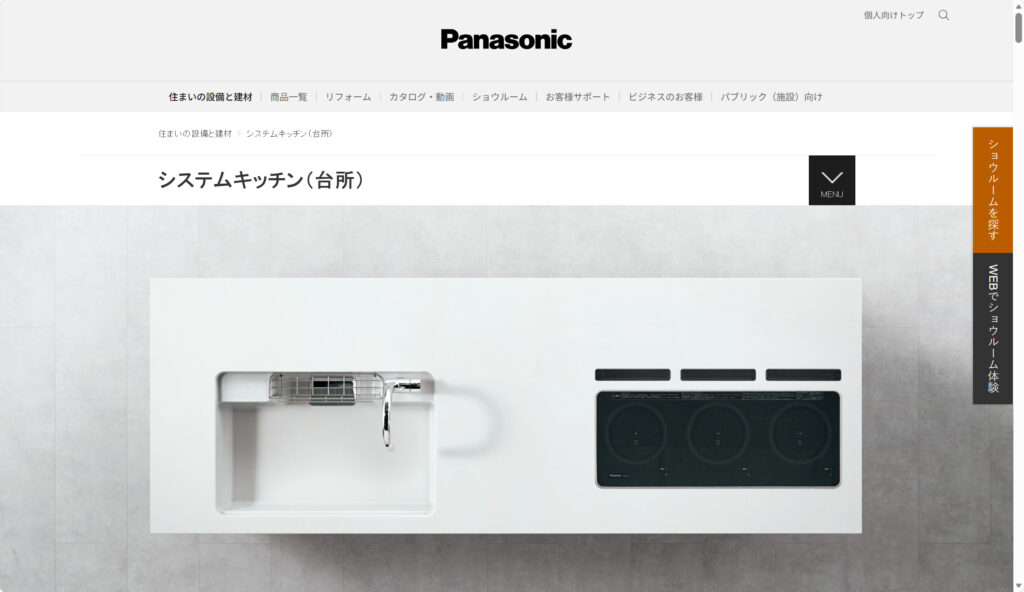
Panasonic Housing Solutions covers kitchen systems, bathrooms, washbasins, toilets, interior materials, doors, and furniture systems.
Panasonic’s kitchen products are relevant because they focus on the full residential living experience, not only a single sink or cabinet. For kitchen sink buyers, Panasonic is useful to study when looking at how large Japanese brands connect function, comfort, design, and daily maintenance.
Best for: residential kitchen systems, housing projects, integrated kitchen planning.
8. TOTO Kitchen
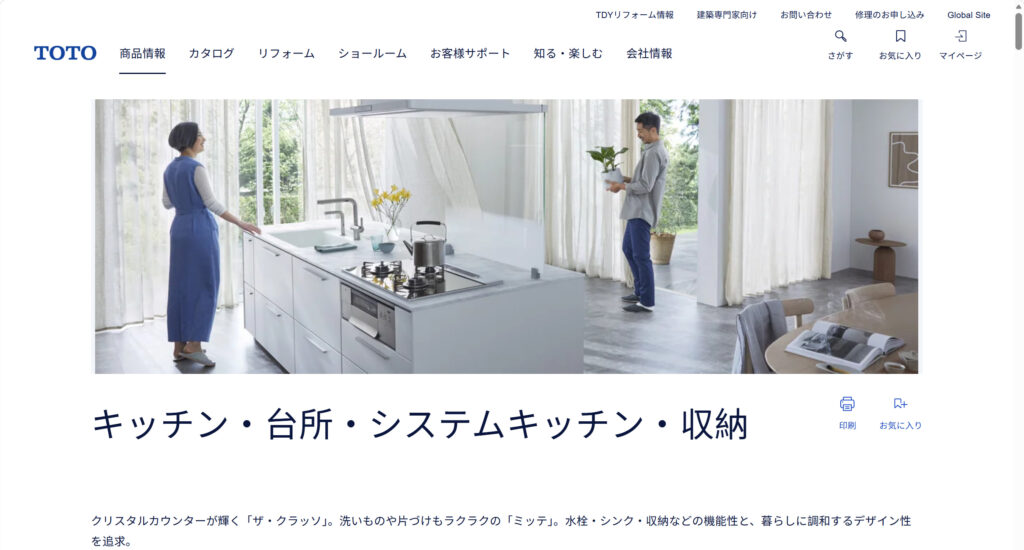
TOTO is best known globally for bathrooms, but in Japan it is also an important kitchen system brand. Its kitchen page presents The Crasso and Mitte system kitchens, and specifically highlights a square “sliding” sink concept designed to keep water and waste flowing smoothly.
TOTO is useful for understanding the Japanese focus on cleanliness. The sink is not only a basin; it is part of a clean-flow system that should make washing, draining, and tidying easier.
Best for: premium residential kitchens, clean-flow sink concepts, design and hygiene-focused kitchens.
9. TOCLAS
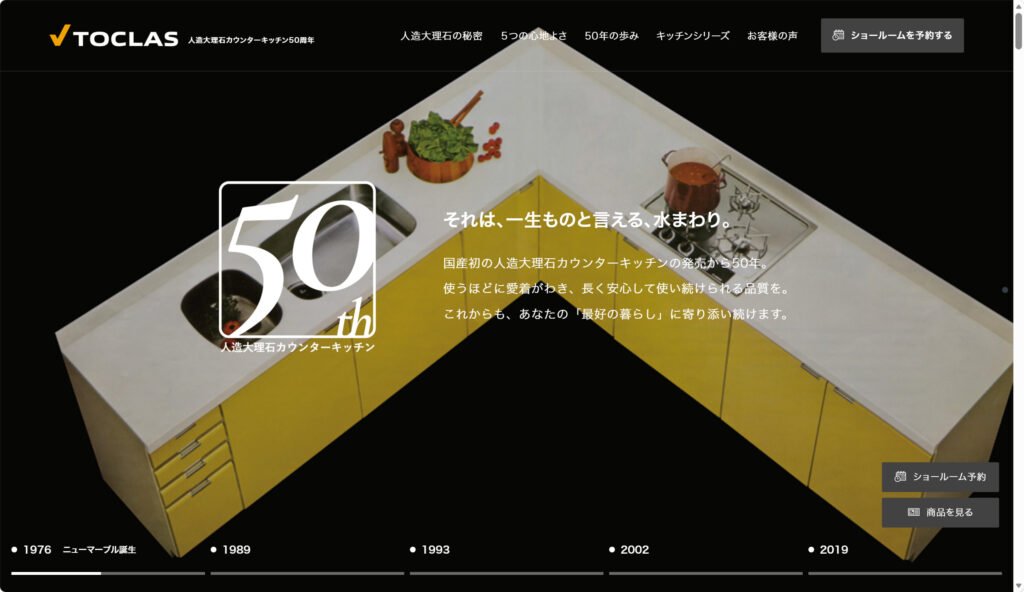
TOCLAS is closely associated with artificial marble kitchen systems. Its global brand page states that the Bb kitchen series comes with marble sinks and faux-marble countertops as standard, while the BERRY series features high-back counters and many surface options.
TOCLAS is important because it shows another side of the Japanese sink market: not everything is stainless steel. Seamless-looking artificial marble sinks and countertops are part of the market, especially when buyers care about visual softness, cleaning, and integrated design.
Best for: artificial marble sinks, seamless countertop design, residential system kitchens.
10. TOYO Kitchen Style
TOYO Kitchen Style is a high-design kitchen brand with some of Japan’s most recognizable multifunction sink concepts. Its official 3D Sink page describes a large multi-level sink that uses upper, middle, and lower areas to create a larger cooking workspace.
The company’s system kitchen page also lists 3D Sink, G Sink, 4D Sink, 2D Sink, and related sink concepts.
TOYO is not the brand to study for basic commodity sinks. It is the brand to study when thinking about sink space as architecture: hiding, washing, draining, storing, and preparing inside one sink zone.
Best for: high-end design kitchens, multifunction sinks, workflow-focused sink concepts.
11. EIDAI
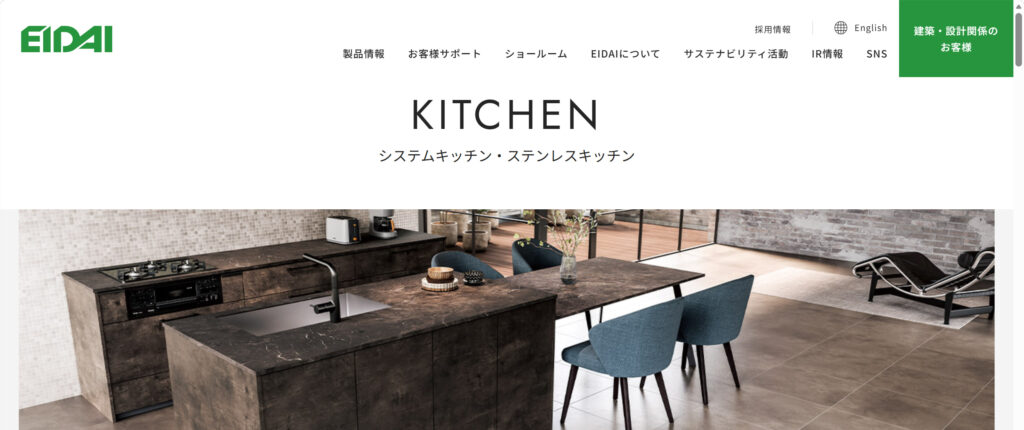
EIDAI is a Japanese housing and interior materials company with kitchen system products. It is often associated with wood, interior living spaces, and furniture-like kitchen design. EIDAI-related kitchen systems such as Lafina Neo are described as kitchens that connect naturally with dining and living areas.
EIDAI is not mainly a standalone sink specialist. It belongs more to the system kitchen and interior-integrated category. It is useful for buyers who want to understand how Japanese brands connect kitchen furniture, cabinetry, and sink areas into one living space.
Best for: system kitchens, furniture-like kitchen design, interior-integrated projects.
12. Nasluck
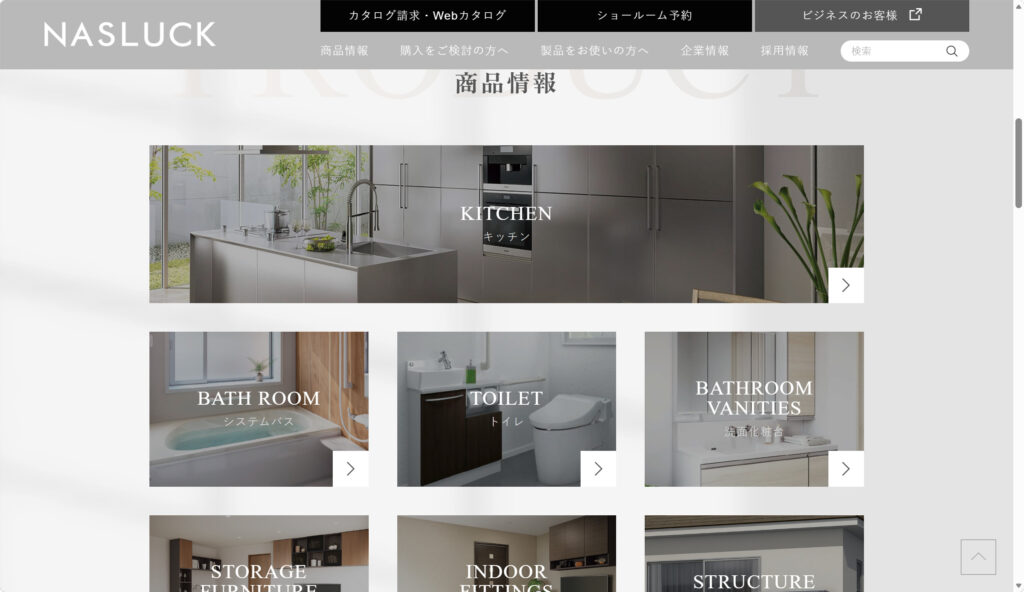
Nasluck is a Japanese system kitchen brand with a strong stainless kitchen identity. Its official site positions Nasluck as a pioneer of stainless steel kitchens and promotes high-quality system kitchens for kitchen renovation.
Nasluck is relevant for stainless steel kitchen buyers because it does not treat stainless steel as only a sink material. It applies the material across counters, sinks, and kitchen structures, which is useful for buyers studying durability and long-term maintenance.
Best for: stainless kitchen systems, renovation, durable kitchen structures.
13. Housetec
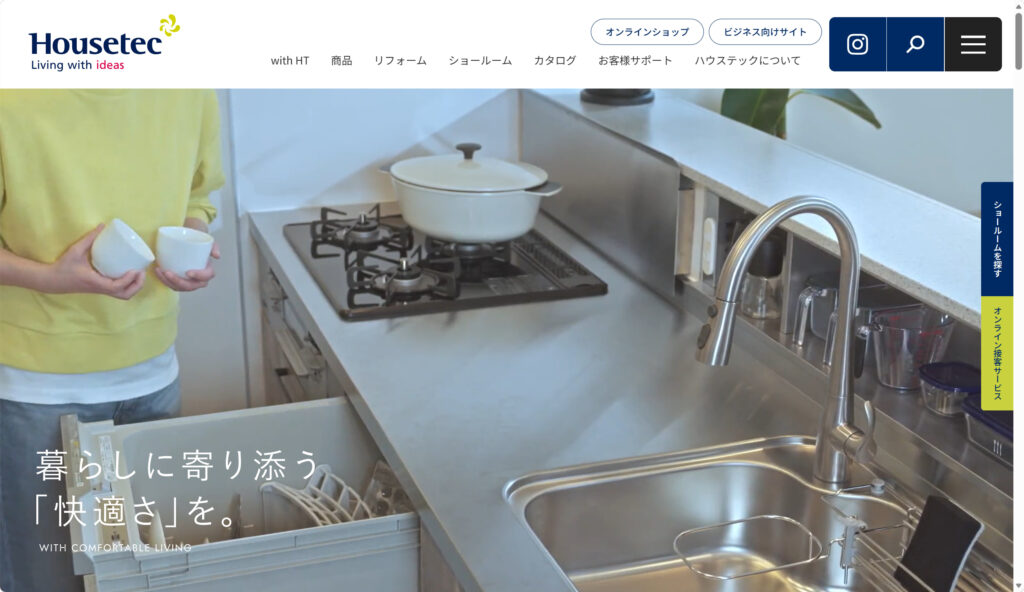
Housetec manufactures water-area housing equipment, including system kitchens and system baths. Its official product lineup states that the company makes kitchens and other wet-area products.
For kitchen sink research, Housetec is relevant as part of Japan’s broader housing equipment market. It may not be as globally visible as LIXIL or TOTO, but it belongs in the system kitchen ecosystem.
Best for: housing equipment, system kitchens, renovation-related kitchen products.
14. E:kitchen
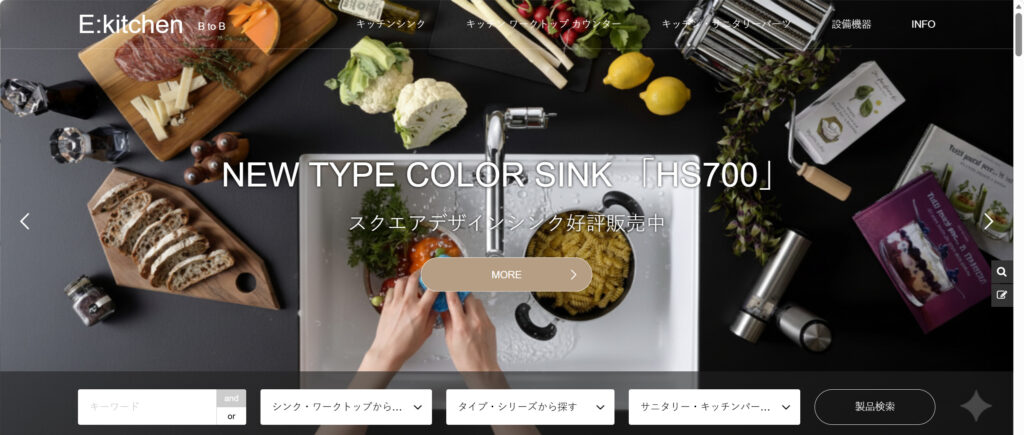
E:kitchen is not a manufacturer in the same way as Toyoura or Shigeru Kogyo. It is more useful as a comparison and sourcing platform for Japanese kitchen sinks. Its kitchen sink page includes stainless steel sinks, artificial marble sinks, and OEM maker sinks, with a wide range of models.
This makes E:kitchen useful for buyers who want to compare Japanese sink styles, dimensions, materials, and manufacturer options in one place.
Best for: sink comparison, Japanese OEM sink options, material and size research.
15. Matsuoka Quality
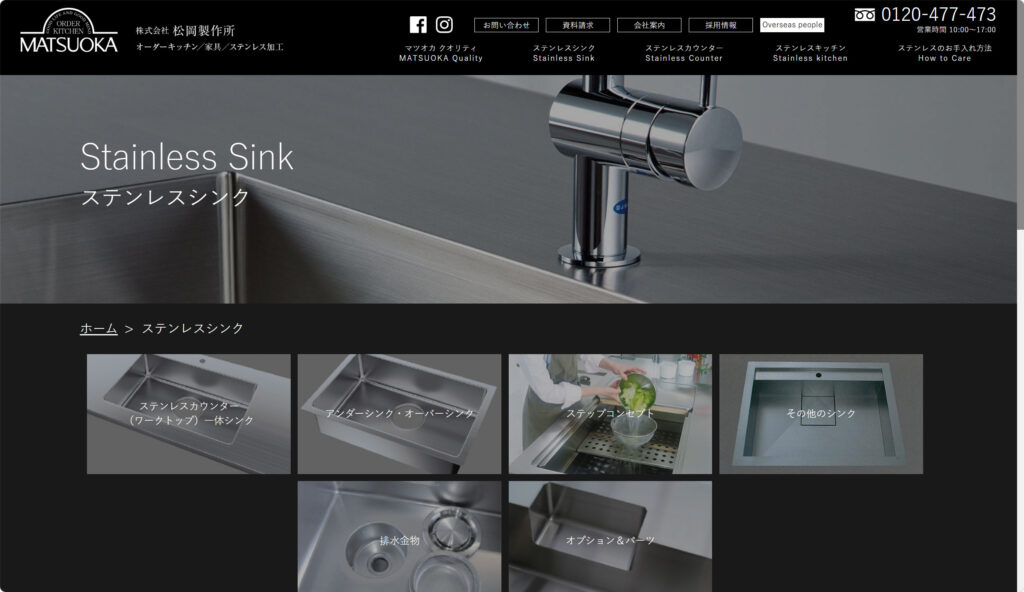
Matsuoka Quality focuses on fully custom-made stainless steel sinks. Its global page presents handmade Japan-quality sinks made with thick SUS304 stainless steel, designed for durability, corrosion resistance, heat resistance, and hygiene.
Matsuoka is a good example of a more specialized Japanese stainless steel sink maker. It is not a broad retail channel or system kitchen giant. It is more relevant for high-end custom stainless steel sink projects.
Best for: custom handmade stainless sinks, high-end SUS304 projects, bespoke sink design.
How to Select a Kitchen Sink Supplier in Japan
Japan is different from many other markets. The first question is not always “Who sells sinks?” The better question is: what role does the sink need to play in the kitchen system?
1. Decide whether you need a system kitchen brand or a sink manufacturer
If the project is a full residential kitchen, brands like Cleanup, LIXIL, Takara Standard, Panasonic, TOTO, TOCLAS, and TOYO Kitchen Style are highly relevant.
If the need is more specific, such as stainless steel sink manufacturing, OEM supply, worktops, or custom sizing, manufacturers like Shigeru Kogyo, Toyoura, and Matsuoka Quality may be more relevant.
2. Look beyond material grade
Stainless steel grade matters, but Japanese sink design often goes further. Pay attention to rim structure, drainage flow, cleaning details, noise control, accessory movement, and how the sink connects with the countertop.
3. Check how the sink supports daily workflow
A Japanese sink often does more than washing. It may support cutting, draining, temporary storage, garbage handling, dish drying, or hiding clutter. This is especially clear in Takara Standard’s Easy-tidy sink and TOYO Kitchen Style’s 3D Sink concepts.
4. Match the sink with the kitchen style
Artificial marble sinks, stainless steel sinks, multifunction sinks, compact sinks, and custom handmade sinks all serve different needs. A sink for a compact apartment kitchen is not the same as a sink for a premium open kitchen.
5. For OEM buyers, focus on repeatability
If you are sourcing for import, private label, or project supply, the key is not only a nice sample. You need stable drawings, size tolerance, finish consistency, accessory matching, carton design, labeling, and repeat-order control.
Common Mistakes Buyers Should Avoid
Choosing a sink only by size
In Japan, two sinks with similar dimensions can feel very different. Depth, ledge design, drain position, corner radius, rim style, and accessory layout change how the sink works every day.
Treating the sink as a separate product
Many Japanese sinks are designed as part of a system. If the sink does not match the countertop, cabinet, drain, storage, and cooking flow, the kitchen may look complete but feel inconvenient.
Assuming stainless steel solves everything
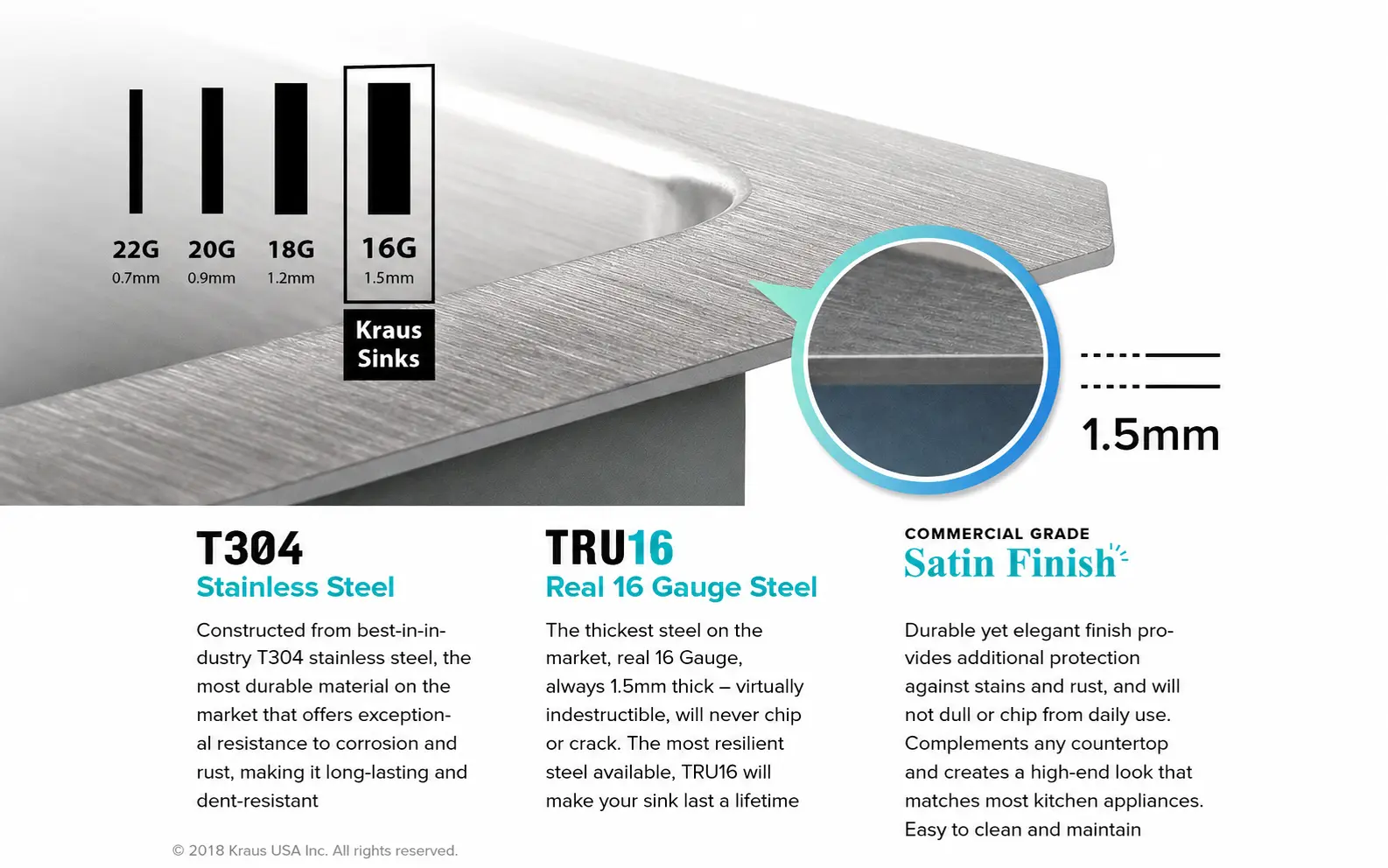
Stainless steel is practical, but the real quality is in forming, welding, polishing, sound control, cleaning details, and edge design.
Ignoring accessory movement
Multifunction sinks only work when accessories move naturally. A cutting board, rack, drain basket, or plate should feel like part of the sink, not an add-on.
Confusing Japanese system brands with OEM factories
A system kitchen brand is good for complete kitchen solutions. An OEM sink manufacturer is better when you need custom stainless steel sinks, private-label packaging, or production control.
FAQ
Are kitchen sink manufacturers and system kitchen brands the same in Japan?
No. Some companies specialize in stainless steel sinks and worktops, while others build complete system kitchens. Japan has both specialist manufacturers and large system kitchen brands.
Which Japanese companies are closer to sink manufacturers?
Shigeru Kogyo, Toyoura, and Matsuoka Quality are closer to direct stainless steel sink or worktop manufacturing. They are more relevant for custom or OEM-style sink needs.
Why are Japanese kitchen sinks often more functional?
Japanese kitchens often focus on compact movement, easy cleaning, storage, and cooking flow. This leads to sink designs that support cutting, draining, washing, hiding clutter, and using space above or inside the sink.
Are stainless steel sinks still popular in Japan?
Yes. Stainless steel remains important, especially for durability, hygiene, heat resistance, and easy maintenance. However, artificial marble and other integrated sink materials are also strong in the system kitchen market.
Should overseas buyers choose a Japanese brand or an OEM manufacturer?
It depends on the goal. If you need a complete Japanese-style system kitchen, a Japanese system brand is more relevant. If you need custom stainless steel sinks, private-label development, or repeatable production, an OEM manufacturer may be more suitable.
What should buyers check before ordering custom stainless steel sinks?
Buyers should confirm drawings, steel grade, thickness, bowl depth, radius, drain position, rim structure, surface finish, accessories, sound pad, packaging, labeling, and repeat-order tolerance.
Conclusion
Japan’s kitchen sink market is not built around basic sink selling. It is built around systems.
Shigeru Kogyo, Toyoura, and Matsuoka Quality show the strength of Japanese stainless steel sink manufacturing. Cleanup, LIXIL, Takara Standard, Panasonic, TOTO, TOCLAS, TOYO Kitchen Style, EIDAI, Nasluck, and Housetec show how the sink becomes part of a full kitchen experience.
For local kitchen projects, system integration matters. For OEM and import buyers, manufacturing control matters.
A kitchen sink does not succeed because it has the right material on paper. It succeeds when the sink, worktop, cabinet, drain, accessories, packaging, and daily workflow match. That is the real lesson from the Japanese kitchen sink market.