Quick Answer
A good first sample does not automatically guarantee a good repeat order.
Repeat orders usually drift when one or more of these references were never properly frozen:
- drawing revision
- material and thickness
- finish reference
- approved dimensions
- drain position
- logo
- accessories
- sound pads
- undercoating
- carton
- packing layout
The first sample may have been made carefully by an experienced technician using the buyer’s latest instructions.
Months later, production needs a reproducible specification — not someone’s memory.
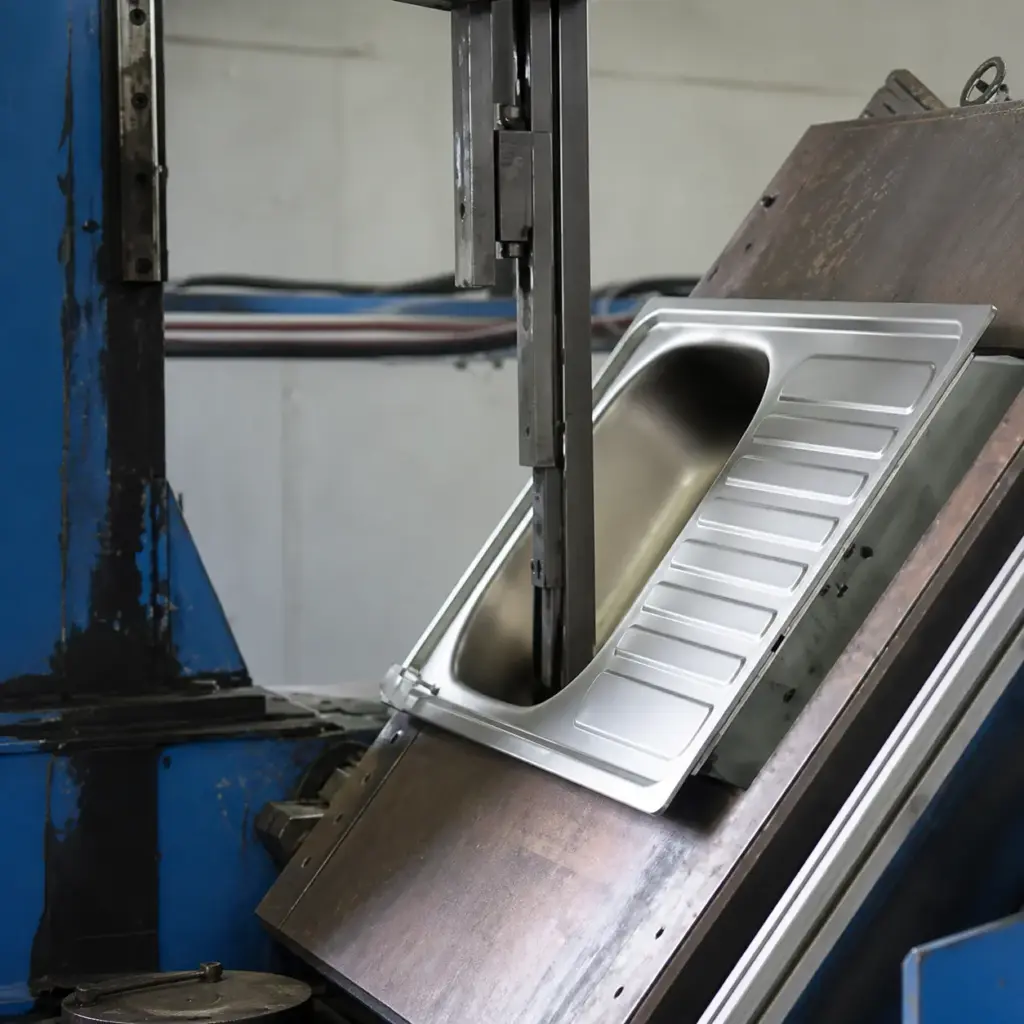
A sample proves the factory can make one. A control system proves it can make the same one again.
1. “Same as Last Order” Is Not a Specification
This is one of the most common repeat-order risks.
A new PO may simply say:
Same as previous order.
But several things may have changed since then:
- drawing
- material source
- accessory supplier
- finish batch
- carton artwork
- label
- production staff
If the approved details are not documented, the production team has to reconstruct the product from old files and memory.
2. The Drawing Revision Was Never Frozen
Suppose the sample process went through:
Rev.01
Rev.02
Rev.03
and the buyer finally approved Rev.03.
If the repeat order only says:
Model X-8050
the factory still needs to know:
which revision?
The production record should clearly connect the model to the latest approved drawing.
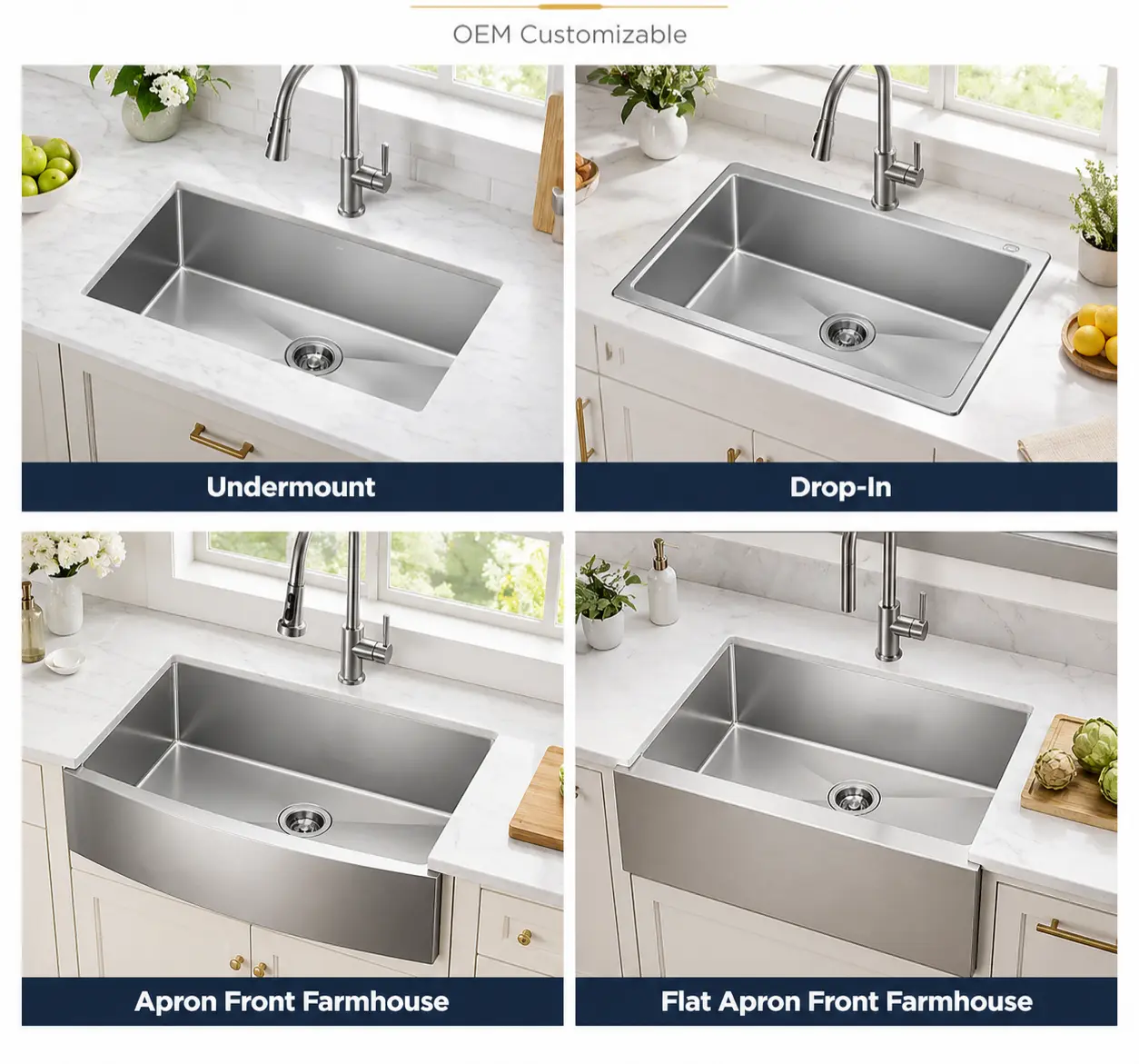
For custom programs, critical dimensions such as bowl size, depth, radius and drain position should not depend on an old email thread.
3. The Sample Was Approved, but the Actual Measurements Were Not Recorded
A sample may look correct.
But if nobody records:
- overall size
- bowl size
- depth
- thickness
- drain position
- rim
- critical tolerances
then repeat production has no measurable benchmark.
The physical sample is useful.
The measurement record makes it reproducible.
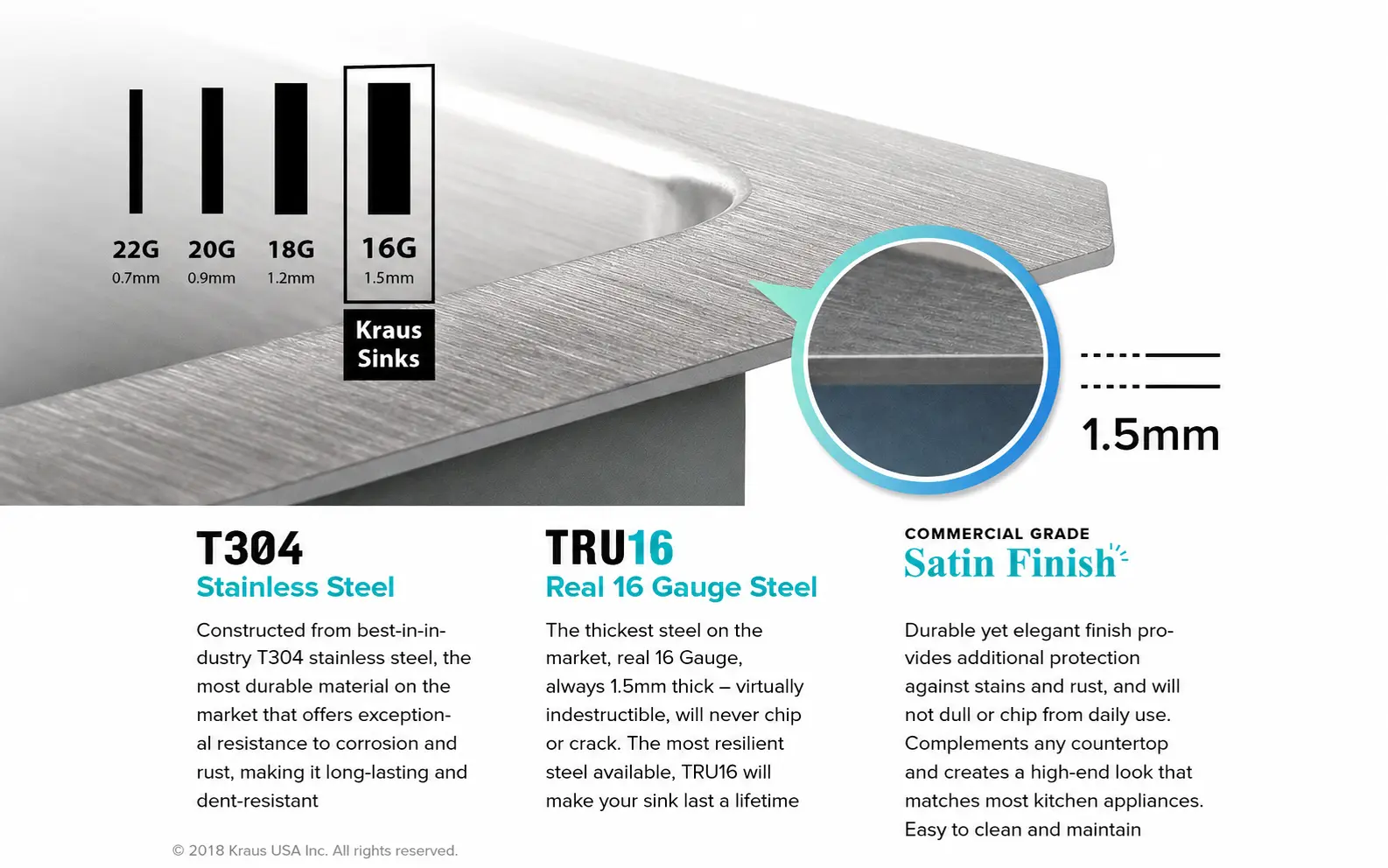
4. Material Was Described Too Loosely
For example:
SUS304, 0.8mm
may still leave questions.
Was the approved sample:
- 1.2 mm?
- 1.5 mm?
- incoming sheet thickness?
- finished thickness?
- different rim and bowl thickness?
If the material definition is vague, the repeat batch may technically follow the PO while still differing from the original sample.
See How to Specify Stainless Steel Sink Thickness in an RFQ.
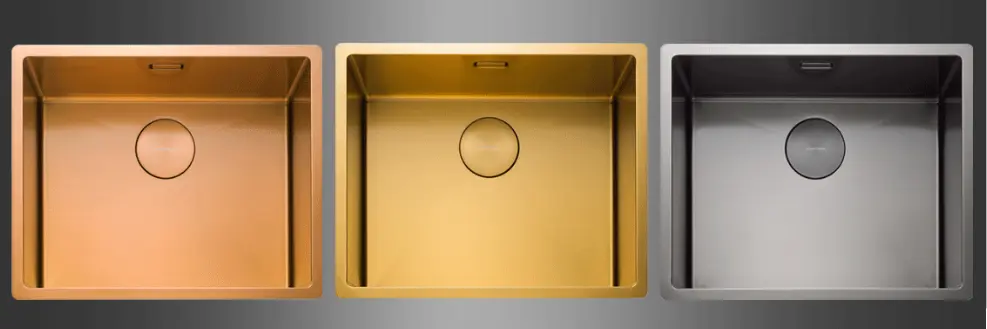
5. Finish Was Approved by Memory
This is especially risky for:
- PVD
- gunmetal
- gold
- black
- specialty brushed surfaces
If the buyer approves a sample but the factory does not retain a clear finish reference, the next batch may be compared with:
a photo from last year.
That is not a reliable visual standard.
Keep a physical approved finish reference where practical.
6. The Accessory Supplier Changed
The sink body can remain exactly the same while the complete SKU changes.
For example:
- new drain
- different bottom grid
- different cutting board
- different colander
- different soap dispenser
The replacement accessory may be:
- slightly different in size
- different in finish
- different in material
- packed differently
That can create a claim even when the sink itself is correct.
7. Workstation Products Are Especially Sensitive

A workstation sink depends on the relationship between:
sink + ledge + grid + cutting board + colander + drain.
A small accessory change can create:
- rocking
- binding
- poor fit
- drain interference
This is why workstation products should be approved as a system.
See Workstation Kitchen Sinks and the Workstation Sink Sample Approval Checklist.
8. The Drain Moved
Drain position can look like a small production detail.
But moving it can affect:
- plumbing
- bottom grid
- bowl usability
- workstation layout
- inspection dimensions
If the approved sample uses one location, the repeat drawing should record it explicitly.
Do not let:
rear drain
replace an actual dimension for a custom program.
9. Sound Pads or Undercoating Changed
These parts are easy to ignore because buyers usually inspect the top of the sink first.
Repeat production may change:
- pad size
- pad quantity
- pad position
- coating coverage
The sink can therefore look identical from above while the construction underneath is different.
If these details matter to the product specification, retain underside reference photos or drawings.
10. Packaging Was Never Treated as Part of the Golden Sample
The first sample may arrive safely because it was packed individually by the sales team.
Bulk production may follow a completely different packing route.
Potential differences include:
- foam thickness
- pcs per carton
- accessory placement
- rim protection
- protective film
- carton strength
A good sink can still become a bad delivery if the packing specification was never approved.
11. A Supplier Change Can Happen Inside the Same Factory
Repeat-order variation does not always mean the sink factory changed.
The factory may change a sub-supplier for:
- drain
- grid
- soap dispenser
- carton
- coating
- PVD
That is why important purchased components need a defined specification, not only a supplier name.
12. The Buyer Changed Something Without Updating the Master Specification
Repeat-order drift is not always caused by the factory.
A buyer may request:
move the logo slightly
change the grid
use another carton
adjust drain position
through separate emails.
If those changes never make it into one controlled specification, different departments may follow different instructions.
The safest approach is:
one current revision
rather than ten amendment emails.
13. What Should Be Frozen After Sample Approval?
At minimum:
Product
- model
- drawing revision
- overall dimensions
- bowl dimensions
- depth
- drain
- installation
Material
- SUS grade
- thickness
- construction
Appearance
- finish
- brushing
- logo
Components
- drain
- grid
- workstation accessories
- mounting accessories
Underside
- sound pads
- undercoating
Packing
- pcs / carton
- protection
- accessory position
- label
- barcode
- carton artwork
14. Use a Golden Sample — But Do Not Use Only a Golden Sample
A useful repeat-order system combines:
Golden Sample
Shows physical appearance and fit.
Approved Drawing
Controls geometry.
Specification Sheet
Controls material, thickness, finish and components.
Accessory List
Controls the complete SKU.
Packing Reference
Controls what arrives at the customer.
Inspection Record
Shows measurable acceptance points.
The first sample becomes much more valuable when these references are connected.
15. Review Repeat Orders Against the Latest Revision
Before starting a new production batch, ask:
What changed since the previous order?
Check:
- drawing revision
- finish
- accessories
- logo
- labels
- packaging
If nothing changed, confirm the existing revision.
If something changed, update the master specification before production.
This is much safer than trying to resolve differences after the goods are finished.
Repeat-Order Control Checklist
| Reference | What Should Be Frozen |
|---|---|
| Drawing | Latest revision |
| Dimensions | Critical measurements |
| Material | Grade + thickness |
| Finish | Approved reference |
| Logo | Method + position |
| Drain | Model + position |
| Accessories | Approved list |
| Sound Pads | Position / configuration |
| Undercoating | Approved reference |
| Packing | Protection + layout |
| Labels | SKU / barcode / artwork |
| Sample | Golden sample specs |
Buyer Takeaway
The first sample answers:
Can this product be made correctly?
The repeat order asks a harder question:
Can the approved product be reproduced without losing details between orders?
That requires more than a good sample.
It requires:
drawing + specification + reference sample + accessory record + packing record
working together.
If those references are frozen, repeat-order control becomes much less dependent on memory.
FAQ
Why can bulk production differ from an approved sample?
Because some sample details may never have been converted into controlled drawings, specifications, accessory records or packing requirements.
Is keeping a golden sample enough?
No. The physical sample should be supported by a drawing, specification, accessory list and packing reference.
What is the most important repeat-order document?
There is no single document that controls everything. The latest approved drawing and master product specification should work together.
Should accessories be included in repeat-order control?
Yes. A changed grid, drain or cutting board can create a claim even when the sink body itself has not changed.
Should packaging be frozen after sample approval?
Yes. Packing is part of the final delivered SKU and can affect both damage risk and private-label consistency.
Building a Repeatable OEM Sink Program?
Start with the Kitchen Sink Golden Sample Approval Checklist and connect the approved sample to measurable inspection references.
Matrix’s Kitchen Sink Quality Control & Inspection explains how material, dimensions, finish, accessories and packing can be reviewed against defined references.
For private-label repeat orders, see Private Label Product Programs.