Quick Answer
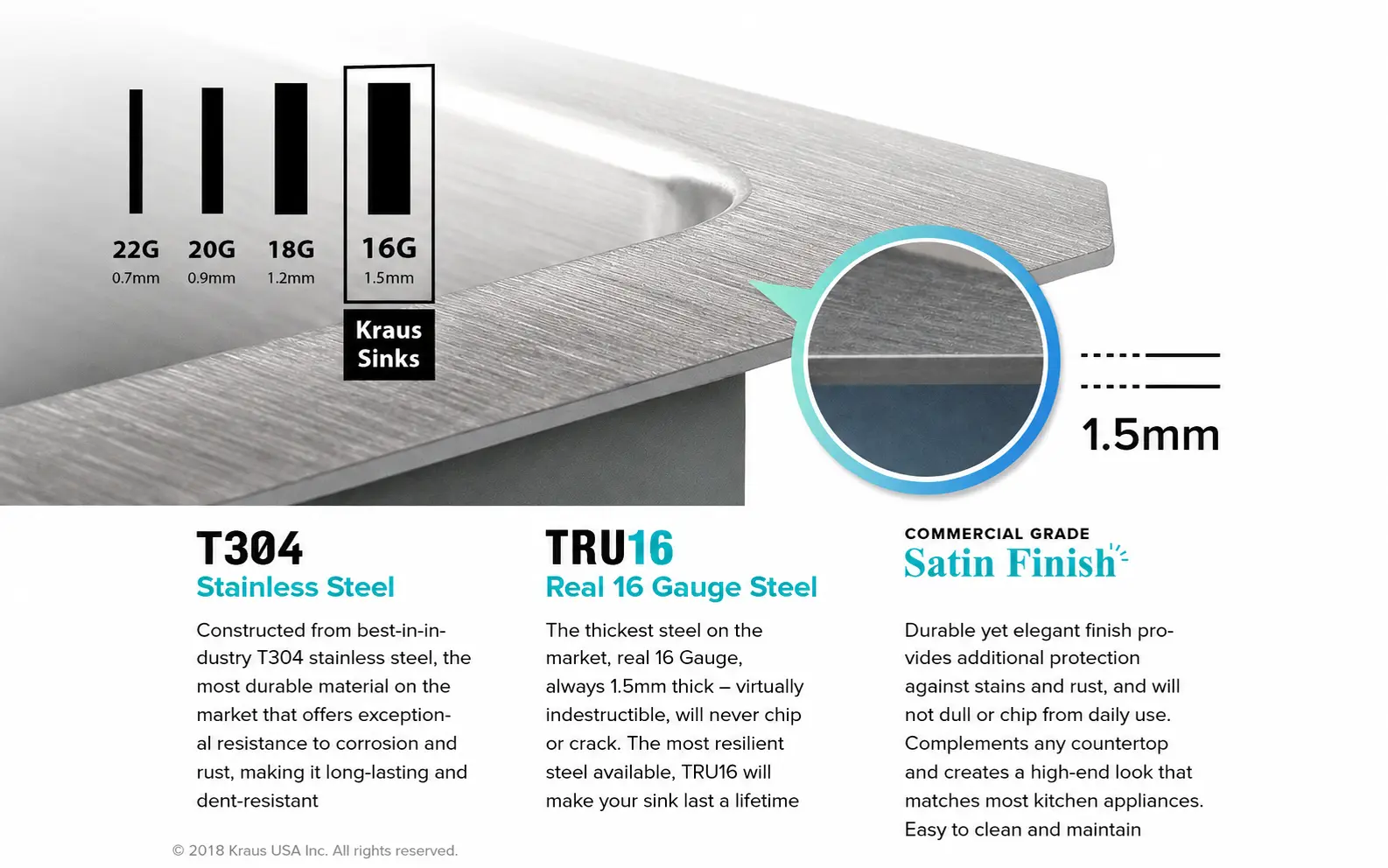
Two sinks can both be sold as 16 gauge and still have different weight.
The difference can come from:
- overall sink size
- bowl size and depth
- rim / flange width
- single vs double bowl structure
- handmade vs pressed production
- local thinning after pressing
- sound-deadening pads
- undercoating
- reinforcement
The key point is:
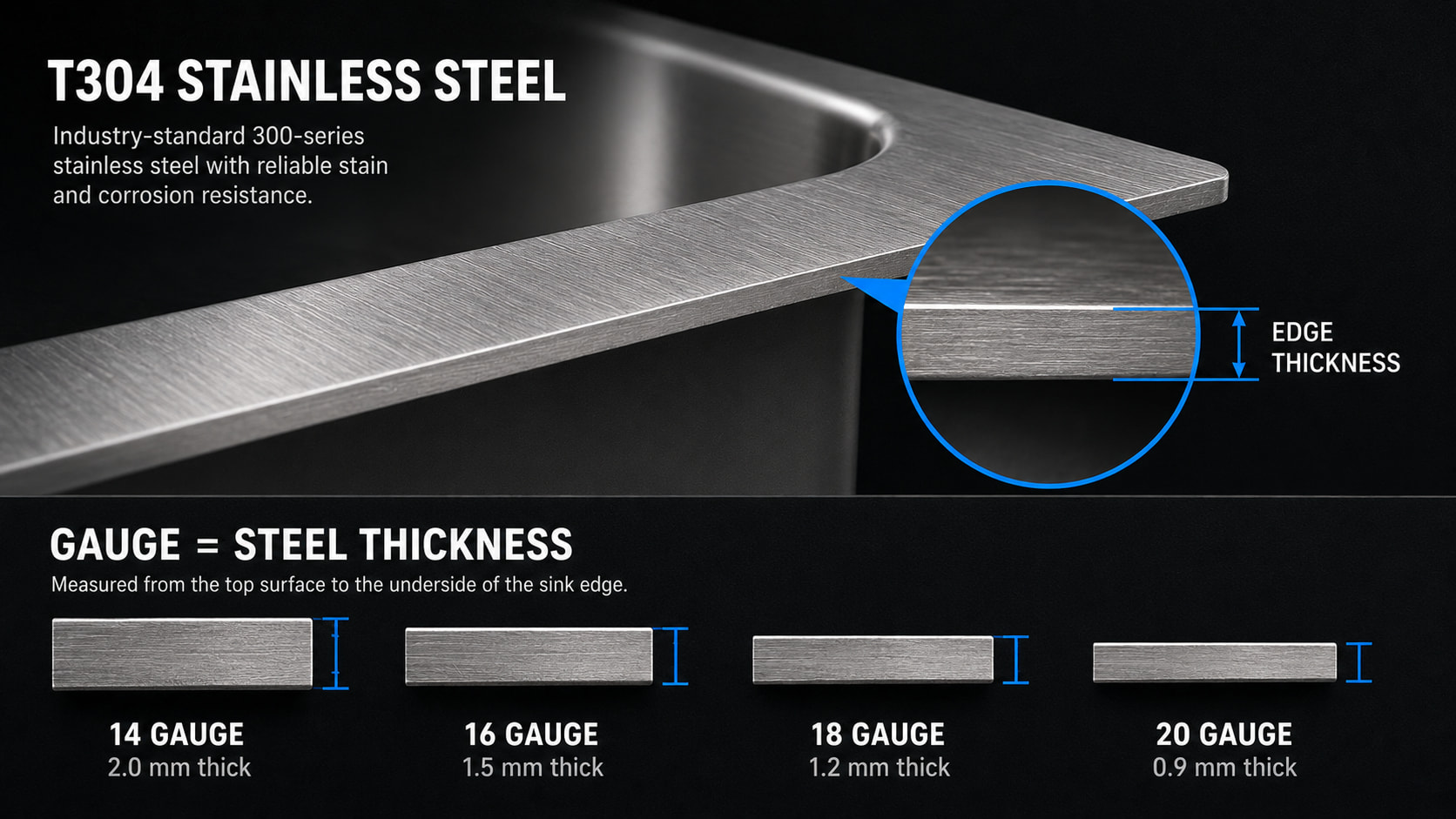
Gauge describes material thickness. Weight describes the whole sink.
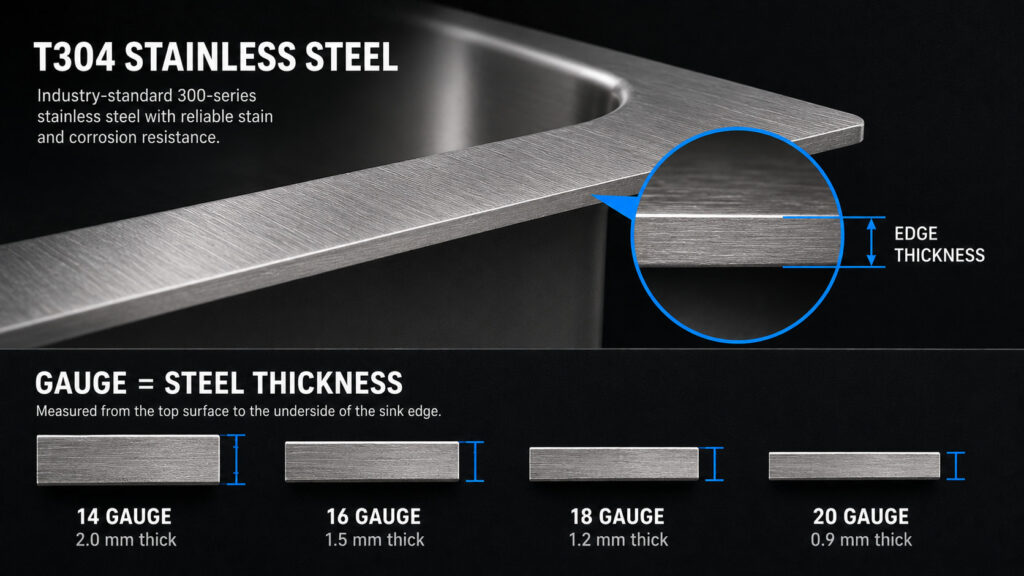
A heavier sink does not automatically prove that every part of the stainless steel is thicker.
If thickness matters, compare actual measurement points rather than sink weight alone.
1. Start with the Actual Sink Size
Two sinks may both be called:
30-inch, 16-gauge sink
but still use different amounts of stainless steel.
Compare:
- overall length
- overall width
- bowl length
- bowl width
- bowl depth
- flange width
A larger bowl or wider rim naturally increases weight even if the material thickness is exactly the same.
2. Bowl Depth Changes Material Consumption

A 220 mm deep bowl generally uses more material area than a 180 mm bowl with the same outside dimensions.
So this comparison:
Sink A: 800 × 500 × 180 mm
Sink B: 800 × 500 × 220 mm
is not a true weight comparison based on gauge alone.
The deeper sink can weigh more simply because more stainless steel is required to form or fabricate the bowl.
3. Rim and Flange Structure Matter
The upper structure of a sink can change total weight significantly.
For example:
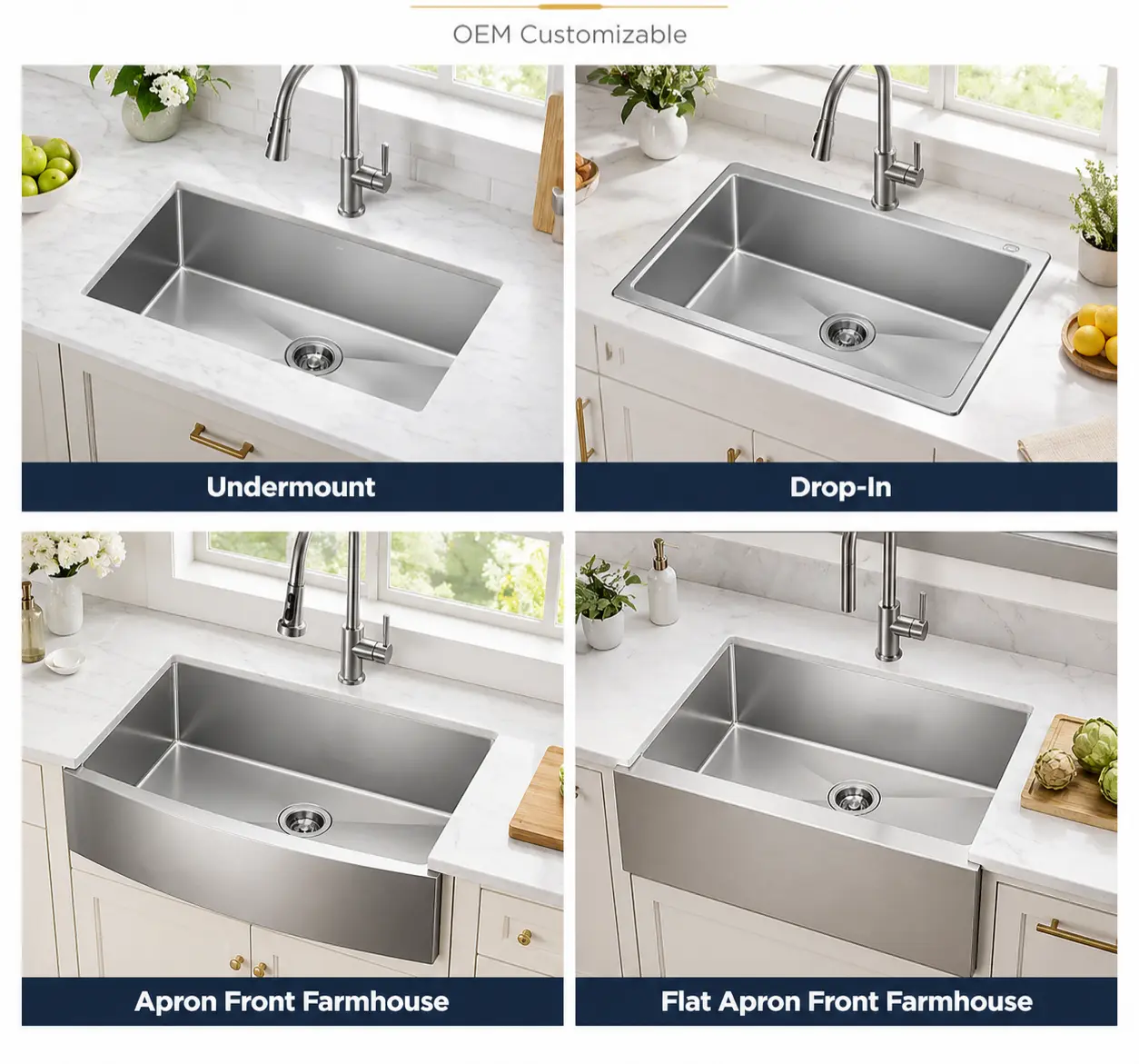
- narrow undermount flange
- wide top-mount rim
- reinforced edge
- thick handmade upper plate
- workstation ledge
can all change how much stainless steel is used.
A handmade sink may also use:
1.2 mm bowl + thicker reinforced rim
while another uses the same thickness throughout.
Both may still be marketed under the same gauge category.
4. Handmade and Pressed Sinks Should Not Be Compared by Weight Alone
A handmade sink is typically:
cut
→ bent
→ welded
→ ground
→ polished
A pressed sink is:
sheet
→ deep drawn
→ formed
→ trimmed
→ finished
The finished geometry is different.
For pressed sinks, stainless steel can stretch during forming, so thickness may vary across the bowl.
That means:
a heavy pressed sink can still have thinner local areas after drawing.
For more detail, see:
Stainless Steel Sink Manufacturing Process
and
5. A 16-Gauge Label Does Not Tell You Where It Was Measured
This is one of the biggest sourcing mistakes.
A supplier may measure:
- incoming sheet
- flange
- bowl sidewall
- bowl bottom
and describe the sink using the same nominal gauge.
But those values are not necessarily identical.
This matters particularly for pressed sinks because the flange normally experiences less forming than deeper parts of the bowl.
So:
1.5 mm at the flange
does not automatically mean:
1.5 mm minimum throughout the sink.
6. Sound Pads and Undercoating Add Weight
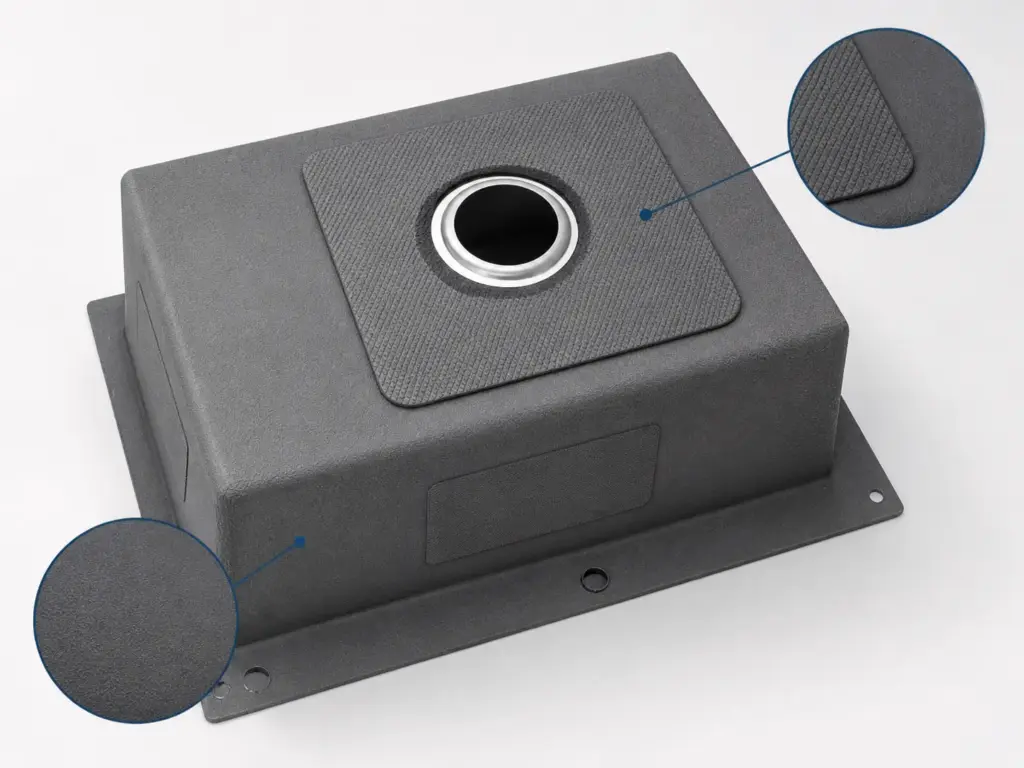
Sink weight may also include materials that are not stainless steel.
Typical additions include:
- sound-deadening pads
- anti-condensation coating
- reinforcement
- mounting components
A sink with larger sound pads may weigh more even though the stainless steel itself is not thicker.
This is why buyers should compare:
bare stainless steel specification
separately from:
finished product weight.
7. Make Sure You Are Comparing Net Sink Weight
Before comparing two supplier quotations, ask what the listed weight actually means.
It could be:
- bare sink weight
- sink + drain
- sink + accessories
- net carton weight
- gross carton weight
These are completely different numbers.
For sourcing comparison, the useful figure is usually:
net sink body weight
with accessories and packing excluded.
8. Weight Is Useful — Just Not as a Thickness Test
Weight still has value.
It can help identify unexpected differences between:
- approved sample
- first bulk order
- repeat order
For example, if the same model suddenly becomes significantly lighter, that deserves investigation.
But weight should be treated as a screening signal.
It should not replace direct thickness measurement.
9. A Better Way to Compare Two 16-Gauge Sinks
Before deciding that one sink is “heavier and therefore better,” normalize these items:
| Item | Sink A | Sink B |
|---|---|---|
| Overall Size | ||
| Bowl Size | ||
| Bowl Depth | ||
| Handmade / Pressed | ||
| Starting Thickness | ||
| Finished Thickness | ||
| Rim Structure | ||
| Sound Pads | ||
| Undercoating | ||
| Net Sink Weight |
If these specifications are different, weight alone does not tell you which sink has the better material specification.
10. If Thickness Is Critical, Measure the Sink
For handmade sinks, useful measurement points may include:
- bowl wall
- bowl bottom
- rim
- reinforced structure
For pressed sinks, consider:
- flange
- upper sidewall
- middle sidewall
- lower sidewall
- bottom radius
- bowl bottom
The exact points should match the sink geometry.
For pressed products especially, a measurement map is more useful than a single thickness reading.
Buyer Takeaway
Do not ask only:
Which 16-gauge sink is heavier?
Ask:
Are these two sinks actually the same size, structure and thickness specification?
Weight can change because of dimensions, bowl depth, rim design, sound pads and coating.
If you need to verify stainless steel thickness, measure the steel at defined locations.
Do not use total sink weight as a substitute.
FAQ
Why is one 16-gauge sink heavier than another?
Because gauge is only one variable. Overall dimensions, bowl depth, rim structure, reinforcement, sound pads and undercoating can all change finished weight.
Does a heavier sink mean thicker stainless steel?
Not necessarily. A larger or deeper sink can weigh more while using the same or even thinner stainless steel in some areas.
Can two 16-gauge pressed sinks have different finished thickness?
Yes. Deep drawing can redistribute and thin the material differently depending on bowl geometry, depth and forming conditions.
Should I compare sink weight when approving a supplier?
Yes, but only as one reference point. It should be used together with dimensions, material specification and direct thickness measurements.
Where should I measure sink thickness?
Measurement locations depend on the sink structure. For pressed sinks, use several points across the flange, sidewall, lower radius and bowl bottom rather than one reading only.
Comparing Sink Specifications?
Use the Kitchen Sink RFQ Checklist to define dimensions, material, thickness, installation, finish and quantity before comparing supplier quotations.
For thickness-sensitive projects, also see:
How to Specify Stainless Steel Sink Thickness in an RFQ
and