Quick Answer
An approved kitchen sink sample proves that the required product can be made.
It does not automatically prove that the same result will be reproduced consistently under normal mass-production conditions.
When an OEM stainless steel sink moves from sample approval to bulk production, buyers should confirm that the approved product definition is transferred into the actual production process, including:
- Latest drawing and specification revision
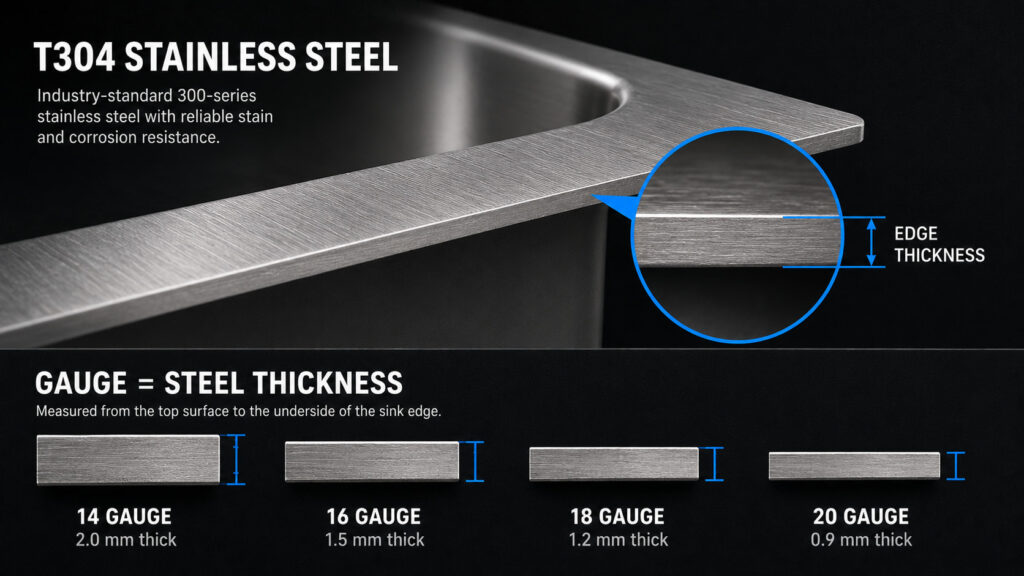
- Material and thickness requirements
- Manufacturing route
- Production fixtures or tooling
- Surface finish reference
- Accessory configuration
- Packaging standard
- QC method
- Change-control rules
The important distinction is:
A sample answers: “Can this product be made?”
Mass production answers: “Can this product be made repeatedly under normal production conditions?”
For OEM buyers, sample approval is therefore not the end of product development.
It is the starting reference for production control.
Why Can An Approved Sample And Mass Production Be Different?
At first glance, this seems counterintuitive.
If the sample is approved and the drawing has not changed, why should the bulk order be different?
Because sample production and mass production do not always operate under exactly the same conditions.
A sample may involve:
- One or a few pieces
- Closer manual adjustment
- Selected components
- Individual accessory matching
- Extra visual attention
- More time spent on one sink
Mass production introduces a different question:
Can the same approved result be reproduced across:
- A full material batch
- Normal operators
- Production fixtures
- Multiple workstations
- Normal finishing conditions
- Accessory lots
- Packing operations
- Routine QC
This does not mean mass production should be worse than the sample.
It means:
The product standard must be transferred from one approved piece into a repeatable production system.
That transfer is where many OEM programs become vulnerable.
Sample Approval And Production Approval Are Not The Same Thing
A sample is primarily a product reference.
Mass production requires both:
- A controlled product reference
- A controlled manufacturing process
These answer different questions.
| Approval Stage | Main Question |
|---|---|
| Drawing approval | Is the intended product correctly defined? |
| Sample approval | Does the physical product match the intended result? |
| Mass-production validation | Can normal production reproduce that approved result? |
| Repeat-order control | Can the approved result remain stable across future orders? |
This distinction is important.
A buyer can approve a very good sample and still experience problems later if the factory has not clearly transferred the approved requirements into production.
Related: Kitchen Sink Golden Sample Approval Checklist
What Should Stay The Same From Sample To Mass Production?
The safest approach is to identify what has actually been approved.
For an OEM kitchen sink program, that may include:
- Drawing revision
- Material grade
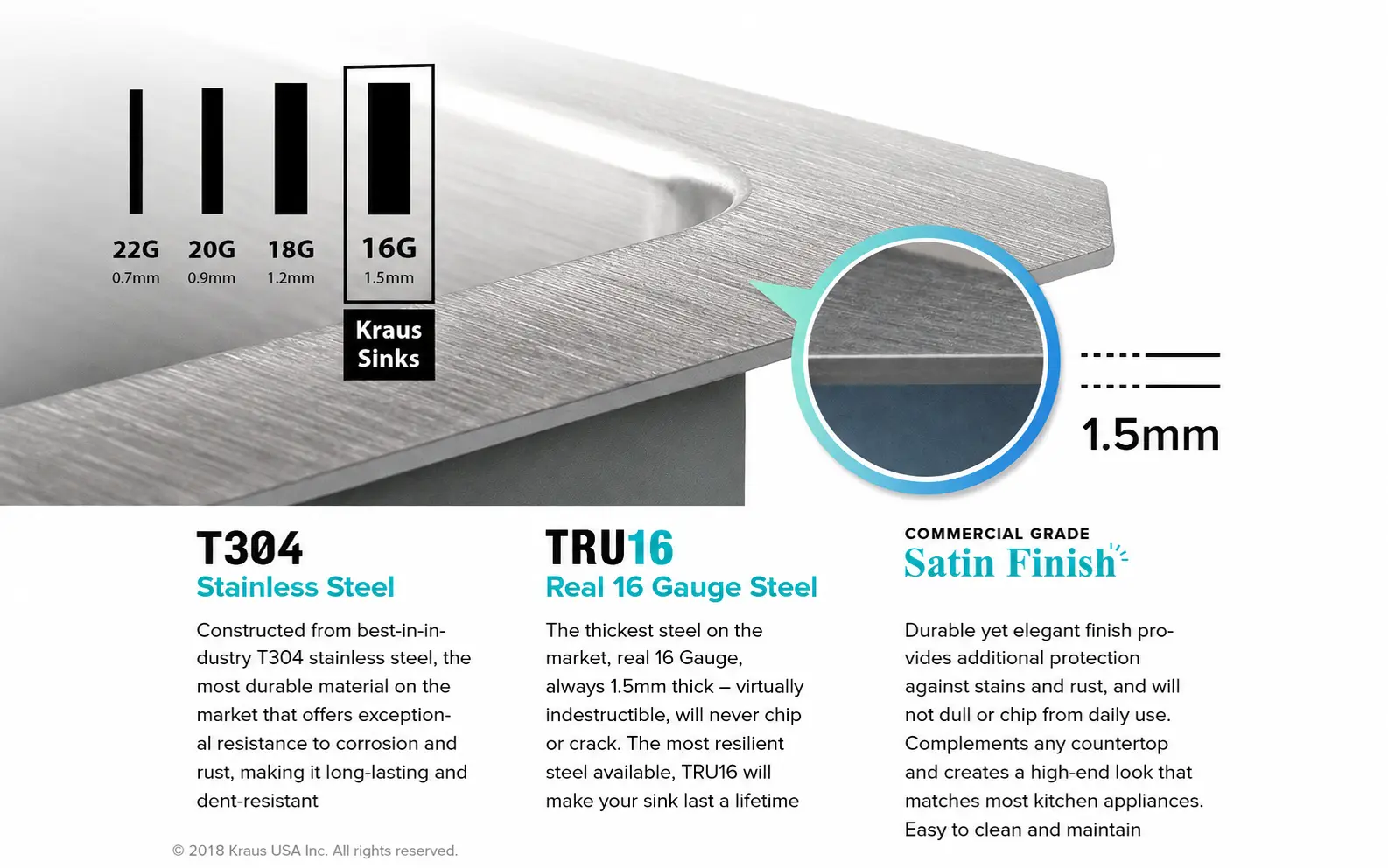
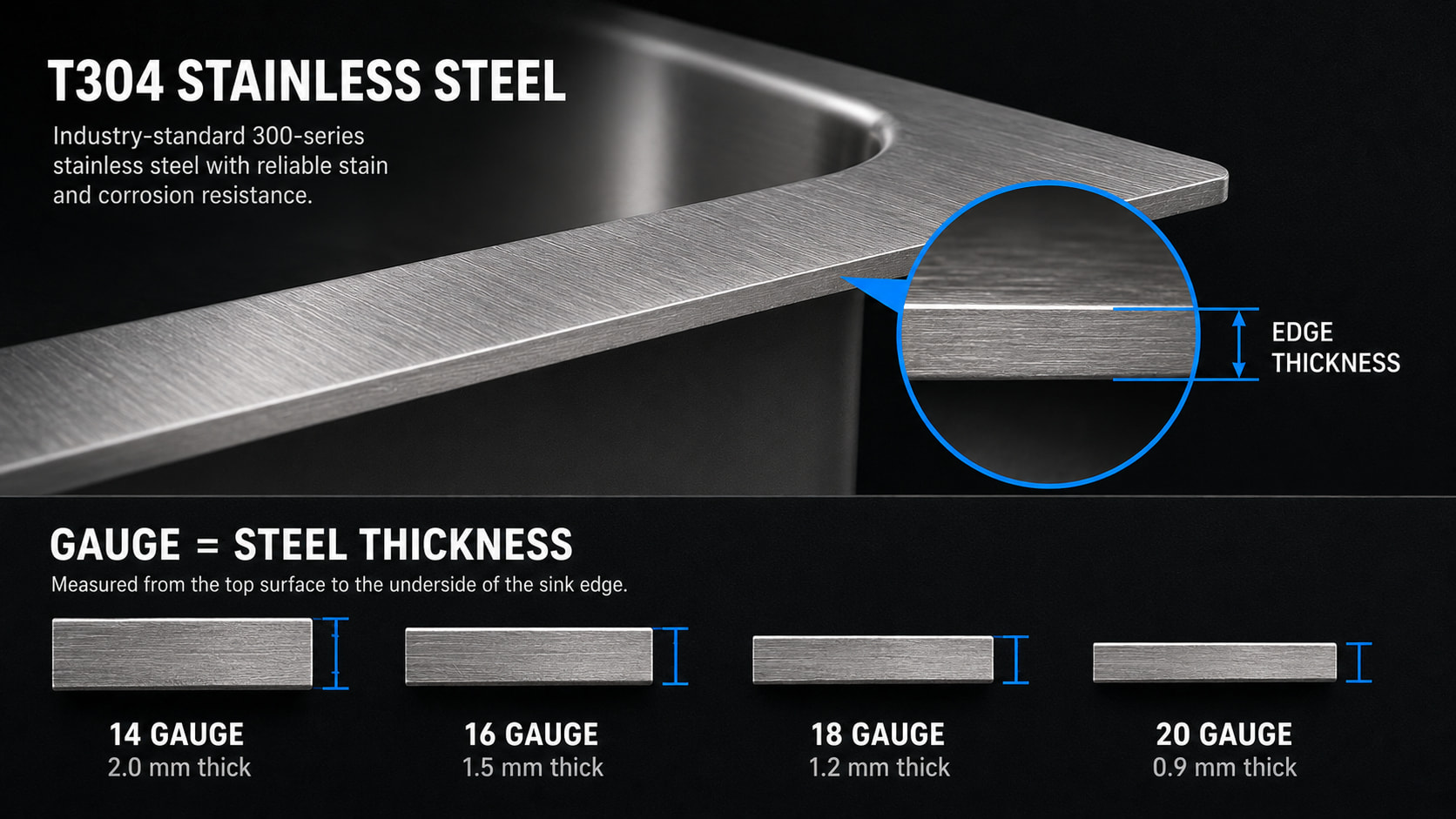
- Thickness requirement
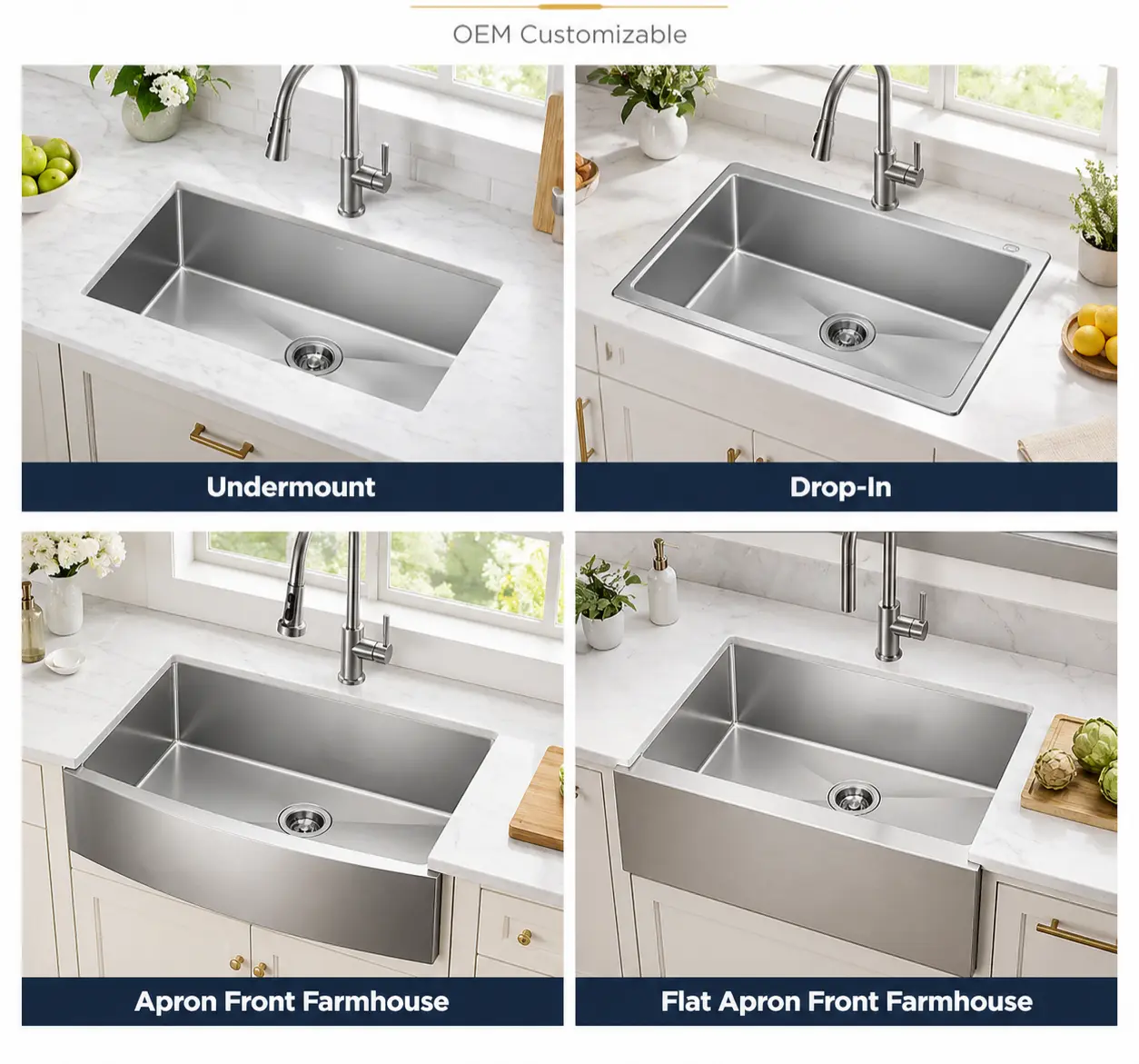
- Installation method
- Bowl geometry
- Drain position
- Surface finish
- Accessory configuration
- Logo or label
- Packaging method
- QC reference
The more clearly these references are controlled, the easier it is to determine whether mass production still matches the approved product.
A useful principle is:
The sample should not exist as an isolated object. It should be connected to the specification, BOM, finish reference, packaging standard and QC criteria that define the SKU.
1. Re-Confirm The Drawing And Specification Revision
Before bulk production begins, the factory should be working from the latest approved product information.
This sounds obvious, but OEM projects often go through multiple changes during sampling.
For example:
Version 1 may change:
- Bowl depth
Version 2 may change:
- Drain position
Version 3 may change:
- Accessory configuration
Version 4 may finally receive approval.
If the physical sample is approved but production documents are not updated to the same revision, the sample and production standard can become disconnected.
Before mass production, confirm:
- Latest drawing revision
- Latest specification
- Approved accessory list
- Approved finish
- Approved packaging version
The important question is:
Which exact product definition does the approved sample represent?
Not:
Do we still have the original drawing?
Related: Kitchen Sink OEM Buying Guide
2. Confirm That Mass Production Uses The Intended Manufacturing Route
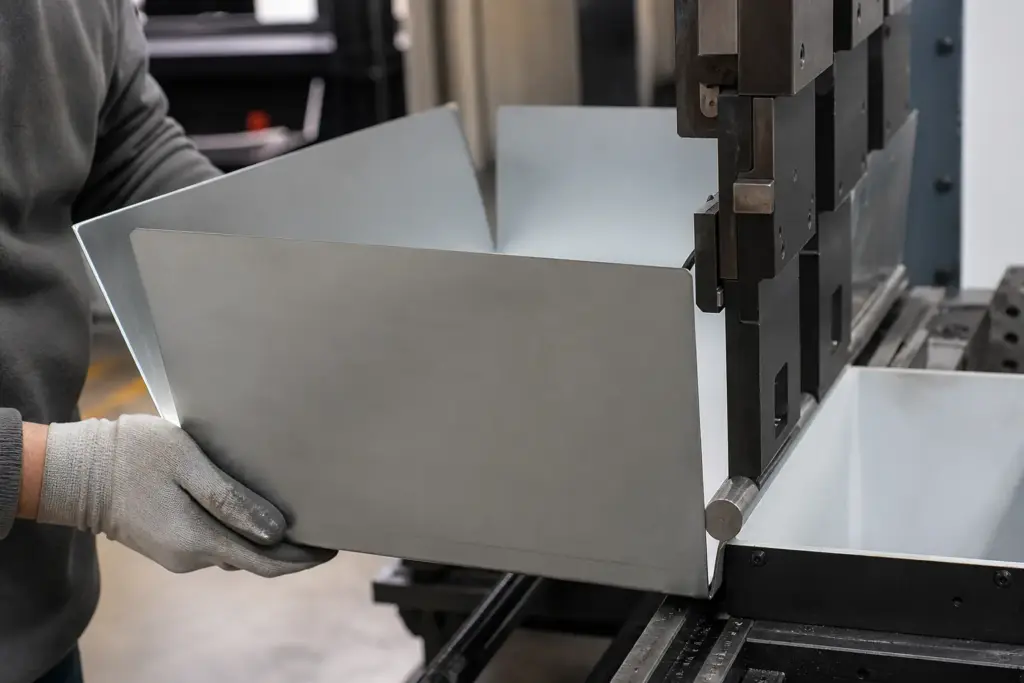
The manufacturing route used for the approved sample should be understood before production is scaled.
For stainless steel sinks, this may involve:
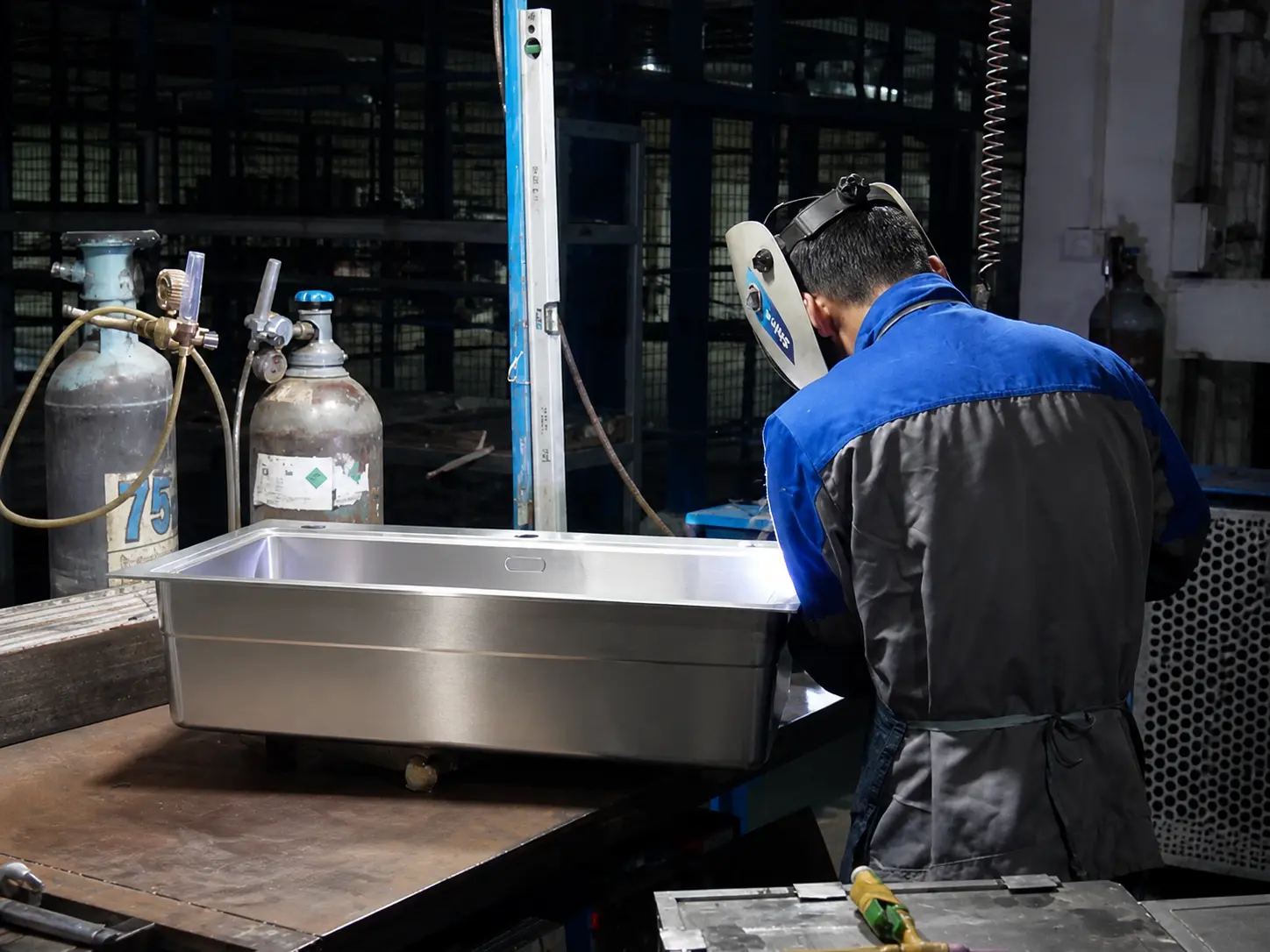
- Handmade fabrication
- Pressed / drawn production
- Existing tooling
- Dedicated tooling
- Specific welding or fabrication sequence
This matters because manufacturing route affects:
- Geometry
- Flatness
- Forming behavior
- Welding distortion
- Thickness distribution
- Production repeatability
For example, a handmade sample may be adjusted manually during development.
Once the product enters normal production, the manufacturer should be able to reproduce the same critical dimensions without relying on repeated one-off corrections.
Similarly, a pressed sample should represent the intended production tooling and forming route rather than only a temporary development condition.
This is why buyers should ask:
Is the approved sample representative of the process that will actually be used for the bulk order?
3. Material Control Moves From One Piece To A Material Lot
During sample approval, a buyer may inspect one finished sink.
Mass production introduces a broader material question.
The factory now needs to control material across a larger production quantity.
For stainless steel sink programs, relevant points may include:
- Material grade
- Incoming sheet thickness
- Surface condition
- Batch identification
- Forming behavior
For pressed sinks in particular, incoming thickness and finished thickness should not automatically be treated as the same measurement.
Deep drawing can redistribute material across the formed bowl.
The approved sample therefore does not eliminate the need for incoming-material and finished-product control during bulk production.
A useful distinction is:
Sample approval confirms the result of one material set. Production control confirms that the approved material requirement continues across the batch.
Related:How Pressed Sink Forming Changes Stainless Steel Thickness
4. Critical Dimensions Need A Production Measurement Method
During sample development, dimensions may be checked carefully because only one or a few sinks are involved.
Bulk production requires a repeatable inspection method.
This is especially important for CTQ — Critical-to-Quality — dimensions.
Depending on the sink, these may include:
- Overall length and width
- Bowl opening
- Bowl depth
- Rim width
- Rim flatness
- Drain position
- Workstation ledge
- Installation interface
The production team should know:
- What should be measured?
- Where should it be measured?
- How should it be measured?
- Which drawing or reference controls acceptance?
A dimension without a defined measurement method can still create disagreement.
This is especially important when the feature affects:
- Countertop fit
- Cabinet clearance
- Accessory compatibility
- Installation claims
The goal is not to measure every dimension with the same level of control.
The goal is to identify which dimensions can change the usability or acceptance of the product.
5. Surface Finish Must Move From “Approved Appearance” To A Repeatable Reference
Surface finish is another area where sample approval can create false confidence.
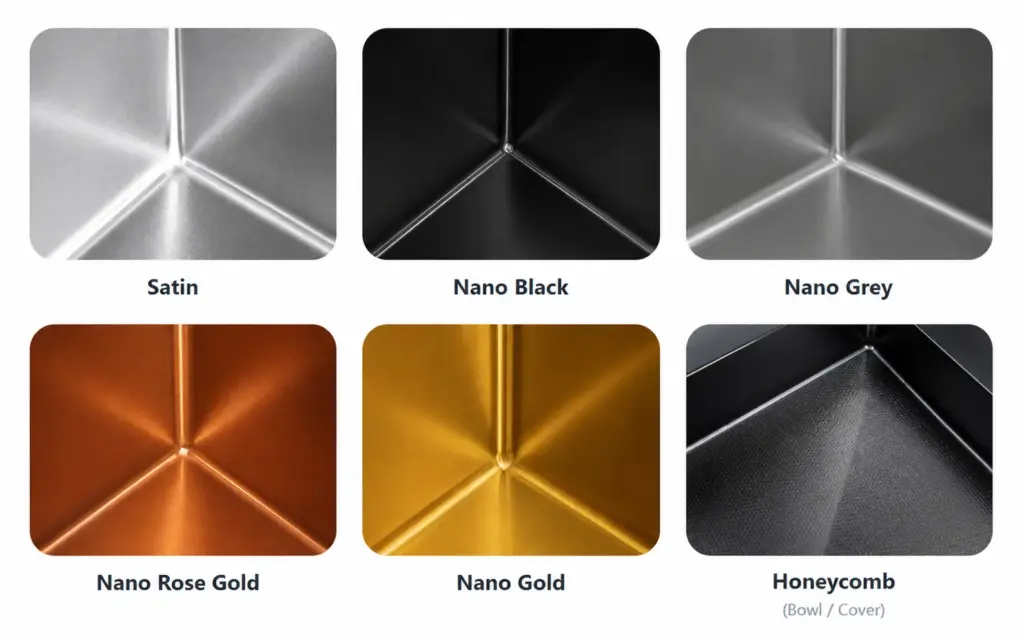
A buyer may approve one brushed or colored sink because the appearance is correct.
Bulk production must then reproduce that appearance across a production batch.
For brushed stainless steel sinks, variation can come from:
- Surface preparation
- Brushing method
- Abrasive condition
- Brushing direction
- Inspection lighting
For colored or PVD sinks, additional variables may include:
- Color reference
- Batch variation
- Accessory color matching
- Protective handling
- Packaging contact
This is why:
Approving one attractive surface is different from defining a repeatable surface standard.
Before bulk production, the factory and buyer should know what reference controls the finish:
- Golden sample
- Approved finish sample
- Physical color reference
- Defined visual inspection condition
A finish name alone may not be enough.
6. Accessory Approval Must Become Interface Control
This is particularly important for workstation sinks.
During sample development, one cutting board may be matched to one sink.
One colander may fit correctly.
One bottom grid may align with one drain.
That proves one matched configuration.
Mass production creates a harder requirement:
Will accessories remain compatible across normal production variation?
Relevant interfaces can include:
- Workstation ledge width
- Opening dimensions
- Corner radius
- Cutting-board dimensions
- Colander dimensions
- Grid feet position
- Drain position
This leads to an important distinction:
One matched sample proves compatibility between two pieces. Mass production must prove interchangeability across production.
For an OEM workstation sink program, accessories should therefore be treated as part of the SKU rather than as unrelated add-ons.
Related: Workstation Kitchen Sinks
7. Packaging Must Also Be Transferred Into Production
Packaging is often approved late in the development process.
That can create problems if the product sample is approved first but the production packaging is finalized separately.
Mass-production packaging should confirm:
- Carton structure
- Foam or protective material
- Accessory position
- Surface protection
- Label
- Barcode
- Model identification
- Packing quantity
Packaging matters because a sink can leave production within specification and still arrive damaged.
Potential problems include:
- Rim impact
- Surface abrasion
- Accessory contact
- Movement inside the carton
- Wrong accessory packing
For private-label or retail programs, packaging is also part of the commercial SKU.
So:
The approved sink and the approved packing should be treated as one shipping configuration.
8. QC Must Change From Sample Inspection To Production Control
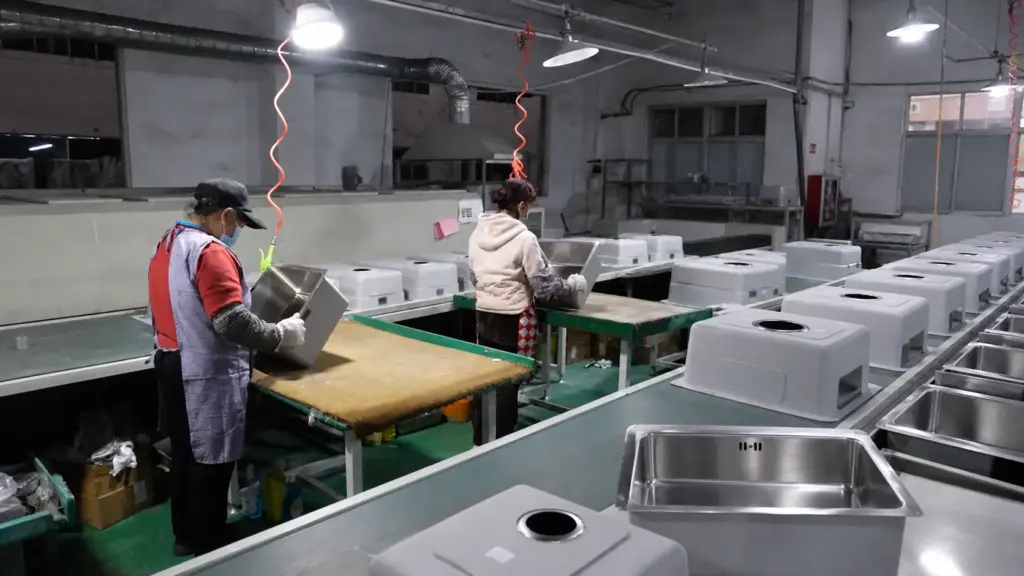
Inspecting one sample and controlling hundreds or thousands of production pieces are different tasks.
Sample inspection asks:
Is this piece acceptable?
Production QC asks:
Is the process consistently producing acceptable pieces?
That requires identifying:
- Incoming checks
- In-process checks
- Final inspection points
- Critical dimensions
- Appearance criteria
- Accessory checks
- Packing checks
The factory should not simply compare the final order against memory of the sample.
Production should be controlled against:
- Approved drawing
- Approved specification
- Golden sample
- Finish reference
- Accessory reference
- Packaging standard
Related: Kitchen Sink Quality Control & Inspection
What Can Change From Sample To Mass Production Without Changing The Drawing?
This is an important question because not every production difference appears on the main sink drawing.
The drawing may remain unchanged while other parts of the SKU change.
Examples include:
| Possible Change | Drawing May Stay The Same? | Re-Validation May Be Needed? |
|---|---|---|
| Stainless steel source | Yes | Depending on product impact |
| Surface finish process | Yes | Yes if appearance changes |
| Drain supplier | Yes | Yes if fit / sealing changes |
| Cutting board | Yes | Yes if workstation fit changes |
| Bottom grid | Yes | Yes if alignment changes |
| Sound pad | Yes | Depending on requirement |
| Carton | Yes | Yes if protection changes |
| Label / barcode | Yes | Document approval may be enough |
| Packing layout | Yes | Yes if product protection changes |
This is why:
An unchanged drawing does not automatically mean an unchanged SKU.
The main drawing is only one part of product control.
What Should Be Re-Approved Before The First Bulk Order?
Not every project requires the same approval process.
However, the first mass-production order should normally have clear references for the items that matter to the product.
A practical review may include:
| Control Area | Approval Reference |
|---|---|
| Geometry | Latest approved drawing |
| Material | Confirmed grade / thickness requirement |
| Finish | Golden sample or finish reference |
| Accessories | Approved accessory configuration |
| Installation interface | Drawing + sample verification |
| Packaging | Approved packing standard |
| Label / barcode | Approved artwork |
| QC | Defined inspection criteria |
The purpose is not paperwork for its own sake.
The purpose is making sure the production team and the buyer are controlling the same product.
Three Common Sample-To-Mass-Production Mistakes
Mistake 1: Treating The Approved Sample As The Entire Specification
A physical sample is important.
But a sample cannot communicate every controlled parameter by itself.
For example, it may not clearly show:
- Material lot requirements
- Drawing revision
- Accessory code
- Packaging version
- Inspection method
The strongest approval system connects the physical sample with controlled documents.
Mistake 2: Assuming A Good Sample Automatically Proves Production Capability
One good sink proves the product can be produced.
It does not by itself prove that a production line can reproduce the same result consistently.
The first bulk order therefore tests more than product appearance.
It tests:
- Process consistency
- Material control
- Operator execution
- Accessory consistency
- Inspection discipline
Mistake 3: Allowing Small Production Changes Without Reviewing Their Impact
A factory may consider a component change minor.
The buyer may experience it as a product change.
For example:
Changing a drain supplier may affect:
- Fit
- Sealing
- Appearance
Changing a cutting board may affect:
- Workstation fit
- Packaging
Changing a finish process may affect:
- Color
- Texture
- Repeat-order consistency
The correct question is not:
Is this a small change?
It is:
Does this change affect an approved product requirement?
Sample Approval, Mass Production And Repeat Orders Are Three Different Quality Tests
These stages are related, but they should not be confused.
Sample Approval
Answers:
Can the intended product be made correctly?
First Mass Production
Answers:
Can the normal production process reproduce the approved product across a batch?
Repeat Orders
Answers:
Can the same controlled product remain stable across future production cycles?
This distinction is especially important for private-label brands, importers and distributors maintaining the same SKU over multiple orders.
A supplier that can create a good sample has demonstrated development capability.
A supplier that can reproduce it consistently has demonstrated production control.
A Practical Sample-To-Mass-Production Transfer Process
Step 1 — Freeze The Approved Product Definition
Confirm:
- Latest drawing
- Material
- Finish
- Accessories
- Packaging
- Approval reference
↓
Step 2 — Confirm The Production Route
Verify:
- Handmade / pressed
- Tooling
- Production fixtures
- Critical process requirements
↓
Step 3 — Define CTQs
Identify the dimensions and interfaces that can affect:
- Installation
- Fit
- Appearance
- Function
↓
Step 4 — Transfer The Golden Sample And References
Connect the approved sample with:
- Drawing revision
- Finish reference
- Accessory configuration
- Packaging standard
↓
Step 5 — Define Production QC
Confirm:
- Incoming checks
- In-process checks
- Final inspection
- Packing verification
↓
Step 6 — Review The First Bulk Production
Compare the production output against the approved product definition rather than only comparing it visually with one sample.
How Matrix Connects Sample Approval With Mass Production

Matrix Manufacture Co., Ltd. supports custom both ODM and OEM, manufacturing handmade and pressed stainless steel sinks for importers, distributors, kitchen & bath brands, wholesalers and project suppliers.
For OEM and private-label projects, the important transition is not only:
Sample Approved
↓
Bulk Order
The production chain should connect:
Buyer Requirement
↓
Approved Drawing
↓
Manufacturing Route
↓
Golden Sample
↓
Production Control
↓
QC Reference
↓
Repeat Order
This approach is particularly important for specification-sensitive products such as:
- Custom handmade sinks
- Pressed OEM models
- Replacement sinks
- Deep sinks
- Workstation sinks
- Private-label sink programs
The objective is not to make the production process more complicated.
It is to prevent critical product information from being lost between development and normal production.
FAQ
Does an approved kitchen sink sample guarantee the same mass-production result?
No.
An approved sample confirms one physical result. Mass production still needs controlled materials, manufacturing processes, accessories, inspection standards and packaging to reproduce that result consistently.
What should buyers confirm before moving a kitchen sink from sample to bulk production?
Buyers should confirm the latest drawing and specification, manufacturing route, material requirement, finish reference, accessory configuration, packaging standard, golden sample and QC criteria.
Why can mass-produced kitchen sinks differ from the approved sample?
Differences can result from material batches, normal production methods, finishing conditions, accessory lots, manufacturing variation or uncontrolled changes that were not part of the original sample approval.
Should a kitchen sink golden sample be kept after mass production starts?
Yes, where appropriate.
A golden sample can remain an important physical reference for appearance, workmanship and configuration, but it should be linked to controlled drawings, specifications and QC requirements.
Does every production change require a new kitchen sink sample?
No.
The approval method should depend on what changed and whether the change affects geometry, fit, function, appearance, installation, packaging or another approved product requirement.
Some changes may only require document approval, while others may require physical validation.
What is the difference between sample approval and repeat-order control?
Sample approval confirms that the intended product can be produced.
Repeat-order control confirms that the same approved product definition remains stable across future production cycles.
The first mass-production order sits between these two stages because it validates whether normal production can reproduce the approved sample consistently.
Buyer Takeaway
The biggest mistake is treating sample approval as the end of product development.
It is not.
Sample approval creates the reference.
Mass production must prove that the manufacturing process can reproduce that reference under normal production conditions.
For OEM kitchen sink buyers, the key transition is:
Approved Product
→
Controlled Production Process
→
Consistent Bulk Output
The simplest way to remember the difference is:
A sample proves that the sink can be made.
Mass production proves that the process can keep making it.