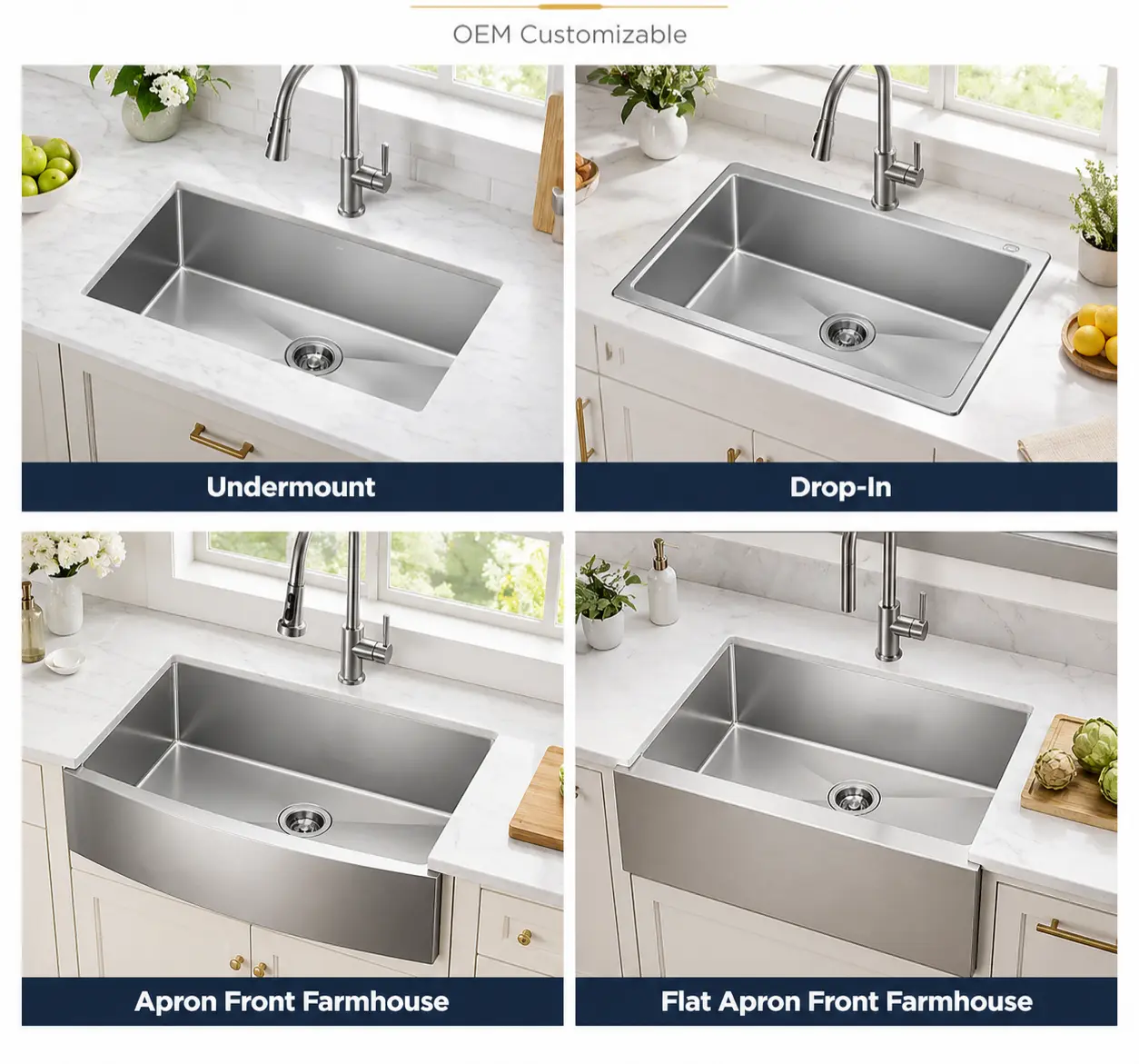
Not every kitchen sink defect carries the same risk.
A scratch, a leaking weld and a wrong drain position should not be treated as equivalent simply because all three are “defects.”
For buyers and QC teams, defect severity should be based on what the problem does to the finished product.
Quick Answer: How Should Kitchen Sink Defects Be Classified?
Kitchen sink defects should be classified according to their effect on:
- safety
- leakage
- installation
- function
- accessory fit
- product identity
- customer-visible appearance
A practical approach is:
Critical Defect
A defect that can create a serious safety, leakage or unusable-product condition.
Examples may include:
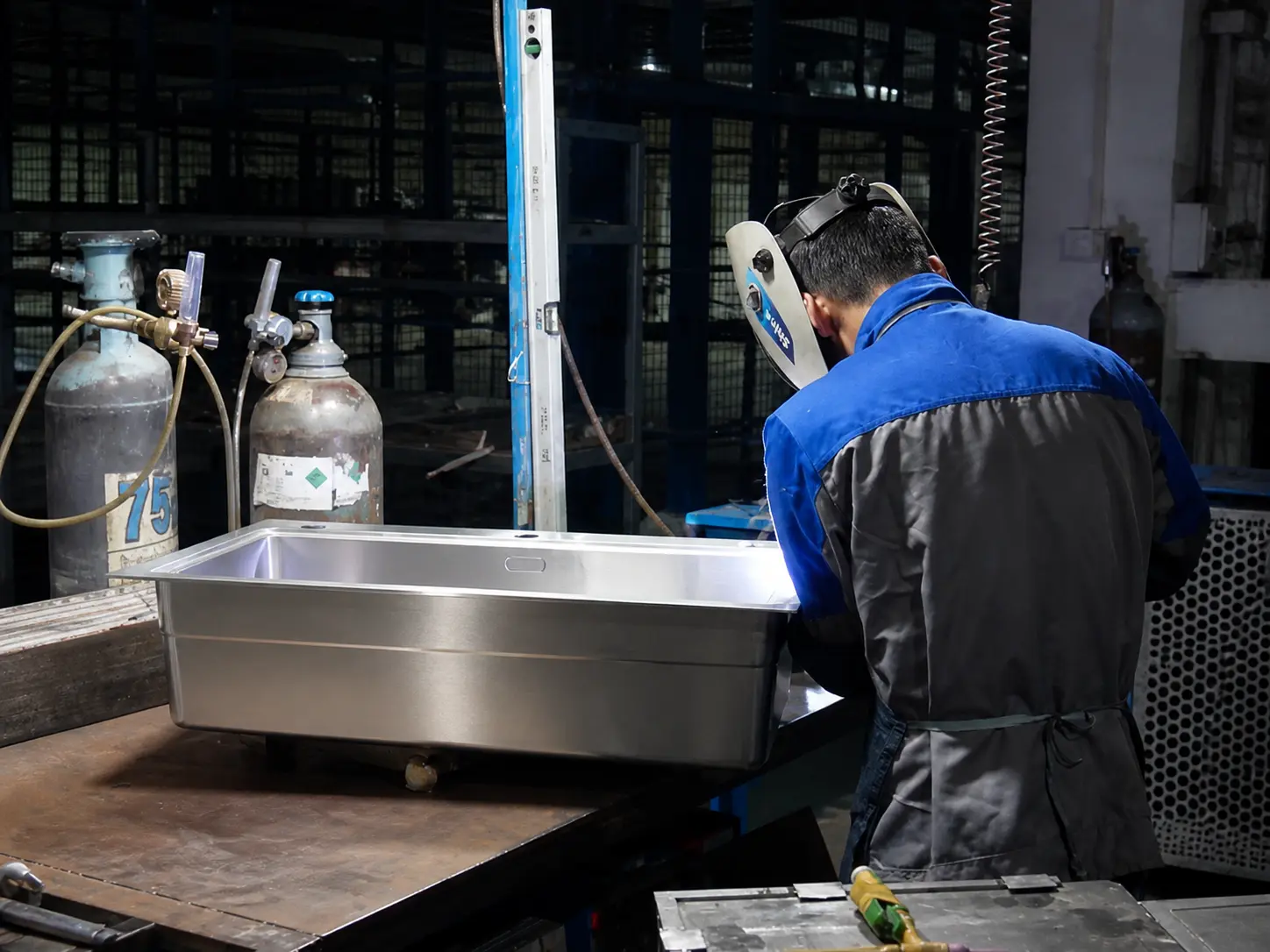
- leaking weld
- structurally failed sink body
- serious sharp edge
- wrong product that cannot be installed or used
Major Defect
A defect that does not normally create an immediate safety issue but can cause:
- installation failure
- functional failure
- significant customer complaint
- wrong product configuration
Examples may include:
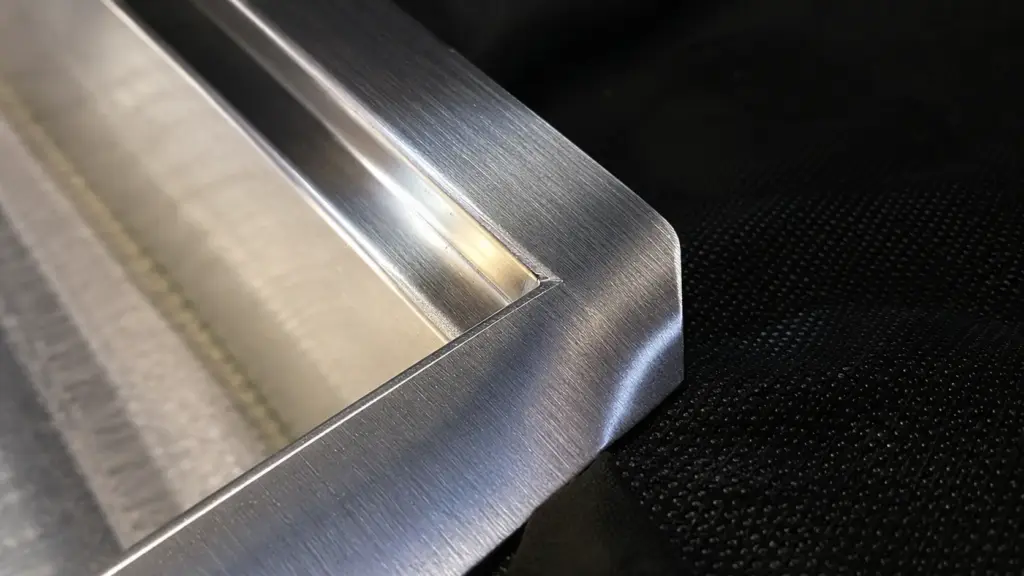
- distorted rim affecting installation
- incorrect drain position
- wrong accessory
- major finish mismatch
- workstation accessory not fitting
Minor Defect
A limited deviation that does not materially affect:
- installation
- function
- normal use
and has relatively small visual impact.
Defect severity should follow customer impact, not how easy the defect is for the factory to repair.
There is no universal sink-defect classification that fits every buyer. The final standard should be agreed before mass production.
Why Defect Classification Matters
If every issue is simply marked:
FAIL
the inspection report gives the buyer very little information.
A better system answers:
What happens if this defect reaches the customer?
That helps buyers decide:
- whether the unit can ship
- whether rework is possible
- whether the batch needs broader investigation
- whether the issue is cosmetic or functional
Critical Does Not Mean “Looks Very Bad”
A defect can look small but have serious consequences.
For example:
a small opening in a welded corner
may be visually less obvious than:
a long cosmetic scratch.
But if the weld creates leakage, it carries much higher functional risk.
Severity should therefore follow:
consequence
rather than:
visual size alone.
1. Leakage-Related Defects
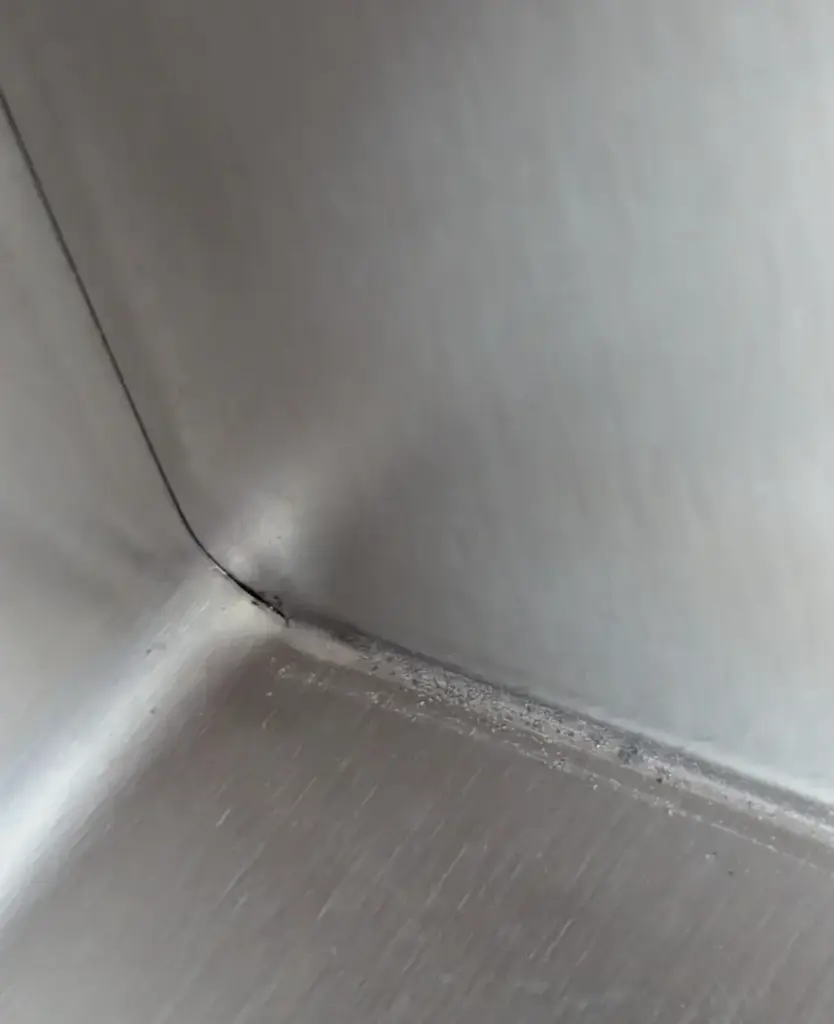
Leakage is normally among the highest-risk sink defects.
Possible causes include:
- incomplete handmade weld
- cracked sink body
- drain interface problem
- failed welded joint
The inspector should first determine whether the issue belongs to:
- sink body
- drain component
- installation
- assembly
A leaking drain caused by incorrect field installation is not automatically a sink-body manufacturing defect.
But a leaking welded bowl is fundamentally different from a cosmetic surface mark.
2. Sharp Edges and Unsafe Conditions
A sharp unfinished metal edge may create a handling or installation hazard.
Areas to review can include:
- trimmed pressed edges
- underside flange
- cutouts
- faucet holes
- welded or ground areas
Severity depends on:
- accessibility
- likelihood of contact
- installation condition
A hidden rough edge and an exposed sharp edge do not necessarily carry the same risk.
3. Wrong Model or Wrong Product Configuration
A perfectly finished sink can still be a major commercial failure if it is the wrong SKU.
Examples:
- wrong dimensions
- wrong installation type
- wrong finish
- wrong bowl configuration
- wrong drain layout
If the product cannot satisfy the approved PO or installation, the issue should not be treated as a small labeling mistake.
This is why Pre-Shipment Inspection should begin with SKU verification before workmanship inspection.
4. Rim Distortion
Rim distortion can range from minor to major depending on installation impact.
For example:
Small Local Variation
No visible installation effect
No rocking
No sealing issue
may have limited consequence.
Significant Bow or Twist
Creates:
- countertop gap
- uneven mounting
- rocking
- reveal inconsistency
and can become a major defect.
See Why Sink Rim Flatness Causes Installation Claims for the installation implications.
5. Dimensional Defects Should Be Classified by Function
A dimension being out of tolerance does not automatically tell you the severity.
Ask:
What does this dimension control?
For example:
Drain Position
May affect:
- plumbing
- disposal
- bottom grid
Potentially high consequence.
Hidden Non-Interface Dimension
May have little impact on the finished SKU.
This is why CTQ dimensions should be identified before inspection.
See Critical-to-Quality Kitchen Sink Dimensions.
6. Wrong Drain Position
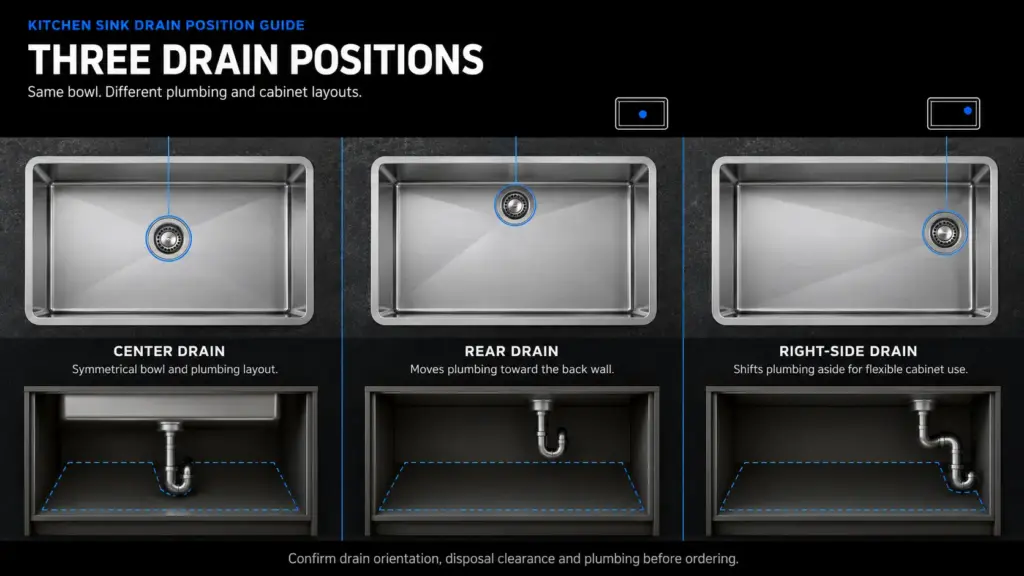
Drain position can affect:
- plumbing
- grid
- workstation layout
- cabinet storage
For a custom project, a drain that moves outside the approved location may be a major defect even if the sink looks normal.
For a standard retail sink, severity still depends on whether the product remains within the approved specification.
7. Wrong Drain-Hole Diameter
An incorrect drain-hole diameter can make the approved drain impossible to install.
This is a classic example of a defect that may have:
small visual difference
but:
large functional consequence.
The correct severity should reflect the ability to assemble and use the completed SKU.
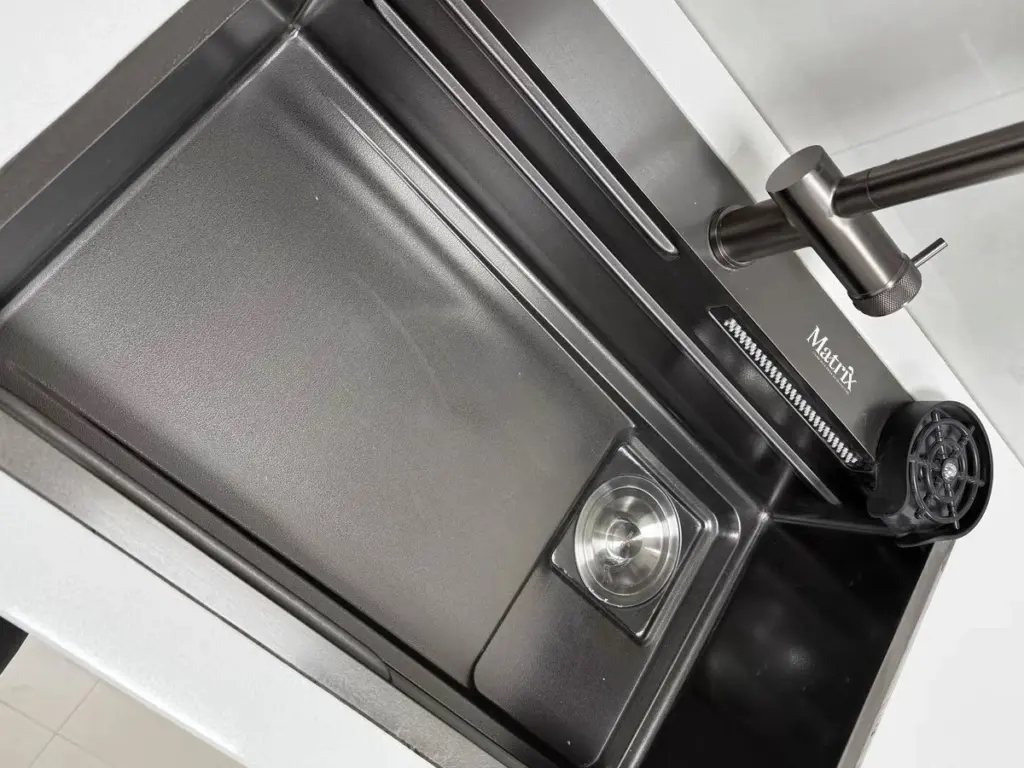
8. Workstation Accessory Fit
A workstation sink is a system.
If the:
- cutting board rocks
- colander cannot slide
- grid conflicts with the drain
- rack falls through the ledge
the sink body may still look perfect.
But the complete SKU is functionally wrong.
These issues should be classified according to how much they affect normal intended use.
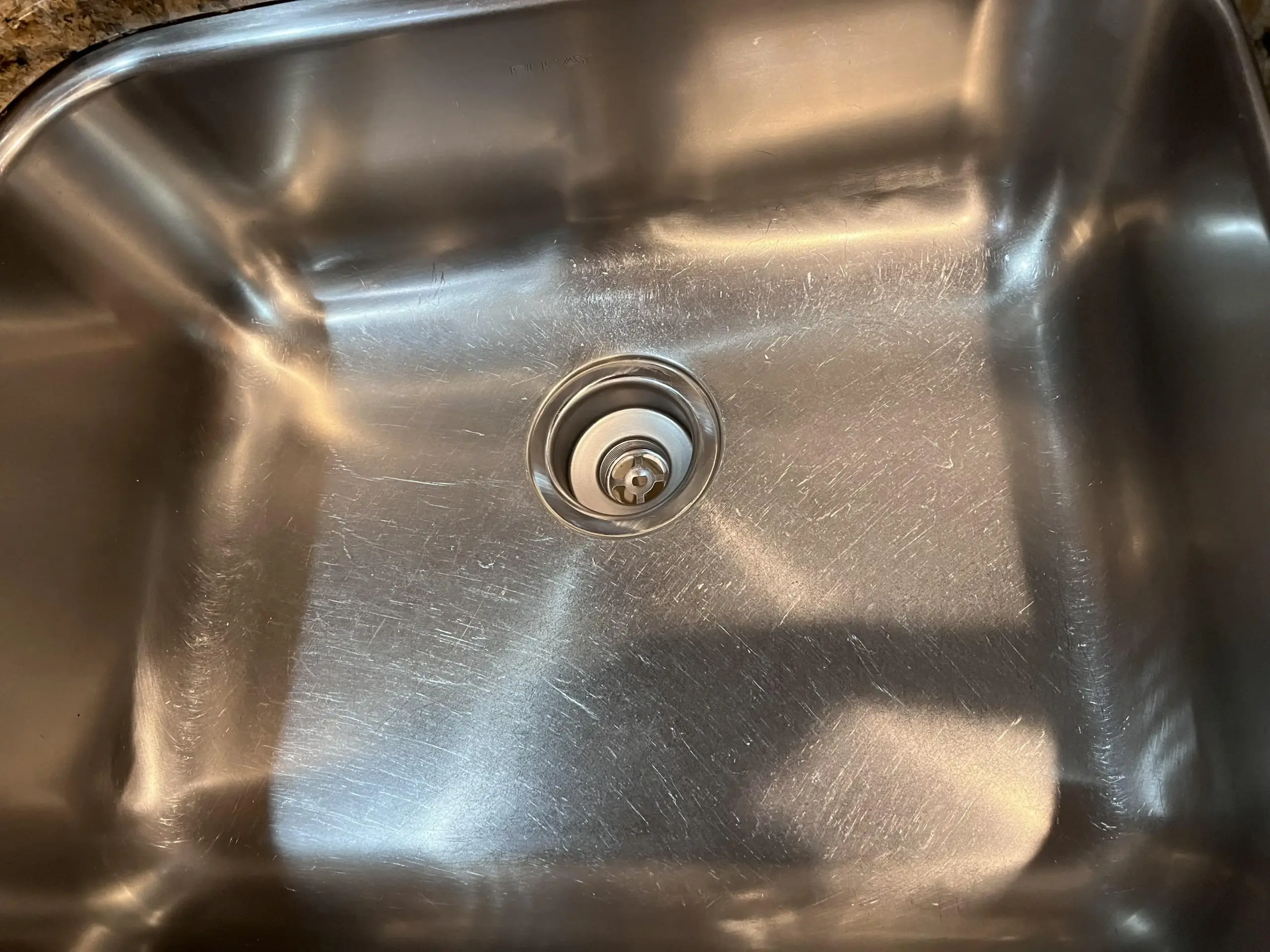
9. Surface Scratches
Scratches need more context.
Ask:
- when did the scratch occur?
- where is it?
- how visible is it?
- is protective film involved?
- does it expose damage beyond normal finish variation?
- does the buyer’s approved appearance standard allow it?
A tiny isolated mark on a hidden flange is not equivalent to a deep scratch across the visible bowl.
Surface-defect severity should therefore consider:
location + visibility + size + finish type.
10. PVD Color Variation
For colored sinks, visual variation can occur between:
- sink body
- drain
- accessories
- production batches
The question is not:
Is the shade mathematically identical?
It is:
Does the product remain within the approved visual reference?
A strong visible mismatch across one SKU may become a major customer-facing defect.
Small acceptable variation should be agreed during sample approval rather than invented during final inspection.
11. Logo and Branding Defects
For private-label products, branding is part of the commercial SKU.
Examples include:
- wrong logo
- upside-down logo
- wrong SKU label
- incorrect barcode
- wrong carton artwork
These may not affect sink function.
But they can make the goods unusable for:
- retail
- warehouse
- customer delivery
So a branding defect can still be commercially major.
Matrix’s Private Label Product Programs treats labels, cartons and branding as part of the product specification rather than optional decoration.
12. Packing Defects
Packing defects should also be classified according to risk.
Examples:
Minor Packing Issue
Small carton-printing variation with no product or identification impact.
Major Packing Issue
- missing rim protection
- loose metal accessories
- wrong carton quantity
- barcode mismatch
- packaging unable to protect approved finish
The defect may be in the packaging rather than the sink, but the shipment risk can still be significant.
A Practical Defect Classification Framework
| Defect Type | Typical Impact | Possible Classification |
|---|---|---|
| Sink-body leakage | Function / product usability | Critical |
| Dangerous exposed sharp edge | Safety | Critical |
| Wrong sink model | Installation / commercial use | Major |
| Rim distortion affecting fit | Installation | Major |
| Wrong drain position | Plumbing / accessories | Major |
| Workstation accessory does not fit | Function | Major |
| Major PVD mismatch | Customer-visible appearance | Major |
| Incorrect barcode | Warehouse / retail | Major |
| Small cosmetic mark in hidden area | Limited visual impact | Minor |
| Small non-functional finish variation | Appearance only | Minor, depending on standard |
This table is a decision framework, not a universal acceptance standard.
Do Not Copy a Generic Defect List Without the Product Context
The same issue can carry different severity on different products.
For example:
Small Flange Variation
On a standard top-mount sink with wide coverage:
may have little effect.
On a custom replacement undermount:
may cause installation failure.
So defect classification should reflect the actual product program.
Defect Classification and AQL Are Not the Same Thing
This distinction is important.
Defect Classification
Answers:
How serious is this type of defect?
Sampling / Acceptance Plan
Answers:
How many defects of each class are acceptable within the inspection plan?
Do not invent an AQL level simply because the terms:
- Critical
- Major
- Minor
are being used.
If a buyer requires an AQL-based inspection, the:
- sampling plan
- defect definitions
- acceptance limits
should be agreed before shipment.
What Should Be Defined Before Mass Production?
For higher-risk OEM programs, establish:
- critical defects
- major defects
- minor defects
- visual reference
- CTQ tolerances
- accessory requirements
- packing requirements
before the first bulk order.
Do not wait until PSI to argue about whether a defect is “major.”
Use the Golden Sample for Appearance — Not Everything
A golden sample is useful for:
- finish
- workmanship
- accessory fit
- logo
- packing reference
But measurable items such as:
- dimensions
- drain position
- thickness
should still be controlled by drawing and specification.
What Should an Inspection Report Record?
For each defect, record:
- defect type
- location
- quantity affected
- photo
- severity
- model / batch
- reference standard
- disposition if agreed
Avoid vague entries such as:
surface problem
or:
size issue.
The report should explain what failed and why it matters.
Buyer Takeaway
Do not classify defects based on:
how ugly they look
or:
how easy they are to repair.
Classify them based on:
Safety → Installation → Function → Commercial Usability → Appearance
The best inspection question is:
“If this defect reaches the customer, what will it prevent them from doing?”
That answer usually tells you more about severity than the defect size itself.
Frequently Asked Questions
What is a critical defect on a kitchen sink?
A defect with serious safety, leakage or unusable-product consequences may be treated as critical, depending on the buyer’s agreed standard.
What is a major sink defect?
A major defect typically affects installation, function, accessory fit, product identity or creates a significant customer complaint.
What is a minor sink defect?
A minor defect normally has limited visual impact and does not materially affect installation or use.
Is every dimensional failure a major defect?
Not necessarily. Severity depends on what the dimension controls.
Is a scratch always a minor defect?
No. A deep or highly visible scratch can have greater commercial impact, especially on decorative finishes.
Should defect classifications be agreed before inspection?
Yes. Buyers and suppliers should agree the definitions before mass production or final inspection.
Are Critical, Major and Minor the same as AQL?
No. Defect classification defines severity. AQL or another sampling plan defines how inspection results are accepted.
Building a Sink Inspection Standard?
Matrix’s Quality Control & Inspection explains how drawings, samples, dimensions, finish, accessories and packing can be used as inspection references.
For new projects, define critical requirements early through the Kitchen Sink RFQ Checklist.