
Sink Sourcing Knowledge Hub
Practical articles for buyers comparing stainless steel sinks, manufacturing methods, installation types, accessories, OEM programs, packing, and project supply.
Use these guides to understand what matters before choosing a sink model, approving an OEM sample, matching accessories, or placing a wholesale or project order.
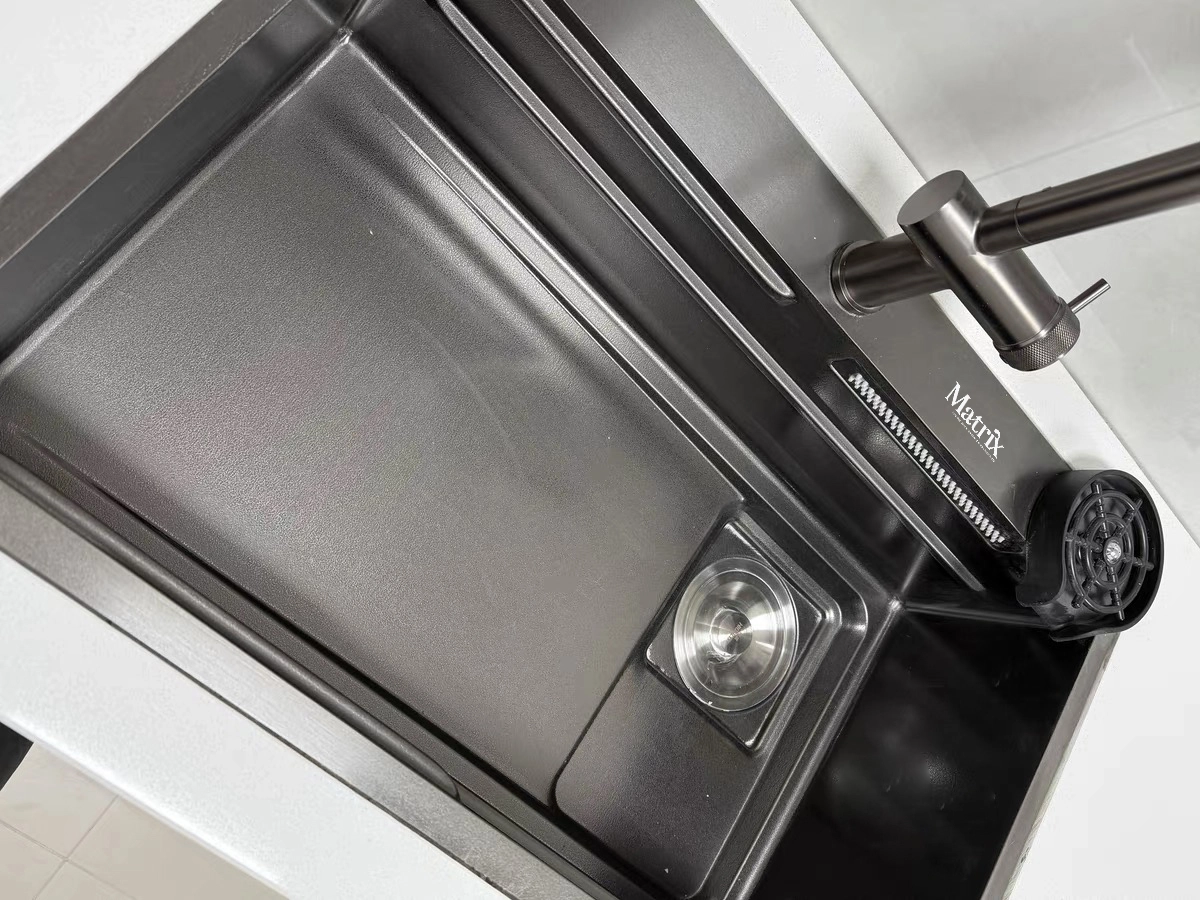
Featured Guide

How to Choose the Right Stainless Steel Kitchen Sink
A practical guide for buyers comparing sink type, installation method, material gauge, bowl depth, drain position, accessories, packing, and target market before sourcing.
- Start with application and installation type
- Review material gauge, bowl depth, and drain position
- Confirm accessories and packing before ordering
Latest Sourcing Guides
Read practical guides on sink selection, manufacturing details, OEM supply, accessories, packing, and project sourcing.
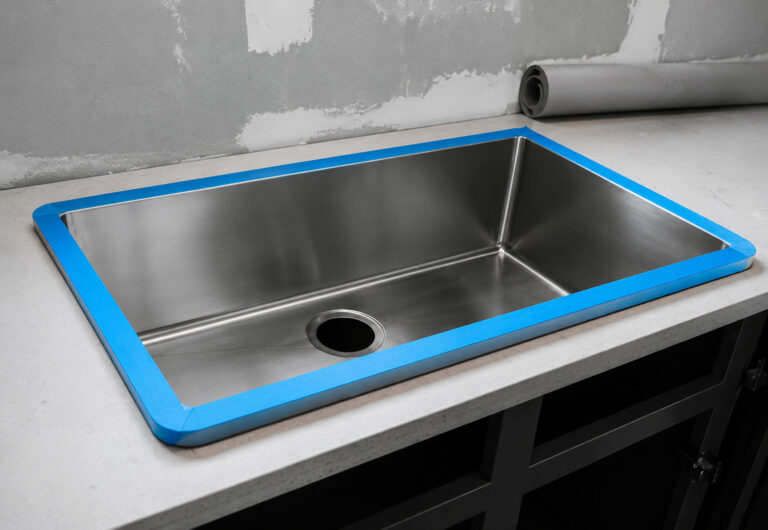
What Actually Determines Whether a Kitchen Sink Will Fit a Cabinet and Countertop?
A sink can be smaller than the cabinet and still not fit the installation. That is because kitchen sink compatibility is not controlled by one dimension. A successful installation depends on several dimensions working together: For buyers and project teams, the useful question is not: “Is this a 30-inch sink?” It is: “Does the complete […]
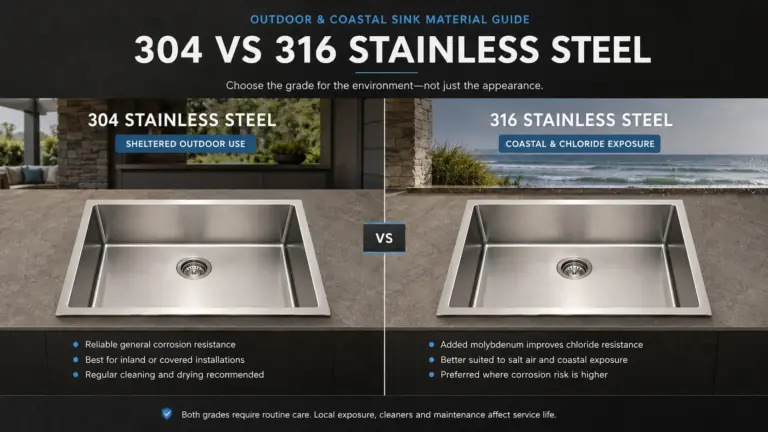
When Does SUS316 Actually Make Sense Instead of SUS304 for a Kitchen Sink?
SUS316 is more corrosion-resistant than SUS304 — but that does not mean every kitchen sink should be made from 316. For many normal residential and commercial kitchen applications, SUS304 already provides a strong balance of: SUS316 becomes more relevant when the sink will face a more aggressive environment, especially where chloride exposure is higher. For […]
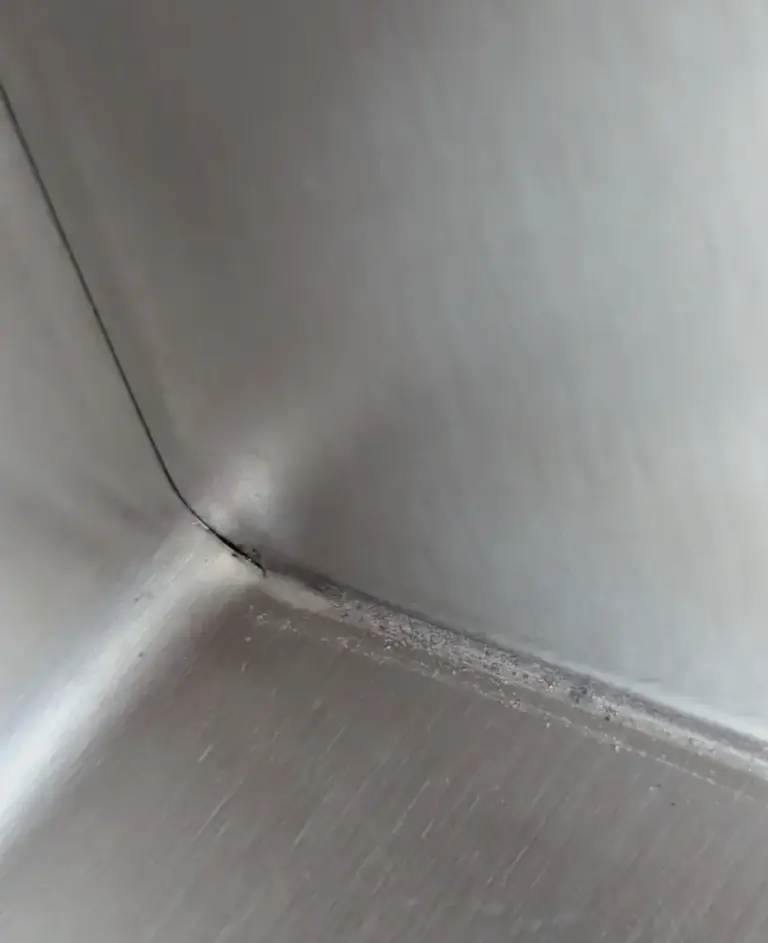
Why Do Pressed Stainless Steel Sinks Develop Wrinkles or Cracks?
Wrinkles and cracks are often opposite failures caused by the same problem: poor control of material flow. During deep drawing, stainless steel must move into the die while also being restrained enough to keep the flange and walls stable. If the material flows too freely: wrinkles can form. If the material is restrained too much […]
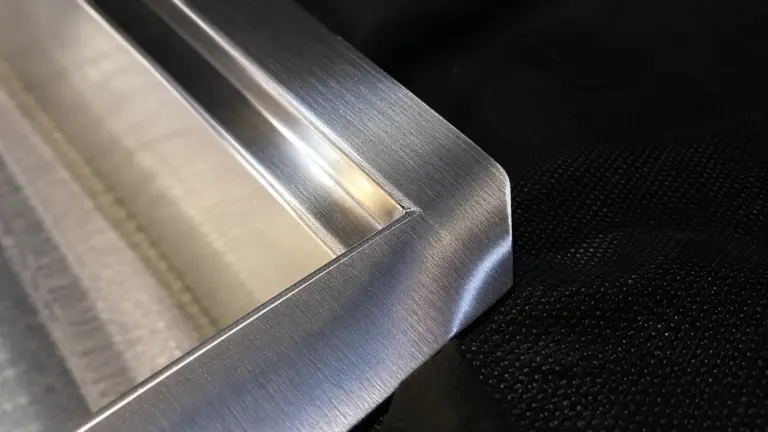
How to Tell Sink Manufacturing Damage From Shipping Damage?
A damaged sink does not automatically mean the factory produced it that way. The same visible problem can come from very different causes. For example: may result from: ManufacturingorPackingorTransportorInstallation For buyers and QC teams, the important question is not: “Who should take responsibility first?” It is: “What evidence shows when and where the damage most […]
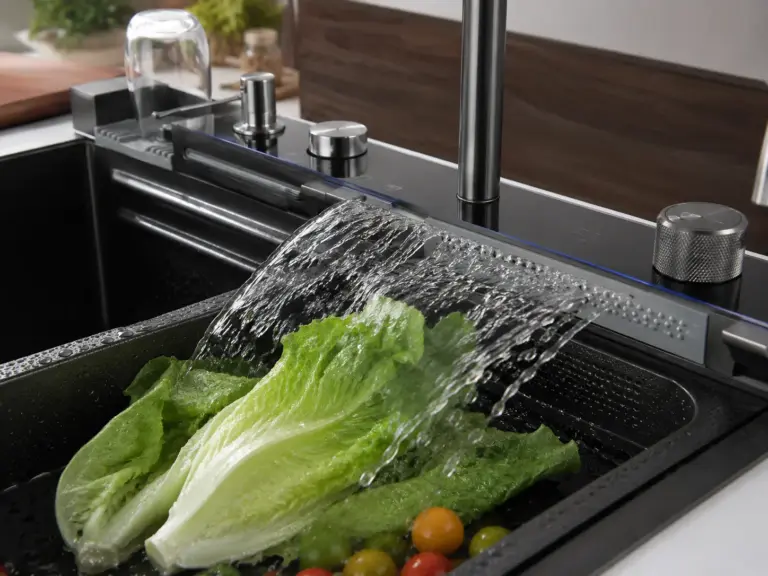
Why Can Workstation Sink Accessories Fit the Sample but Not the Repeat Order?
An accessory can be the correct size and still stop fitting if the sink geometry changes slightly. This is one of the most common misunderstandings in workstation sink programs. A buyer may approve: with the sample. Then the repeat order arrives and the same accessory: The problem is not always the accessory. Sometimes the real […]
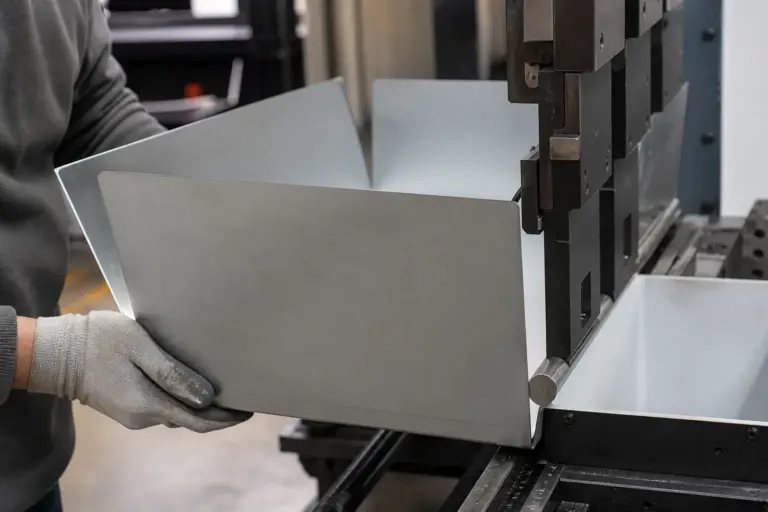
Why Can Handmade Sink Corners Look Different Between the Approved Sample and Mass Production?
A handmade sink can match the drawing and still look different from the approved sample. The reason is simple: A drawing controls dimensions. It does not fully describe every visual detail created by: For OEM buyers, the real question is not: “Is every corner mathematically identical?” It is: “Does the mass-production workmanship remain within the […]
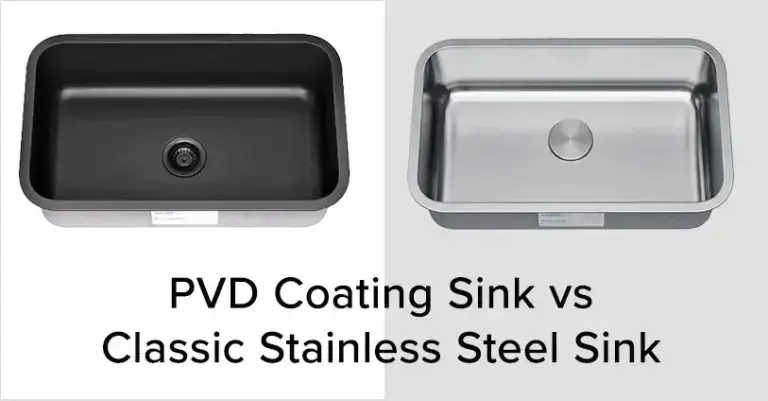
Why Can Two Kitchen Sinks With the Same Overall Size Have Different Bowl Capacity?
A 30-inch sink is not necessarily a 30-inch bowl. Two kitchen sinks can have exactly the same outside dimensions and still provide noticeably different usable space. The difference comes from how much of the overall footprint is actually converted into bowl volume. Key factors include: For buyers, the more useful comparison is not: “Are both […]
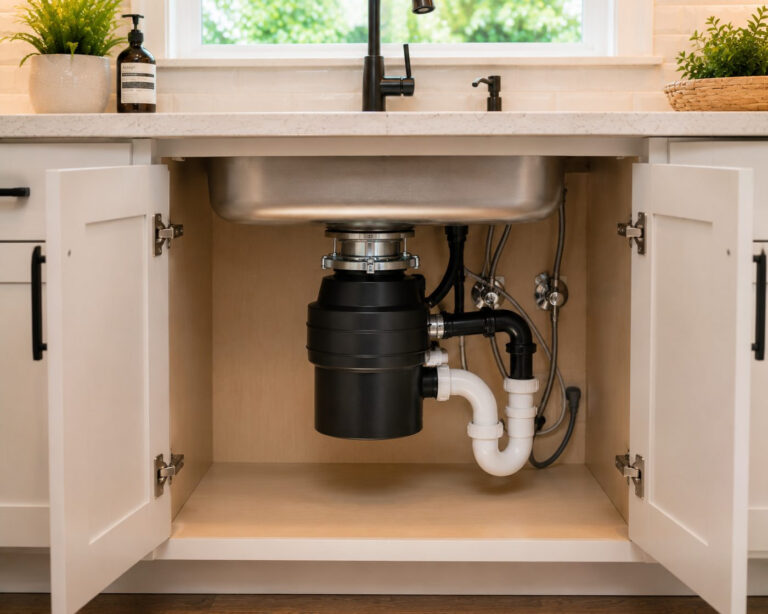
Why Can a Deep Kitchen Sink Create Drain or Garbage Disposal Clearance Problems?
A deeper sink gives you more bowl depth — but it also uses more of the space underneath the countertop. That means a 10-inch or 12-inch deep sink can create installation problems even when: The real issue is often vertical clearance. For buyers and project teams, the better question is not: “Does the disposal fit […]
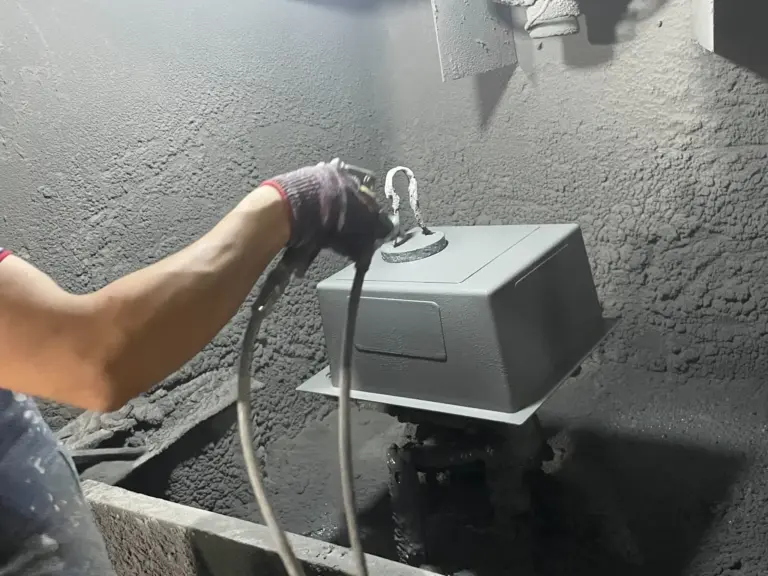
Why Does a Thick Stainless Steel Sink Still Sound Hollow?
A thicker stainless steel sink is not automatically a quieter sink. Thickness can reduce panel vibration, but acoustic performance also depends on: So two sinks with similar gauge can still sound very different. For buyers, the important question is not: “Which sink is thicker?” It is: “How is the sink body controlled against vibration and […]
Need Help Choosing the Right Sink?
If you are comparing sink types, materials, installation methods, accessories, or OEM options, send us your requirement. Matrix can help review the practical next step for your market.
Subscribe to Sink Sourcing Notes
Get practical sink sourcing notes from Matrix Sink — product guides, OEM reminders, packing details, accessory tips, and manufacturing insights for kitchen & bath buyers.
No noisy emails. Just useful updates when we publish guides that help buyers compare products, avoid unclear specifications, and prepare better sourcing decisions.