
Sink Sourcing Knowledge Hub
Practical articles for buyers comparing stainless steel sinks, manufacturing methods, installation types, accessories, OEM programs, packing, and project supply.
Use these guides to understand what matters before choosing a sink model, approving an OEM sample, matching accessories, or placing a wholesale or project order.
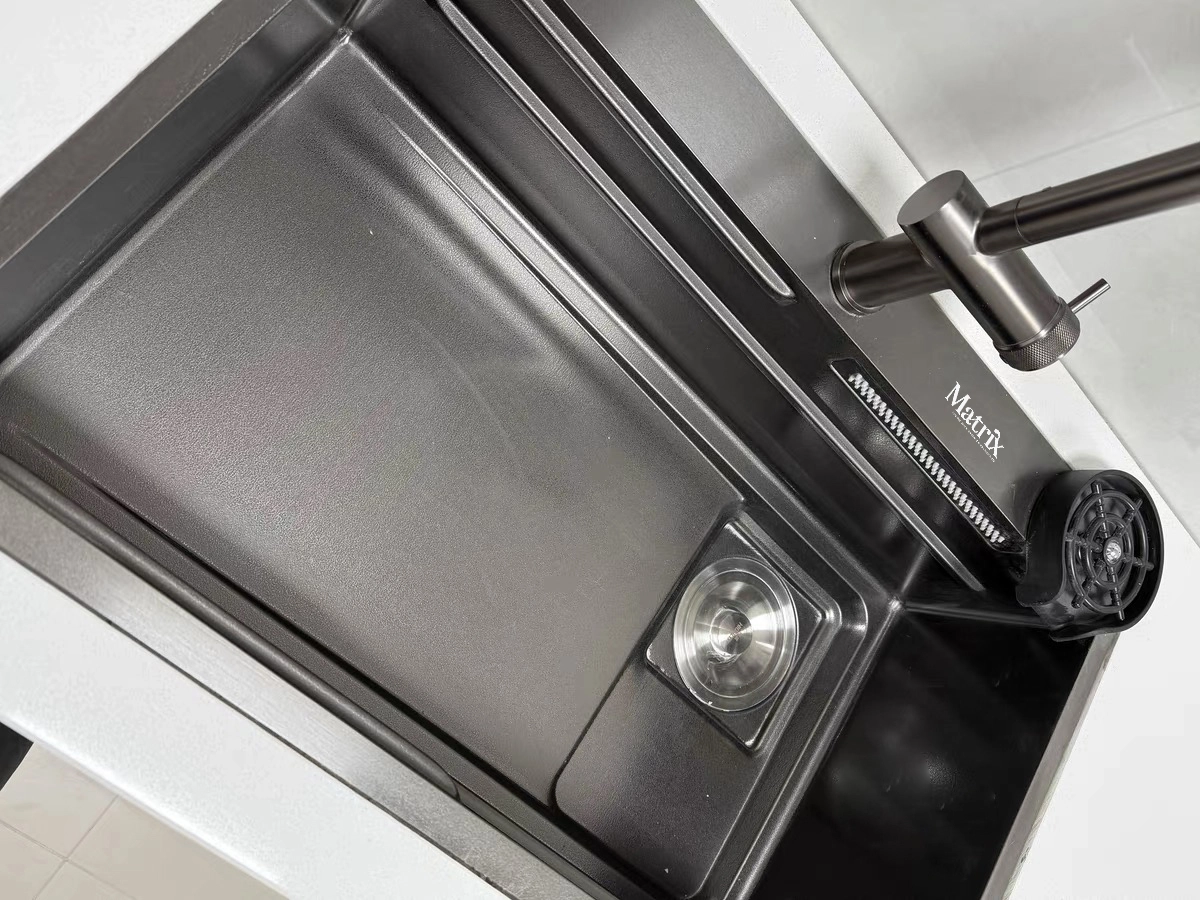
Featured Guide

How to Choose the Right Stainless Steel Kitchen Sink
A practical guide for buyers comparing sink type, installation method, material gauge, bowl depth, drain position, accessories, packing, and target market before sourcing.
- Start with application and installation type
- Review material gauge, bowl depth, and drain position
- Confirm accessories and packing before ordering
Latest Sourcing Guides
Read practical guides on sink selection, manufacturing details, OEM supply, accessories, packing, and project sourcing.
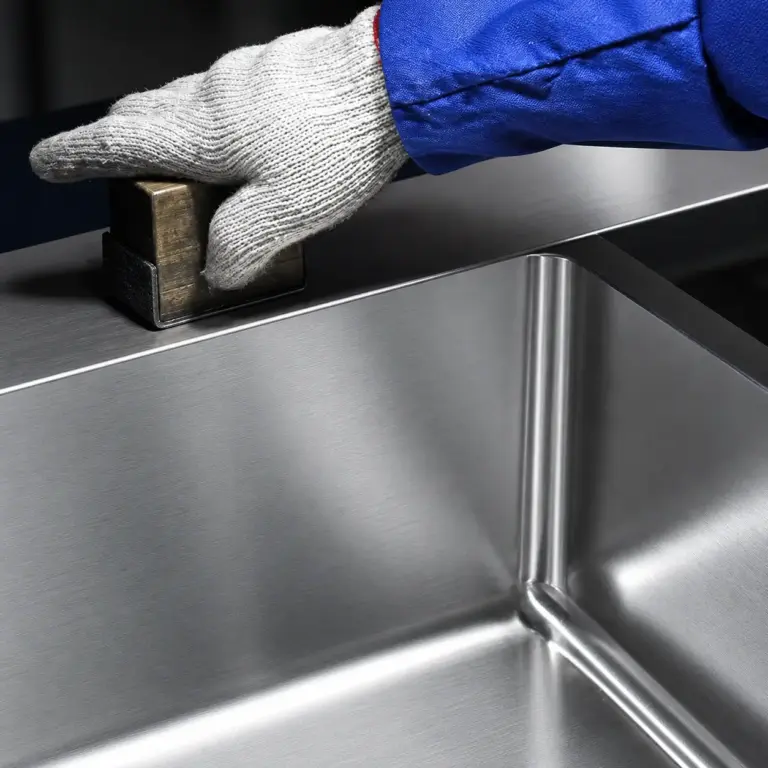
Why Can Brushed Stainless Steel Sink Finishes Look Different Between Batches?
The same stainless steel grade does not guarantee the same surface appearance. Two SUS304 sinks can use the same nominal material and still look different because a brushed finish depends on much more than the steel grade itself. Visual differences can come from: For OEM and repeat-order programs, the real question is not: “Is this […]
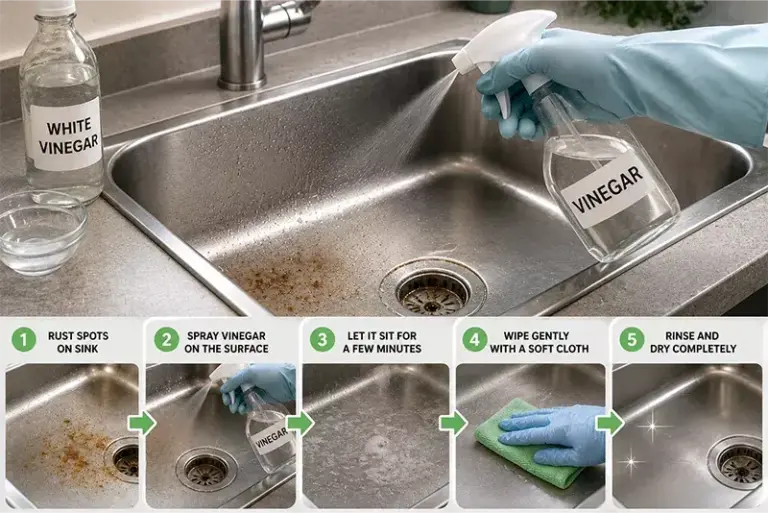
Why Can a SUS304 Stainless Steel Sink Develop Rust-Like Spots?
304 stainless steel is corrosion-resistant. It is not corrosion-proof. So when brown or orange spots appear on a SUS304 kitchen sink, the correct conclusion is not automatically: “The factory used the wrong stainless steel.” Rust-like marks can come from several very different causes, including surface iron contamination, chloride exposure, aggressive cleaning chemicals, trapped moisture, fabrication […]
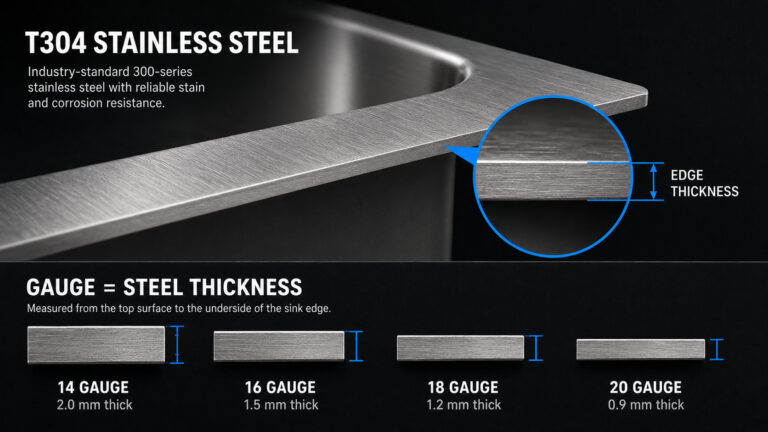
Why Can the Same 18-Gauge Sink Measure Different Thicknesses?
Two stainless steel kitchen sinks can both be described as 18 gauge and still produce different thickness readings. Even different areas of the same 18-gauge pressed sink can measure differently. That does not have one single cause. The reading depends on: Quick Answer “18 gauge” is a nominal thickness designation, not a guarantee that every […]
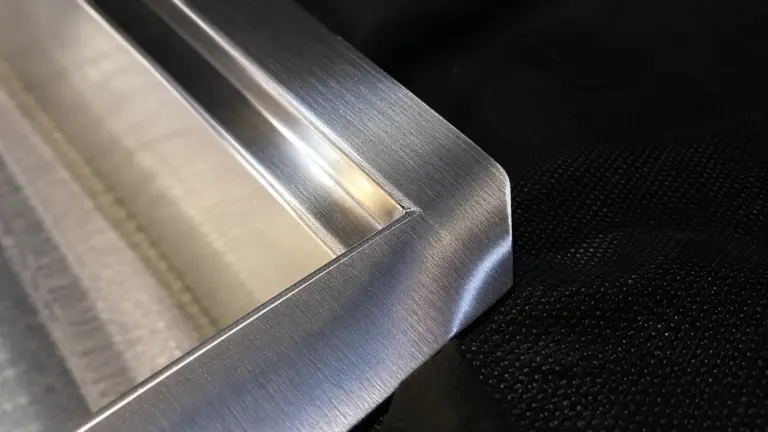
Why Can a Handmade Sink Rim Warp After Welding?
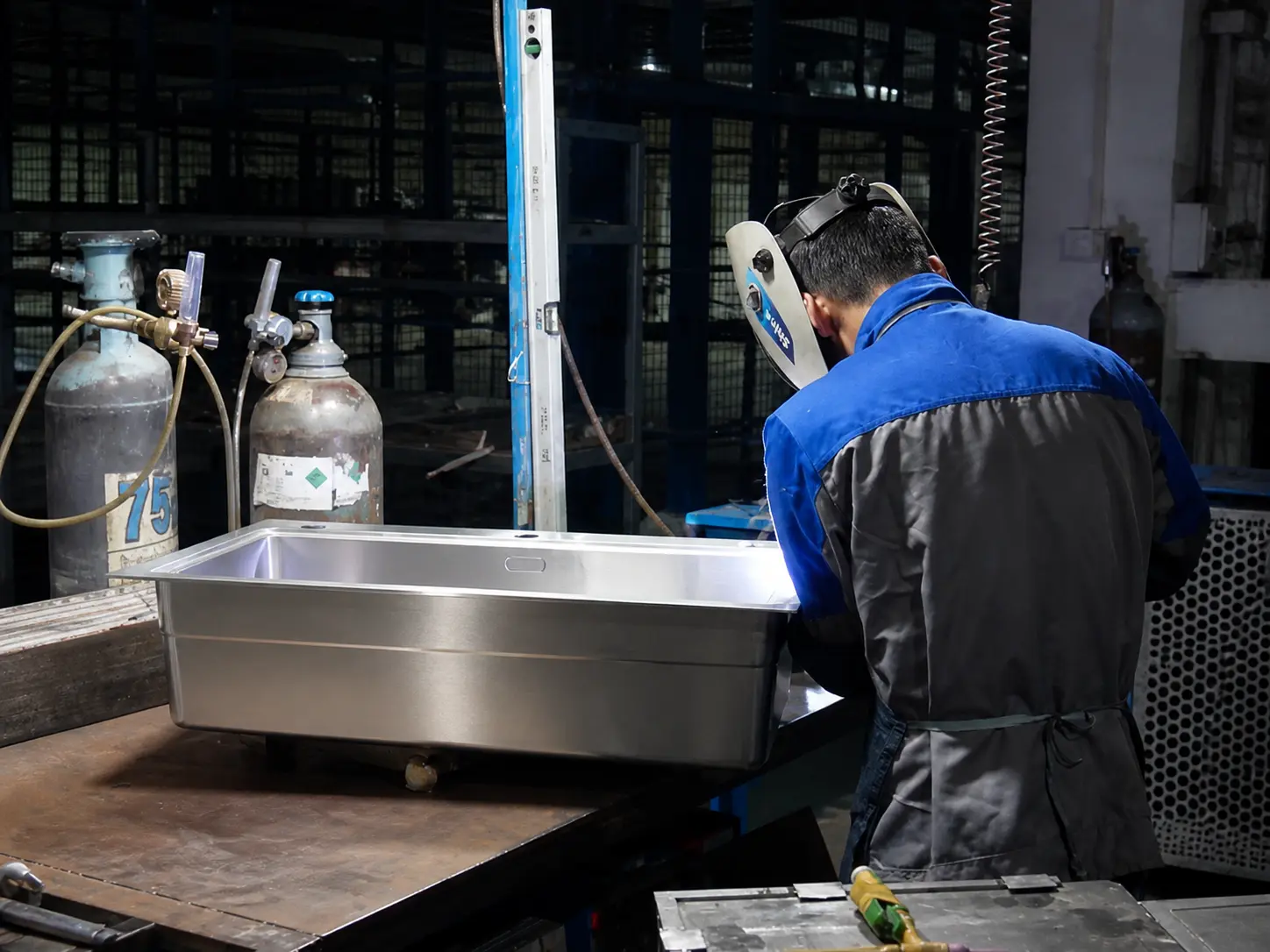
A handmade stainless steel sink can have accurately cut panels and still develop a slightly bowed or twisted rim after welding. The main reason is not inaccurate cutting. It is uneven thermal expansion and shrinkage during welding. When a welded area heats up, the stainless steel expands. The surrounding cooler metal restrains that expansion. As […]
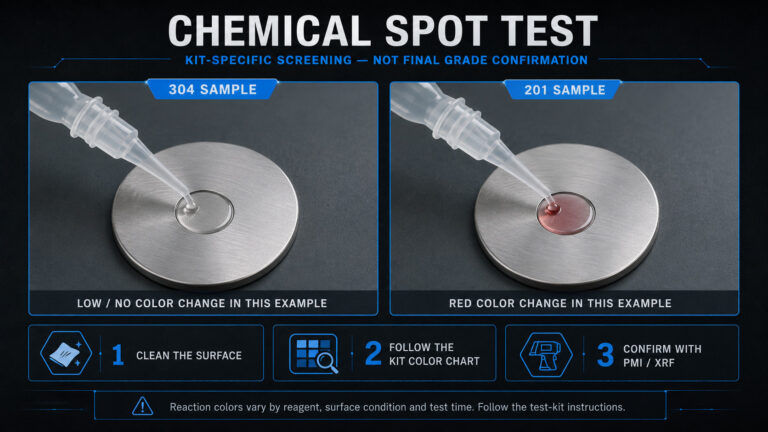
How Can Buyers Verify SUS304 Without Relying on a Magnet?
A magnet cannot reliably identify whether a kitchen sink is made from SUS304. SUS304 can develop localized magnetic response after pressing, bending or welding, while magnetic strength itself does not reveal the steel’s chromium, nickel or manganese content. To verify SUS304, the stronger approach is to connect: Material Specification → Material Batch → Production Traceability […]
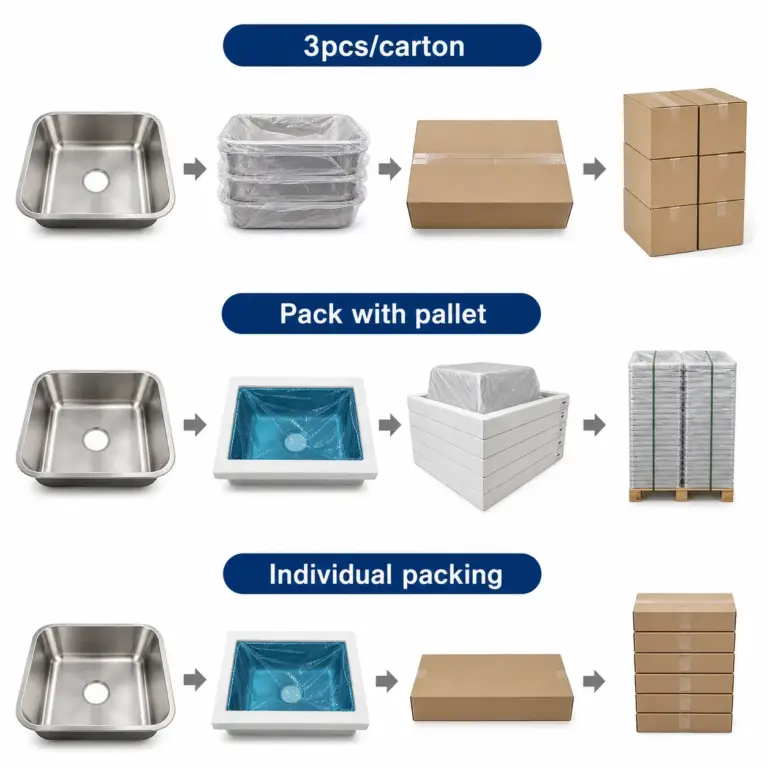
How to Specify Kitchen Sink Packaging in an RFQ
Kitchen sink packaging should be specified before quotation, not added after the product price has already been agreed. For B2B buyers, packing affects: Quick Answer: What Packaging Requirements Should I Send to a Kitchen Sink Manufacturer? A kitchen sink packaging RFQ should define at least: The distribution route is especially important. A carton designed for: […]

Why Sink Packaging Passes Factory QC but Fails Parcel Shipping?
A kitchen sink can leave the factory in perfect condition and still arrive with: The reason is often simple: Factory packing approval and real distribution stress are not the same test. Quick Answer: Why Do Kitchen Sinks Arrive Damaged Even After Passing Factory Inspection? Because packaging that works for: may not be strong enough for: […]
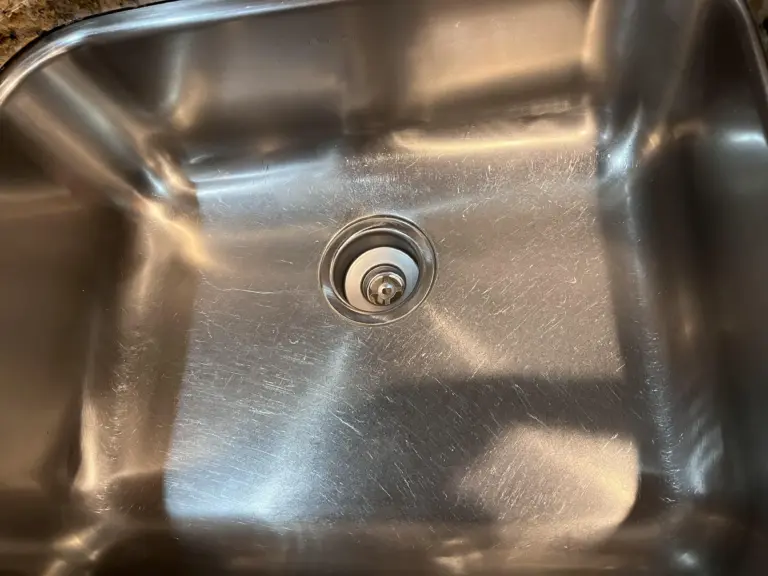
Critical vs Major vs Minor Defects in Kitchen Sink Inspection
Not every kitchen sink defect carries the same risk. A scratch, a leaking weld and a wrong drain position should not be treated as equivalent simply because all three are “defects.” For buyers and QC teams, defect severity should be based on what the problem does to the finished product. Quick Answer: How Should Kitchen […]
What Should a Pre-Shipment Inspection for Kitchen Sinks Include?
A kitchen sink pre-shipment inspection should verify more than surface appearance. For B2B buyers, the goal is to confirm that the finished shipment matches the latest approved product specification, complete SKU and packing requirement before the goods leave the factory. Quick Answer: What Should I Inspect Before Accepting a Kitchen Sink Shipment? A kitchen sink […]
Need Help Choosing the Right Sink?
If you are comparing sink types, materials, installation methods, accessories, or OEM options, send us your requirement. Matrix can help review the practical next step for your market.
Subscribe to Sink Sourcing Notes
Get practical sink sourcing notes from Matrix Sink — product guides, OEM reminders, packing details, accessory tips, and manufacturing insights for kitchen & bath buyers.
No noisy emails. Just useful updates when we publish guides that help buyers compare products, avoid unclear specifications, and prepare better sourcing decisions.