
Sink Sourcing Knowledge Hub
Practical articles for buyers comparing stainless steel sinks, manufacturing methods, installation types, accessories, OEM programs, packing, and project supply.
Use these guides to understand what matters before choosing a sink model, approving an OEM sample, matching accessories, or placing a wholesale or project order.
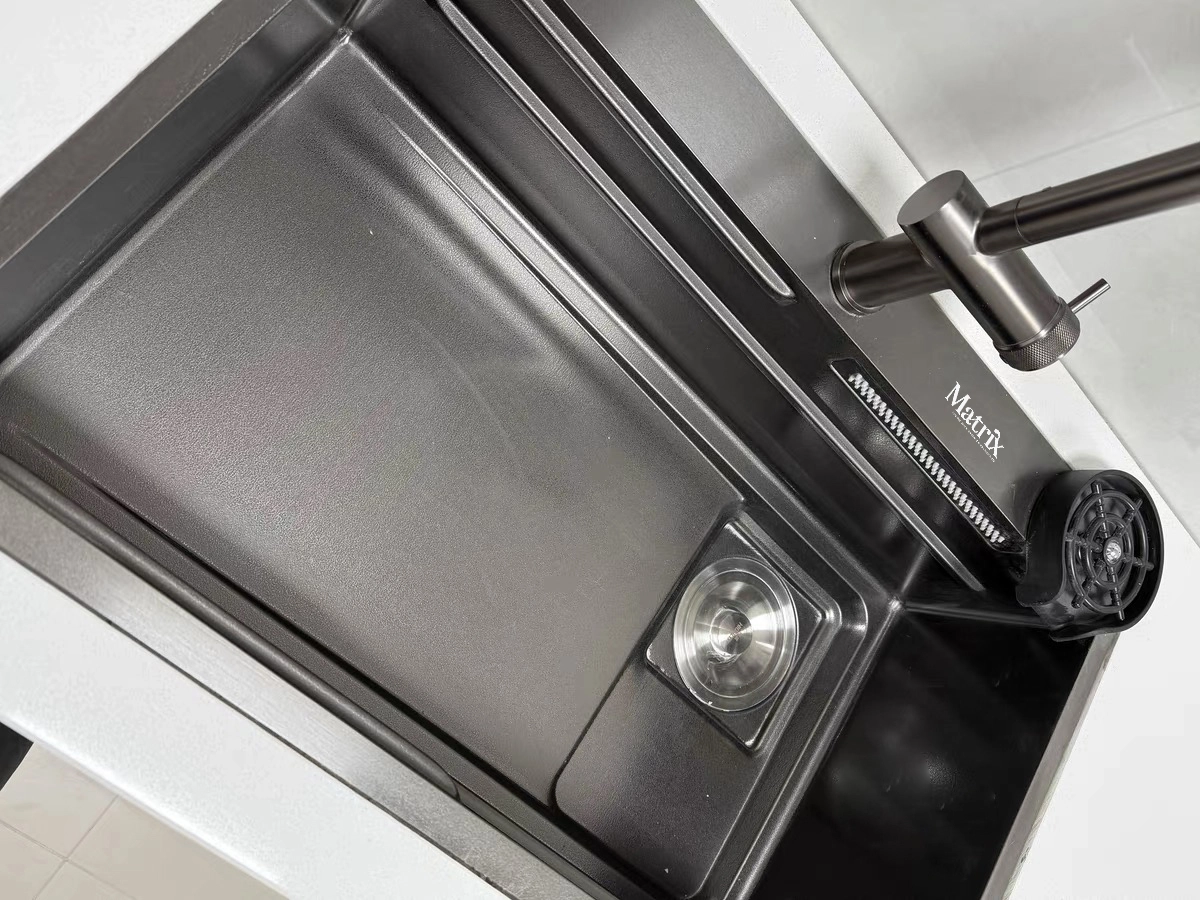
Featured Guide

How to Choose the Right Stainless Steel Kitchen Sink
A practical guide for buyers comparing sink type, installation method, material gauge, bowl depth, drain position, accessories, packing, and target market before sourcing.
- Start with application and installation type
- Review material gauge, bowl depth, and drain position
- Confirm accessories and packing before ordering
Latest Sourcing Guides
Read practical guides on sink selection, manufacturing details, OEM supply, accessories, packing, and project sourcing.
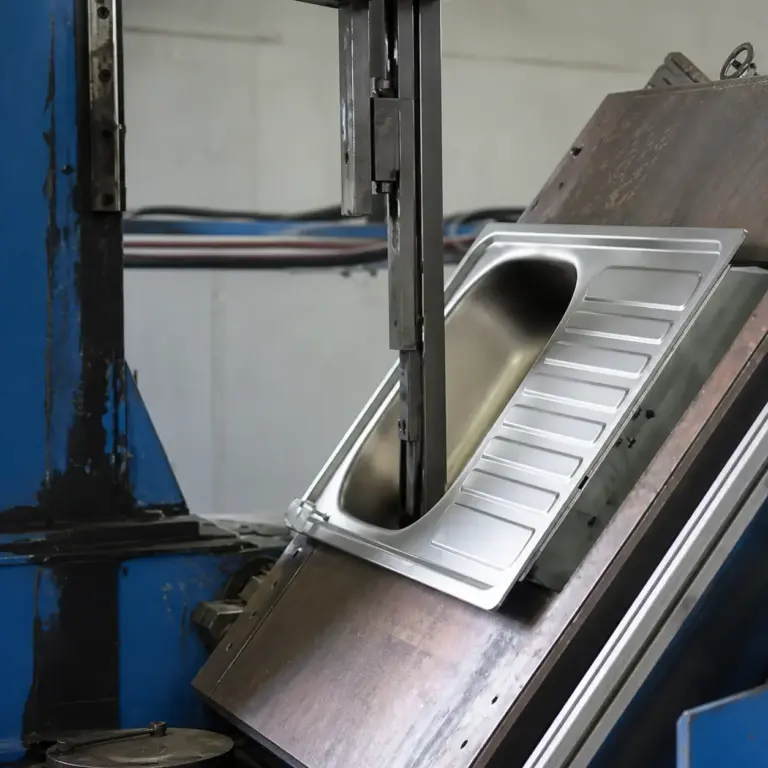
Why a Sink Sample Can Pass but the Repeat Order Still Fails
Quick Answer A good first sample does not automatically guarantee a good repeat order. Repeat orders usually drift when one or more of these references were never properly frozen: The first sample may have been made carefully by an experienced technician using the buyer’s latest instructions. Months later, production needs a reproducible specification — not […]
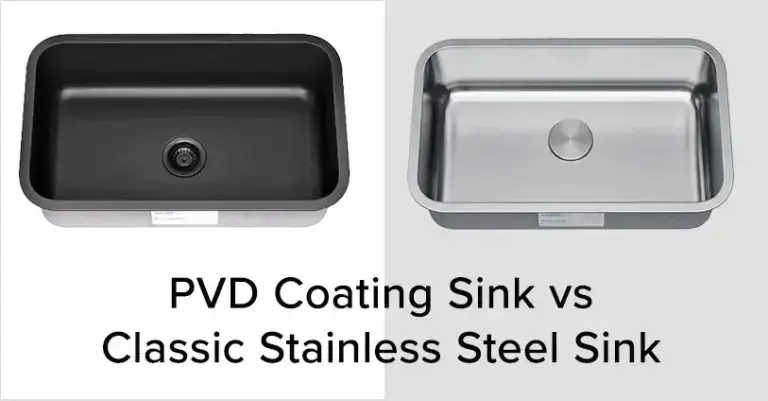
How to Control PVD Sink Color Between Repeat Orders
Quick Answer PVD sink color can vary between repeat orders because the final appearance is affected by more than the color name. The main variables are: For repeat orders, do not approve only: GunmetalGoldBlack Keep an approved physical finish reference, record the production specification, and compare the next batch against the same reference before packing. […]
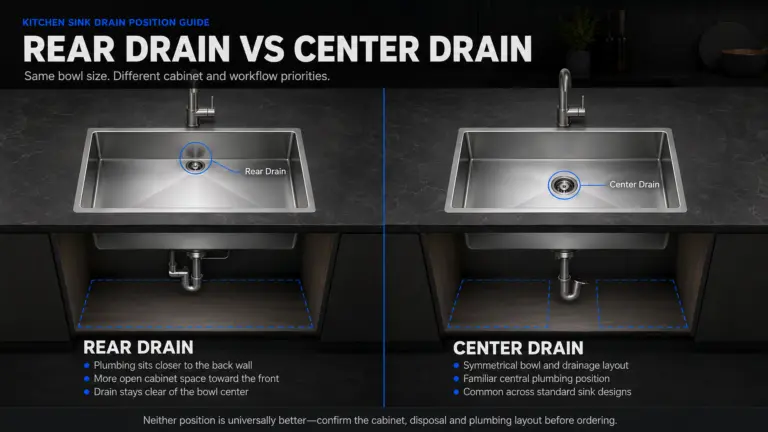
Why Drain Position Should Be Frozen in the Drawing Before Production
Quick Answer Drain position should be frozen before production because changing it can affect: For a handmade sink, drain position may be relatively flexible before fabrication is finalized. For a pressed sink, the available position can depend on the mold and bottom geometry. “Rear drain” or “center drain” is not enough for a custom project. […]
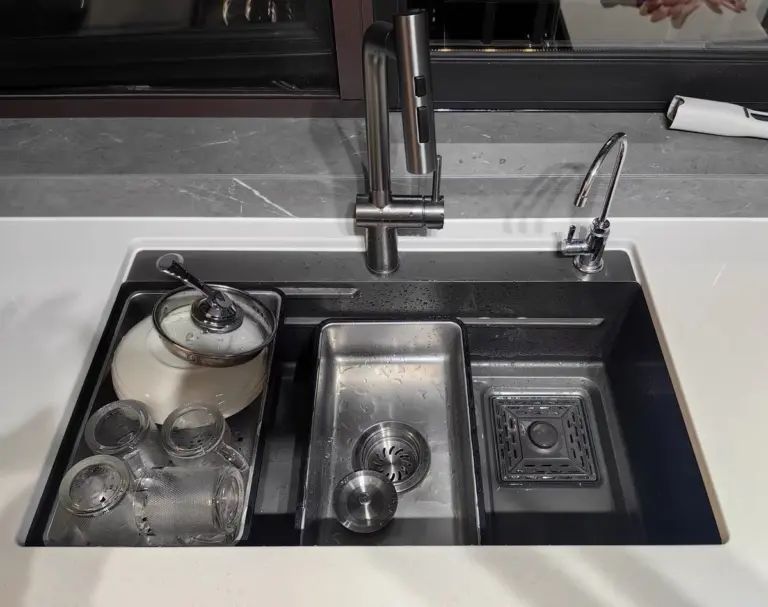
What Buyers Should Check Before Approving a Workstation Sink
Quick Answer Before approving a workstation sink sample, check the sink and accessories as one system. The critical points are: A workstation sink can pass basic sink inspection and still fail in use if the accessories rock, bind, fall through the ledge or interfere with the drain. Approve the complete workstation system, not the sink […]
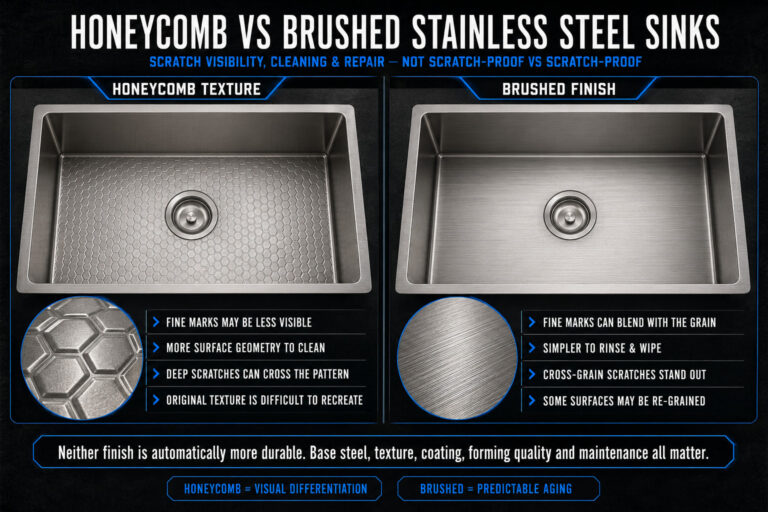
How to Compare Two Stainless Steel Sink Quotations
Quick Answer Before comparing two sink prices, make sure both suppliers are quoting the same: If one supplier quotes a 1.2 mm handmade sink with a complete workstation accessory set and individual foam packing, while another quotes a pressed sink with drain only, the lower price tells you very little. Normalize the specification first. Compare […]
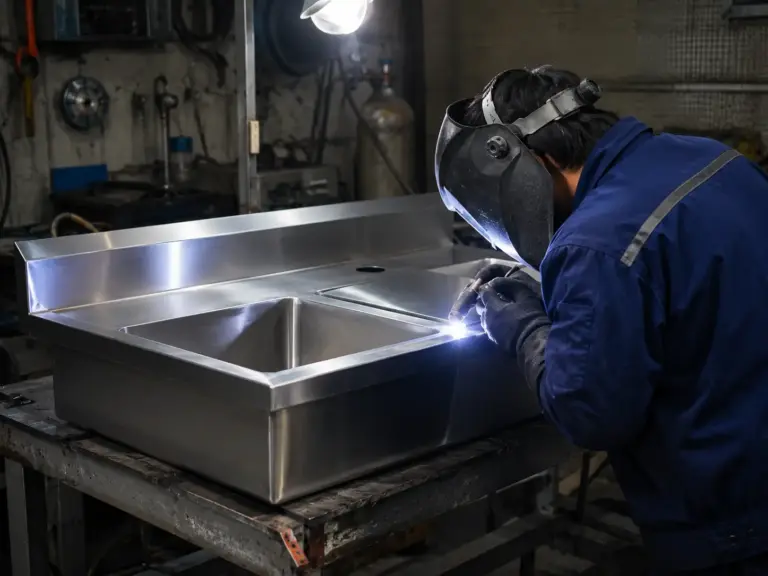
How to Audit a Stainless Steel Kitchen Sink Factory
Quick Answer To verify whether a kitchen sink supplier is a real manufacturer, check whether its factory evidence matches the production method it claims to offer. For stainless steel sinks, verify: The key question is not: Does the factory look busy? It is: Can the equipment, materials, people and records you see actually produce the […]
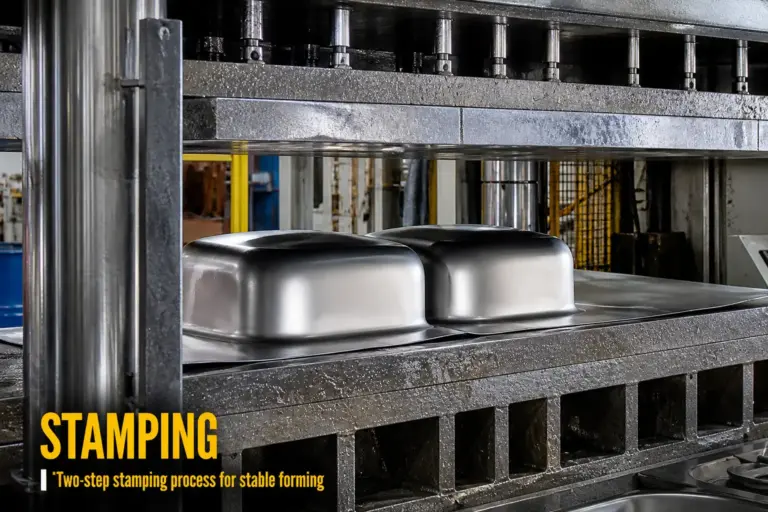
Why Pressed Sink MOQ Is Usually Higher Than Handmade Sink MOQ
Quick Answer Pressed sinks usually have a higher practical MOQ because production depends on: Handmade sinks rely more on flexible sheet fabrication — cutting, bending, welding and polishing — so smaller quantities of one model are often easier to schedule. That is why: Pressed MOQ is driven more by production-run efficiency, while handmade MOQ is […]
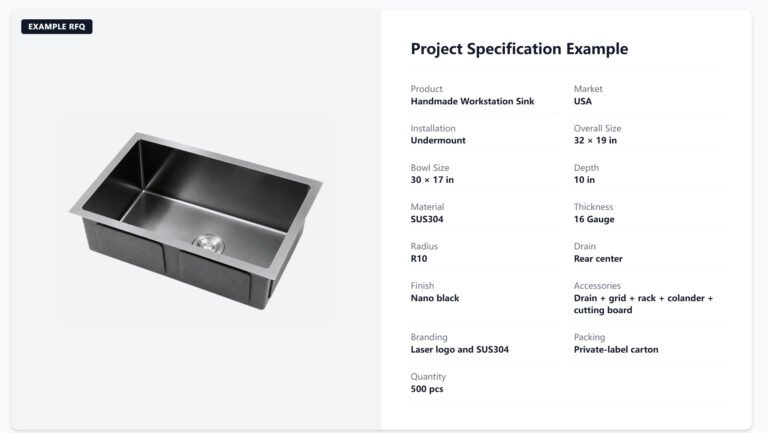
Existing Mold vs New Sink Tooling: What Buyers Should Know
Quick Answer Use an existing pressed-sink mold when the available size, bowl depth, radius, rim and drain layout are already close to your target product. Open new tooling when those dimensions or product geometry are important enough that an existing mold would require too many compromises. The decision usually comes down to: Existing molds usually […]

What Should Be Included in a Kitchen Sink Golden Sample Approval?
Quick Answer A kitchen sink golden sample approval should freeze more than the physical sink. Before mass production, confirm: The physical sample is only one reference. For repeat production, the stronger control is: Golden Sample + Approved Drawing + Specification Record + Packing Reference If only the sample is approved and the written specification remains […]
Need Help Choosing the Right Sink?
If you are comparing sink types, materials, installation methods, accessories, or OEM options, send us your requirement. Matrix can help review the practical next step for your market.
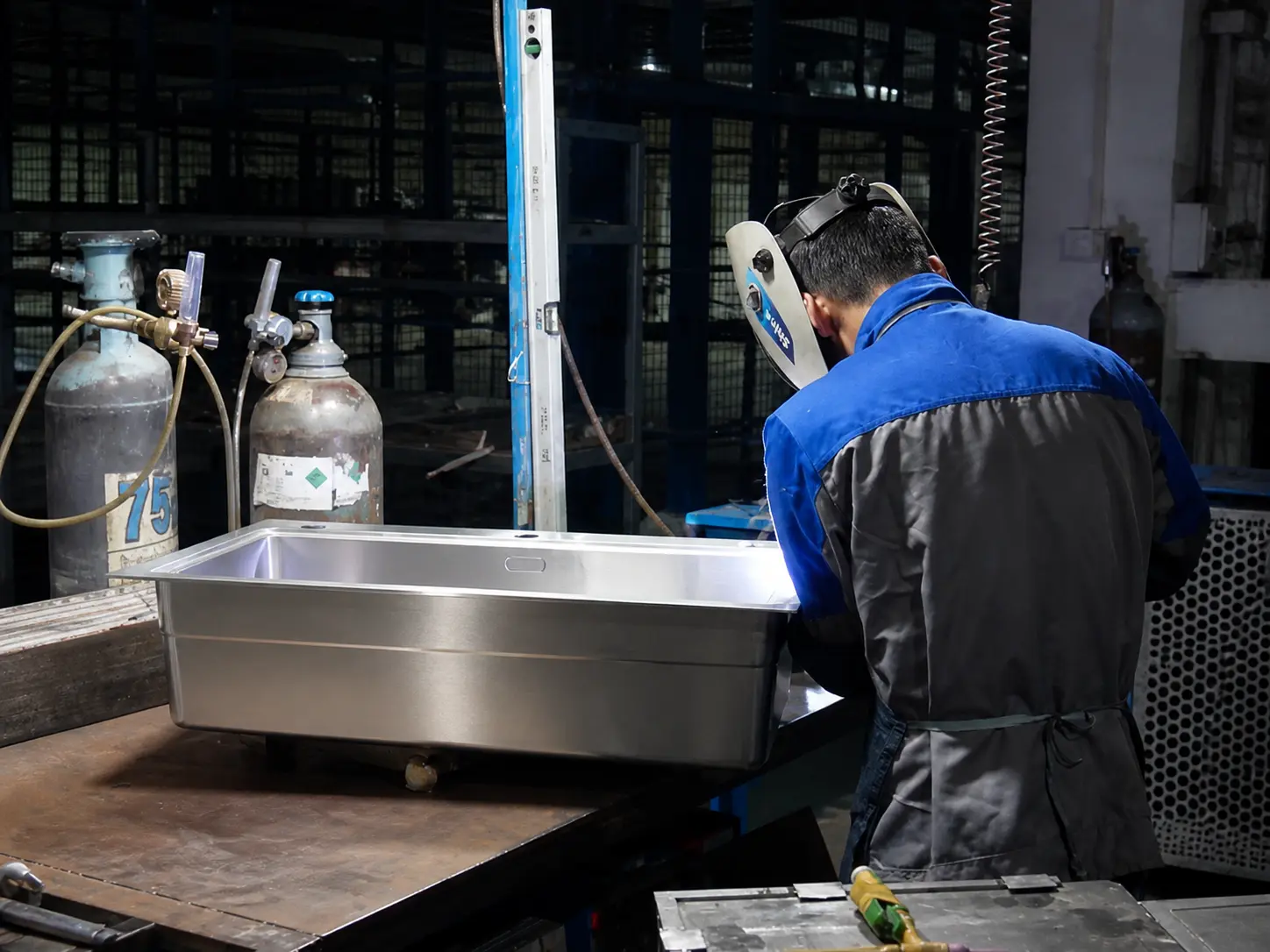
Subscribe to Sink Sourcing Notes
Get practical sink sourcing notes from Matrix Sink — product guides, OEM reminders, packing details, accessory tips, and manufacturing insights for kitchen & bath buyers.
No noisy emails. Just useful updates when we publish guides that help buyers compare products, avoid unclear specifications, and prepare better sourcing decisions.