
Sink Sourcing Knowledge Hub
Practical articles for buyers comparing stainless steel sinks, manufacturing methods, installation types, accessories, OEM programs, packing, and project supply.
Use these guides to understand what matters before choosing a sink model, approving an OEM sample, matching accessories, or placing a wholesale or project order.
Featured Guide

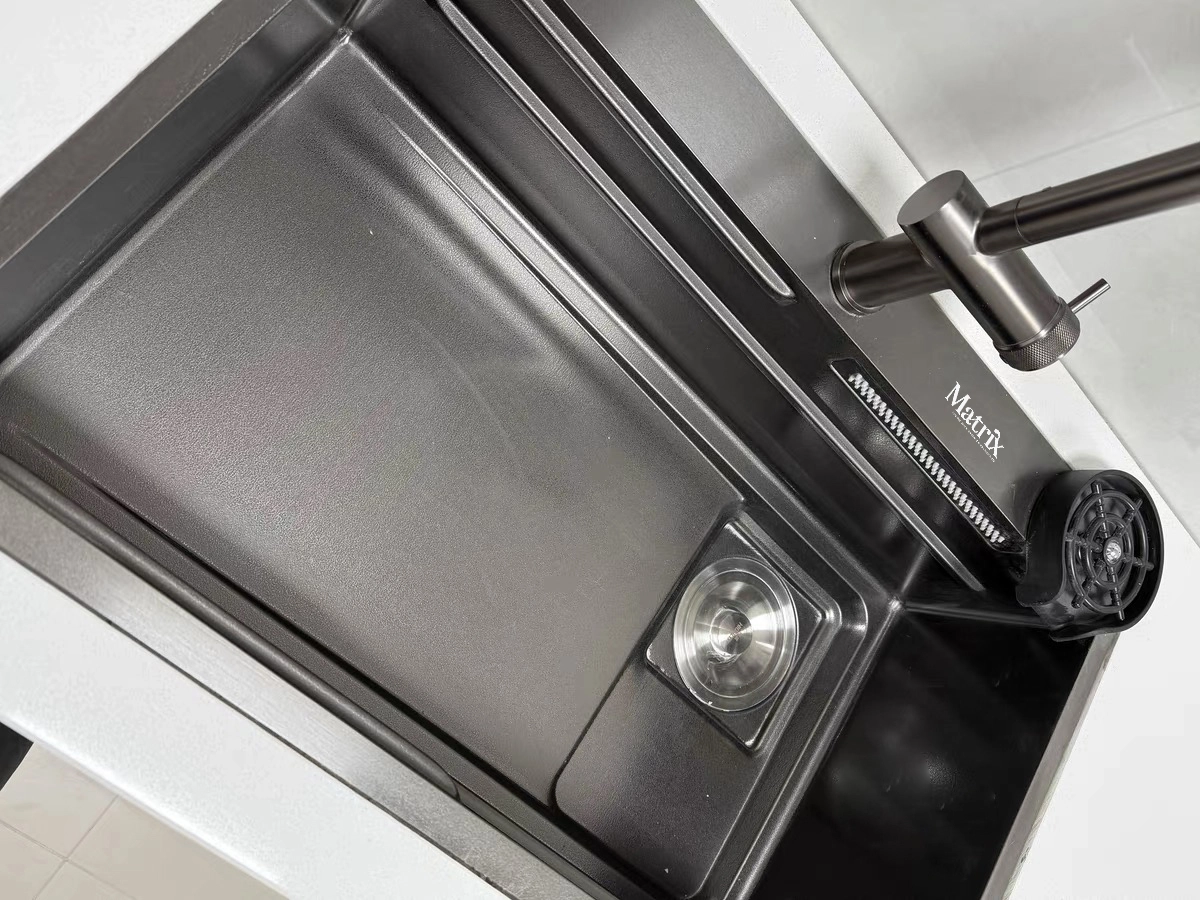
How to Choose the Right Stainless Steel Kitchen Sink
A practical guide for buyers comparing sink type, installation method, material gauge, bowl depth, drain position, accessories, packing, and target market before sourcing.
- Start with application and installation type
- Review material gauge, bowl depth, and drain position
- Confirm accessories and packing before ordering
Latest Sourcing Guides
Read practical guides on sink selection, manufacturing details, OEM supply, accessories, packing, and project sourcing.
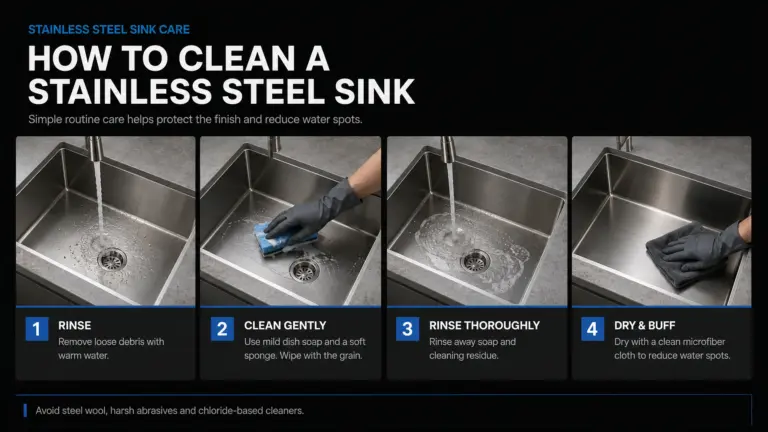
How to Clean a Stainless Steel Sink Without Damaging the Grain
The safest way to clean a brushed stainless steel sink is to remove loose grit, wash with mild dish soap and warm water, wipe gently in the direction of the visible grain, rinse completely and dry with a clean microfiber cloth. Avoid steel wool, wire brushes, harsh abrasive powders and prolonged chloride exposure. Colored, PVD […]
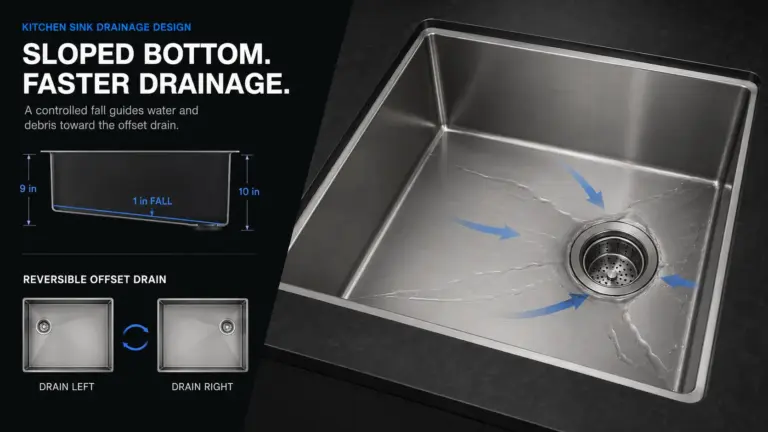
Why Water Pools in a Kitchen Sink?
Water pooling is not always a drain problem. For buyers and QC teams, the first step is to separate sink geometry, drain assembly and installation before deciding whether the sink itself is defective. Quick Answer Water usually pools in a kitchen sink for one of four reasons: These causes can create very similar symptoms. A […]
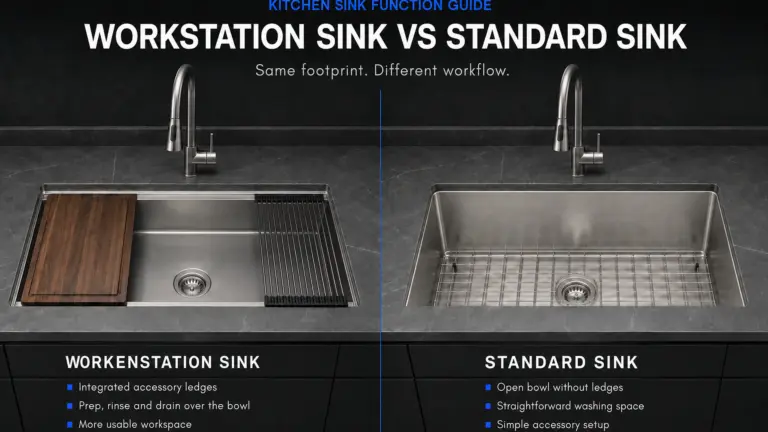
Are Workstation Kitchen Sinks Worth It? Pros, Cons and Who Needs One
A workstation kitchen sink is worth it if you regularly prepare, rinse or dry food over the sink, especially when countertop space is limited. It is less worthwhile if you want a completely open bowl, rarely cook or do not want to clean and store fitted accessories. The decisive factor is not how many accessories […]
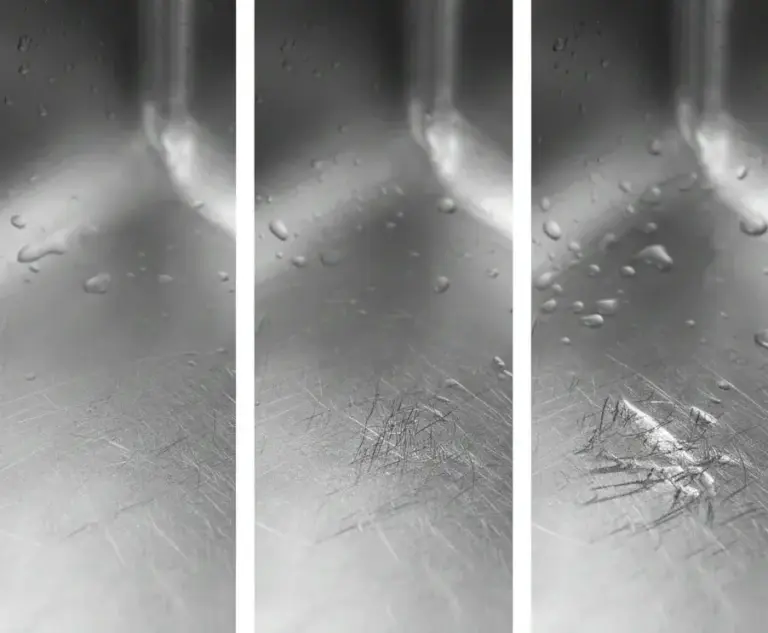
Stainless Steel Sink Scratches: Normal Wear or a Quality Problem?
Fine scratches on a stainless steel sink are usually normal wear. Stainless steel is durable and corrosion-resistant, but cookware, cutlery, cleaning tools and trapped grit can still mark its surface. A quality or handling problem is more likely when scratches are deep, present before use, inconsistent with the approved grain, repeated across multiple sinks, caused […]
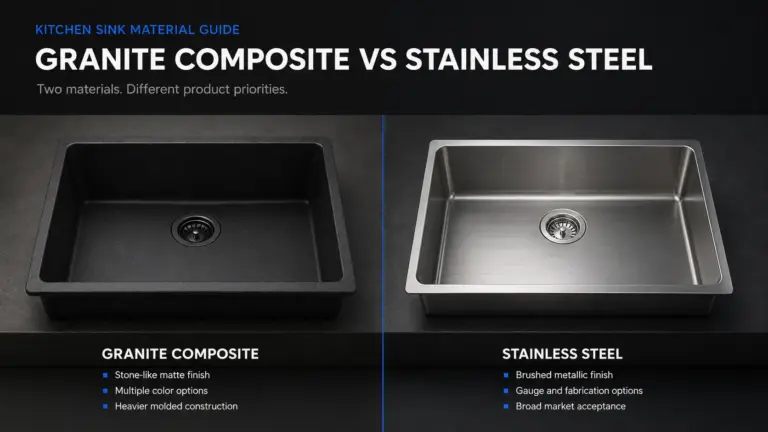
Granite Composite vs Stainless Steel Sinks: Which Is Better for Your Kitchen?
Neither material is better for every kitchen. Stainless steel is usually the more forgiving choice for heavy cookware, frequent use, lower installation weight and workstation designs. Granite composite is often better when quietness, matte color and a stone-like appearance matter most. The right choice depends on how you cook, your water quality, cleaning habits, installation […]
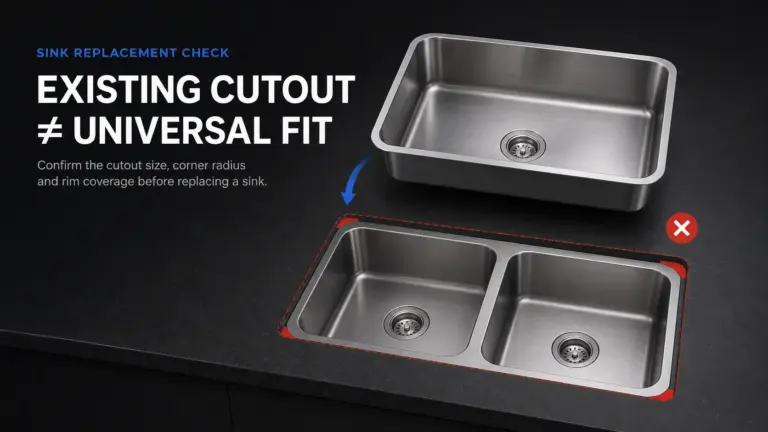
How to Measure a Replacement Kitchen Sink for an Existing Countertop Cutout
A replacement sink must fit the existing countertop opening—not just match the old sink’s advertised size. Measure the cutout length, width and corner radius; identify the installation type and reveal; then confirm rim coverage, cabinet clearance, bowl depth, drain position and plumbing space. The Short Version: Can the New Sink Fit? A replacement is only […]
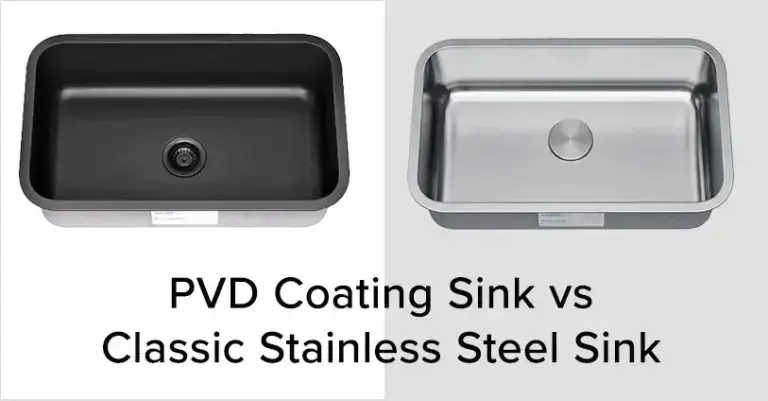
Black/PVD Sink Durability and Scratch Claims: What Buyers Should Know
Black PVD kitchen sinks can be durable, but no working sink is scratch-proof. PVD creates a very thin, hard colored layer on stainless steel. It can resist everyday wear better than some decorative coloring methods, but a sharp knife, dragged cast-iron pan, ceramic base, trapped grit or moving bottom grid can still mark or penetrate […]
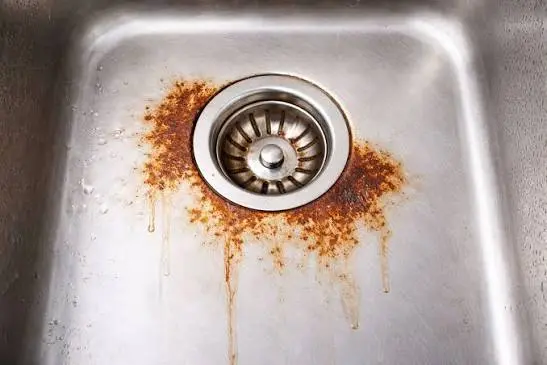
Why Do Stainless Steel Sinks Show Rust? 201 vs 304 vs 316 Explained
Rust-colored spots on a stainless steel sink do not automatically mean the sink is made from poor or fake material. The orange color may come from iron particles sitting on the sink, not from the stainless steel bowl itself. Steel wool, construction dust, wet food cans, rusty cookware, drain components and iron in the water […]
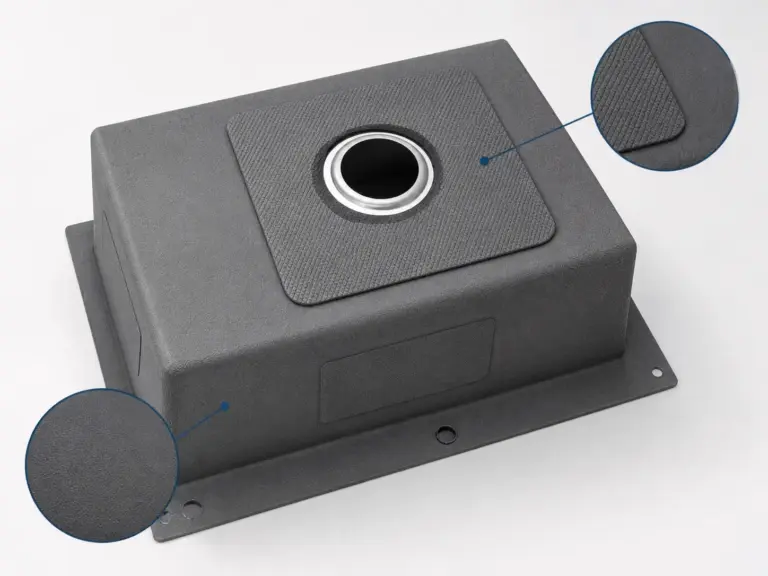
Sink Soundproofing Pads vs Undercoating: What Really Reduces Noise?
Sink soundproofing pads and undercoating are not the same thing, and neither makes a stainless steel sink completely soundproof. Sound-dampening pads provide the most direct control of bowl vibration and metallic ringing. Undercoating may add secondary damping, but its performance depends on the formulation. An anti-condensation coating is primarily intended to slow heat transfer and […]
Need Help Choosing the Right Sink?
If you are comparing sink types, materials, installation methods, accessories, or OEM options, send us your requirement. Matrix can help review the practical next step for your market.
Subscribe to Sink Sourcing Notes
Get practical sink sourcing notes from Matrix Sink — product guides, OEM reminders, packing details, accessory tips, and manufacturing insights for kitchen & bath buyers.
No noisy emails. Just useful updates when we publish guides that help buyers compare products, avoid unclear specifications, and prepare better sourcing decisions.