
Sink Sourcing Knowledge Hub
Practical articles for buyers comparing stainless steel sinks, manufacturing methods, installation types, accessories, OEM programs, packing, and project supply.
Use these guides to understand what matters before choosing a sink model, approving an OEM sample, matching accessories, or placing a wholesale or project order.
Featured Guide

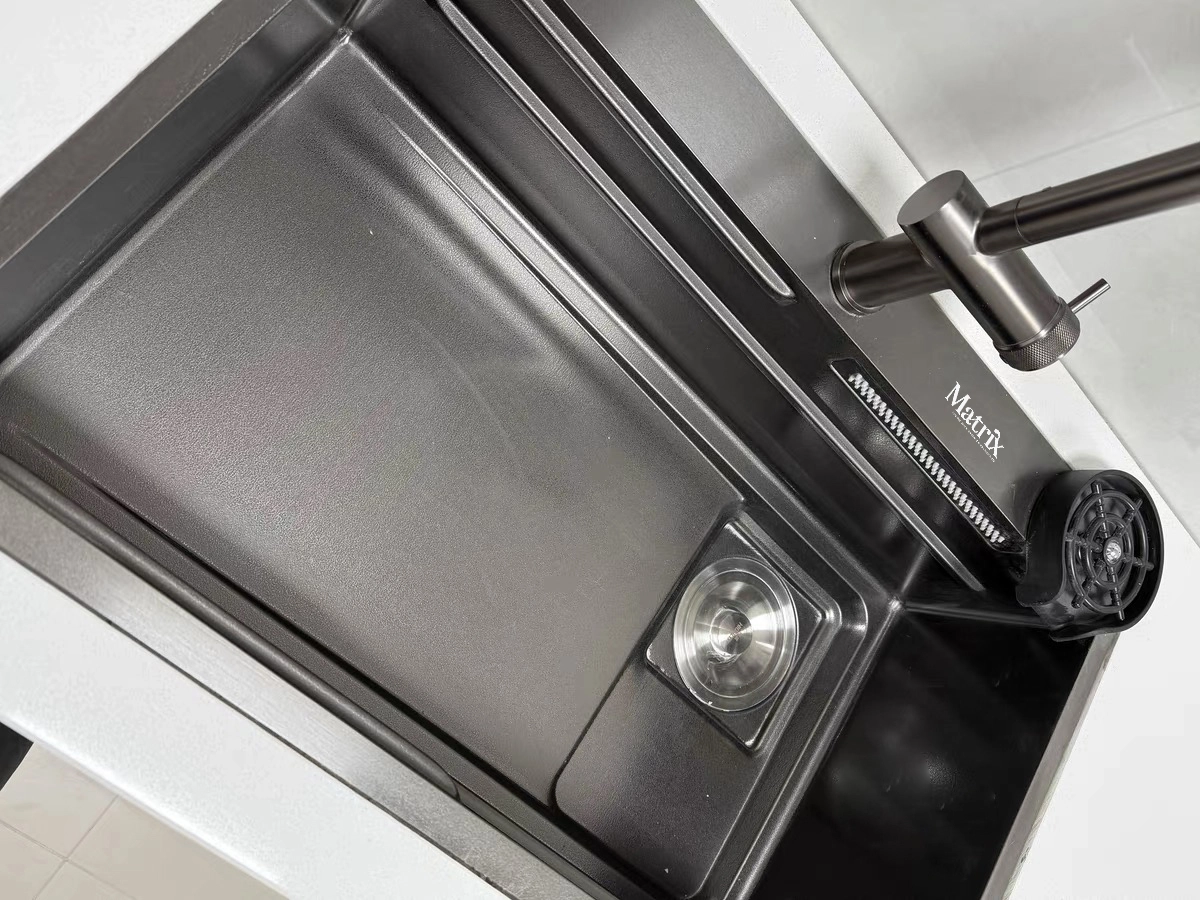
How to Choose the Right Stainless Steel Kitchen Sink
A practical guide for buyers comparing sink type, installation method, material gauge, bowl depth, drain position, accessories, packing, and target market before sourcing.
- Start with application and installation type
- Review material gauge, bowl depth, and drain position
- Confirm accessories and packing before ordering
Latest Sourcing Guides
Read practical guides on sink selection, manufacturing details, OEM supply, accessories, packing, and project sourcing.
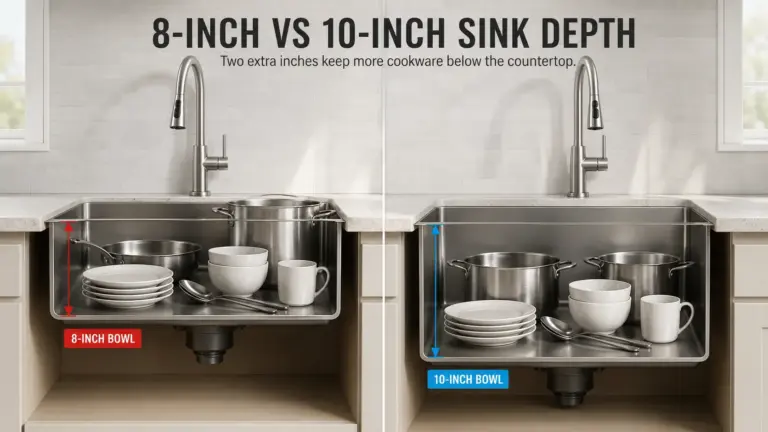
8 vs 9 vs 10 Inch Kitchen Sink Depth: Which Is Best?
For most household kitchens, a 9-inch-deep sink offers the best overall balance. An 8-inch sink is easier to reach into and leaves more room below the bowl. A 10-inch sink provides more vertical capacity for large cookware and helps contain splashing, but it also requires more bending and can create cabinet or plumbing conflicts. The […]
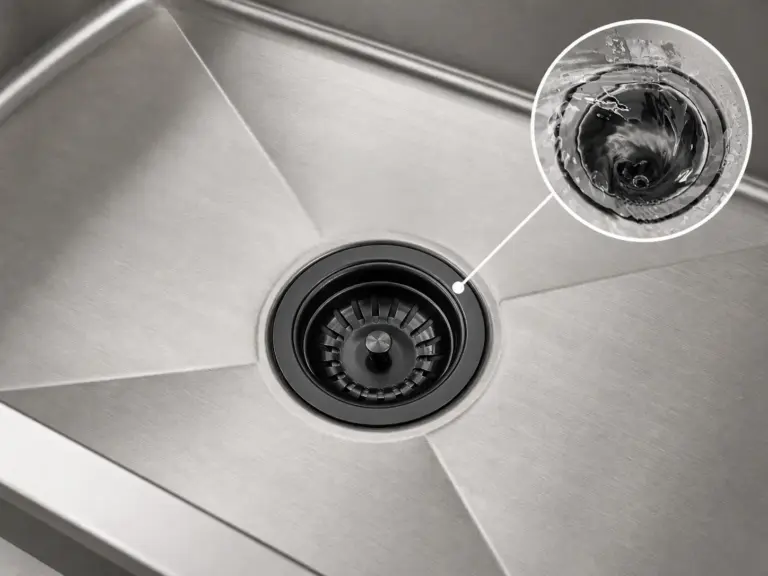
Kitchen Sink Drain Hole Sizes & Garbage Disposal Compatibility
Most standard kitchen garbage disposals are designed for a 3.5-inch sink drain opening, commonly described as approximately 90 mm. That does not mean every sink with a 3.5-inch hole is automatically ready for every disposal. The opening diameter is only the first compatibility check. The disposal flange, mounting system, sink thickness, cabinet space, bowl depth, […]
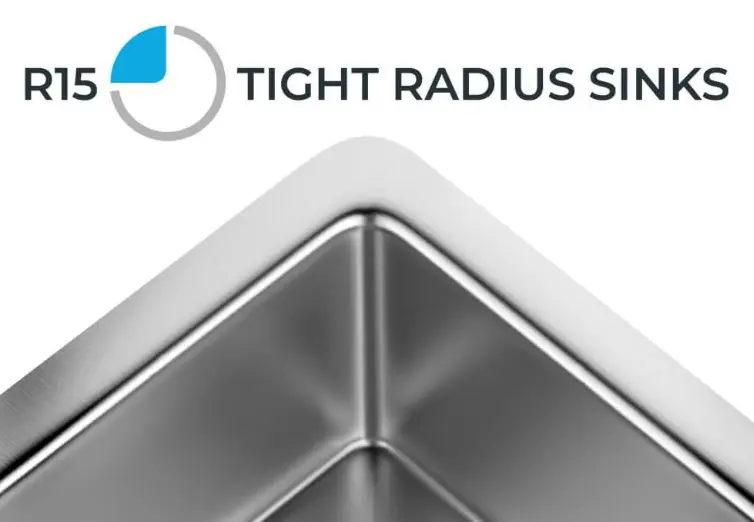
R0 vs R10 vs R15 Sink Corner Radius: Which Is Best?
The best sink corner radius is not always the sharpest one. R0, R10 and R15 are common market terms for the internal corner geometry of a stainless steel sink. A smaller stated radius normally creates a squarer appearance, while a larger radius creates a softer curve. In the handmade sink industry, R10 is one of […]
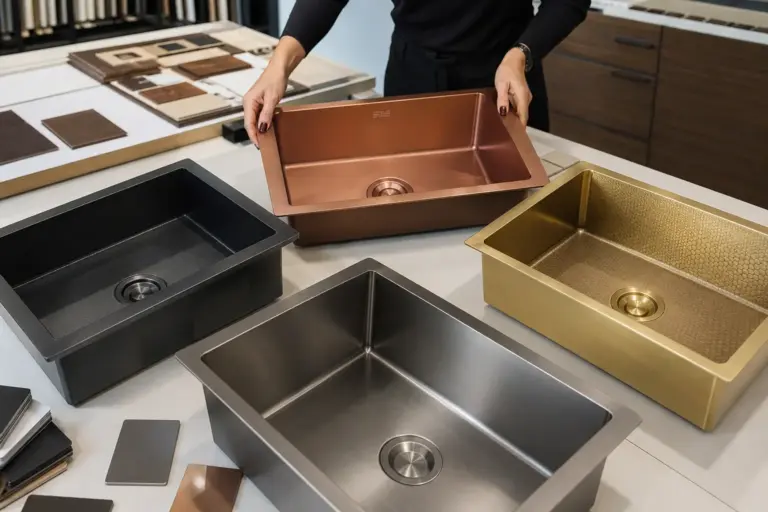
Honeycomb & Nano Kitchen Sinks: Differences, Pros, Cons and Buying Advice
Honeycomb and nano kitchen sinks are often sold as if they were the same technology. They are not. A honeycomb sink usually has a visible hexagonal or geometric texture embossed into part of the stainless steel surface. A nano sink usually refers to a stainless steel sink with an added surface treatment or coating. However, […]

Stainless Steel Sink Quality Inspection Checklist: What Buyers Should Check
A stainless steel sink should not pass inspection simply because it looks clean in a product photo. Real sink quality includes material, thickness, dimensions, rim flatness, surface finish, welding or forming, drainage, holes, sound pads, accessories, installation fit and packaging. For importers, kitchen brands, distributors and project buyers, the goal is not only to approve […]
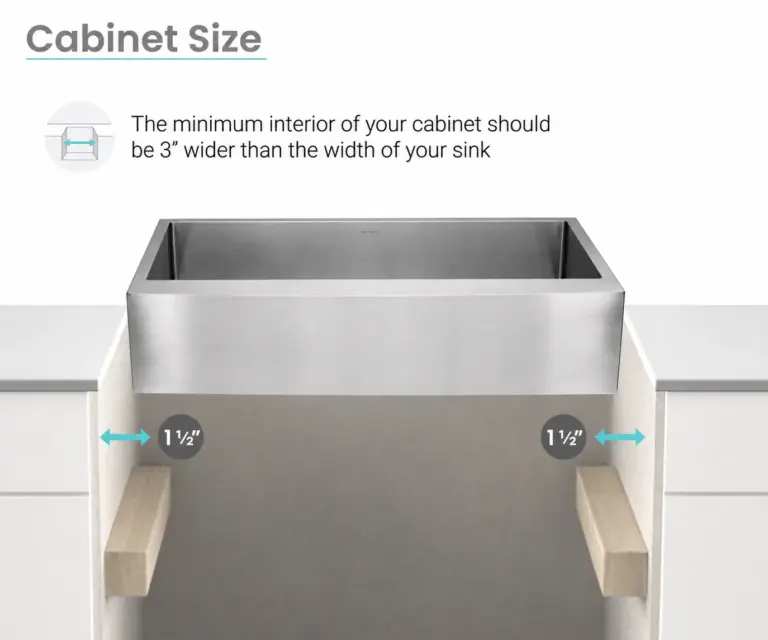
Standard Kitchen Sink Sizes & Cabinet Compatibility: A Complete Fit Guide
There is no single standard kitchen sink size that fits every kitchen. Most main kitchen sinks are approximately 24 to 36 inches wide, 18 to 22 inches from front to back, and 8 to 10 inches deep. Among them, 30-inch and 33-inch sinks are common choices for family kitchens. But the sink size on the […]

How to Choose the Right Stainless Steel Kitchen Sink?
The best stainless steel kitchen sink is not necessarily the biggest, deepest or thickest one you can afford. It is the sink that fits your cabinet, countertop, cooking habits and cleaning preferences without creating installation or plumbing problems. For most households, a practical starting point is: This is not a universal specification. Your cabinet and […]
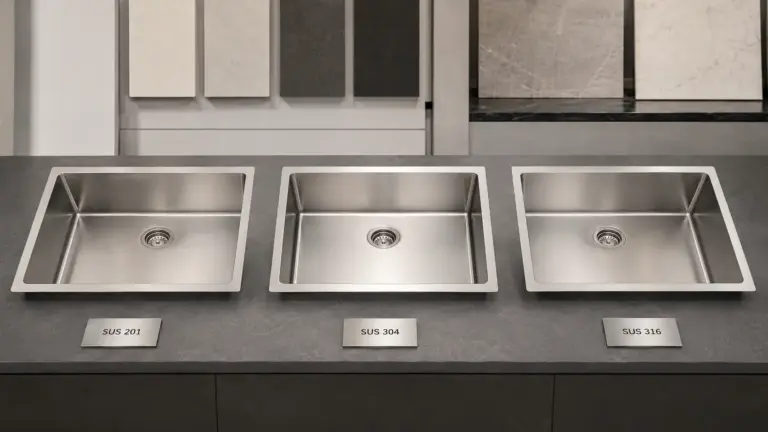
201 vs 304 vs 316 Stainless Steel Sinks: Which Is Best?
The usual answer is simple: 201 is the budget option, 304 is the standard choice, and 316 is the premium choice. It is also incomplete. The steel grade mainly changes the sink’s corrosion margin. It does not tell you whether the bowl drains well, the rim stays flat, the finish hides scratches, or the packaging […]
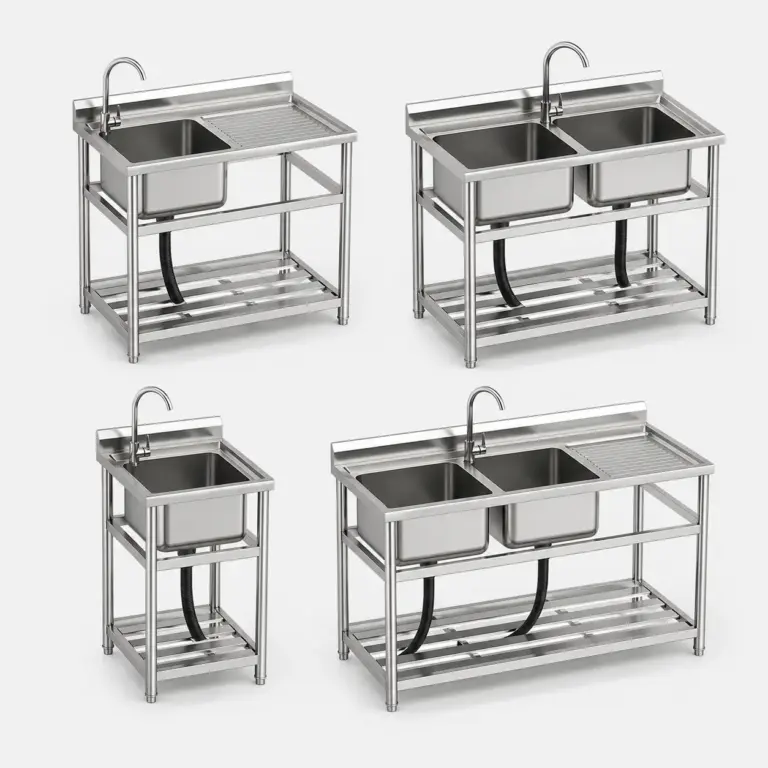
Top 12 Kitchen Sink Manufacturers, Suppliers & Brands in Israel 2026
Israel is a small market, but the kitchen sink category is not simple. Some buyers look for stainless steel sinks. Some prefer granite or fireclay sinks. Some buy the sink as part of a full kitchen renovation. Others need commercial stainless steel solutions for restaurants, hotels, laboratories, or foodservice spaces. That makes Israel different from […]
Need Help Choosing the Right Sink?
If you are comparing sink types, materials, installation methods, accessories, or OEM options, send us your requirement. Matrix can help review the practical next step for your market.
Subscribe to Sink Sourcing Notes
Get practical sink sourcing notes from Matrix Sink — product guides, OEM reminders, packing details, accessory tips, and manufacturing insights for kitchen & bath buyers.
No noisy emails. Just useful updates when we publish guides that help buyers compare products, avoid unclear specifications, and prepare better sourcing decisions.