
Sink Sourcing Knowledge Hub
Practical articles for buyers comparing stainless steel sinks, manufacturing methods, installation types, accessories, OEM programs, packing, and project supply.
Use these guides to understand what matters before choosing a sink model, approving an OEM sample, matching accessories, or placing a wholesale or project order.
Featured Guide

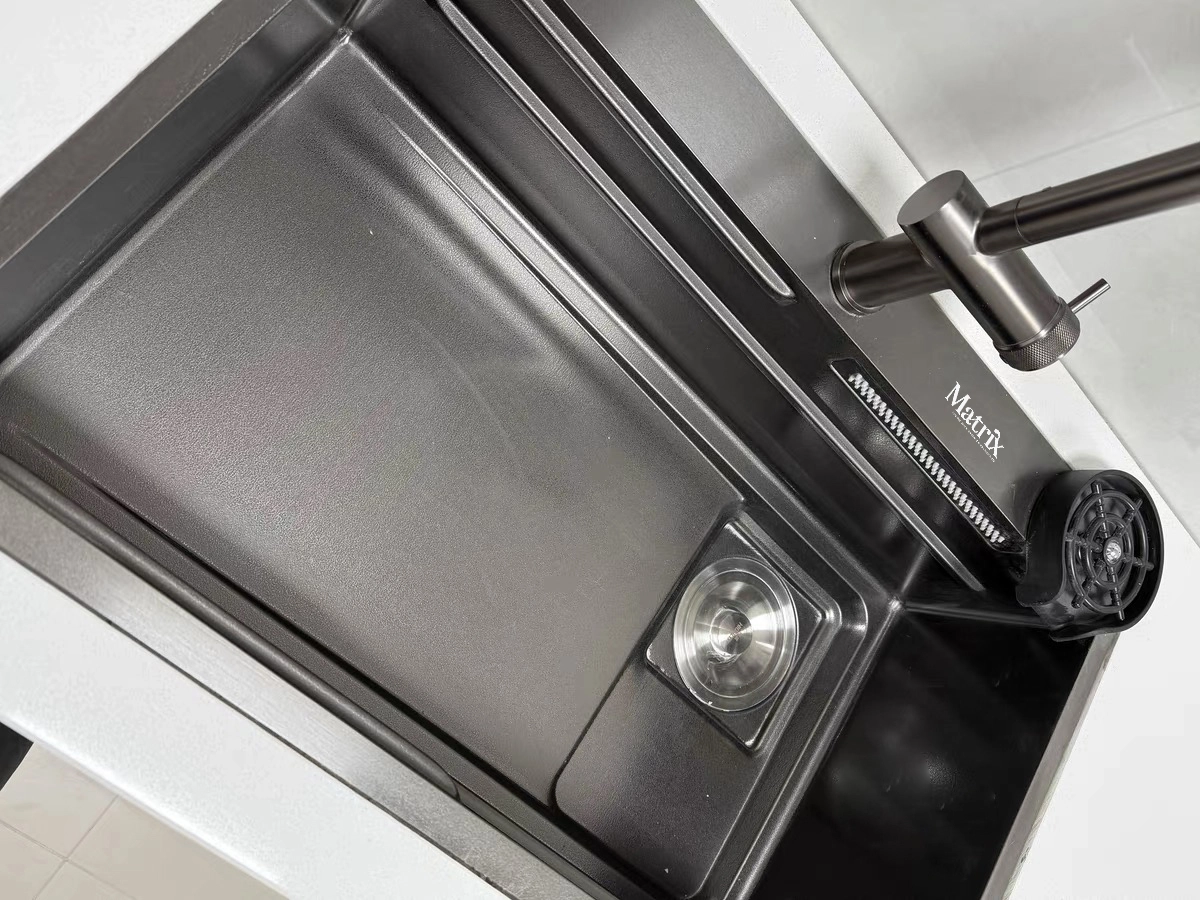
How to Choose the Right Stainless Steel Kitchen Sink
A practical guide for buyers comparing sink type, installation method, material gauge, bowl depth, drain position, accessories, packing, and target market before sourcing.
- Start with application and installation type
- Review material gauge, bowl depth, and drain position
- Confirm accessories and packing before ordering
Latest Sourcing Guides
Read practical guides on sink selection, manufacturing details, OEM supply, accessories, packing, and project sourcing.
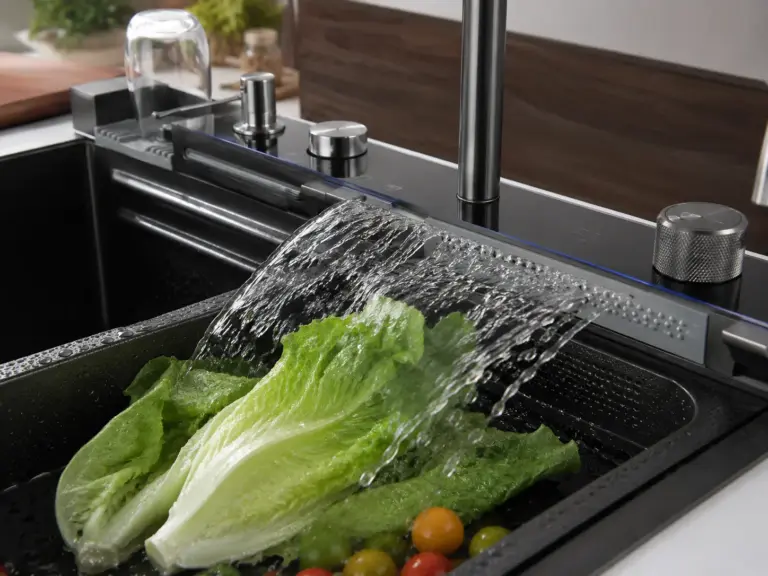
Are Waterfall Kitchen Sinks Worth It? Features, Problems and Buyer Checklist
Waterfall kitchen sinks can be worth it for buyers who regularly wash produce, want an integrated workstation and can obtain reliable installation support and replacement parts. They are less suitable for buyers who want the simplest possible sink, have limited cabinet space, experience low water pressure or cannot confirm long-term access to cartridges, hoses, control […]
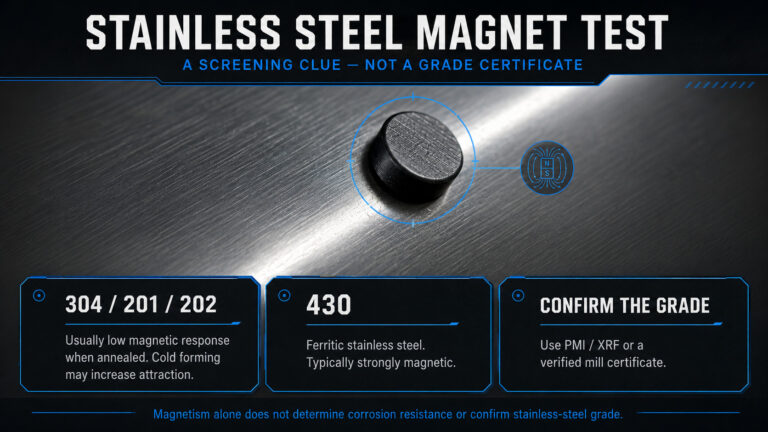
Is Stainless Steel Sink Magnetic? Can a Magnet Test Prove SUS304?
A stainless steel sink can show magnetic response and still be SUS304. For buyers, the important question is not whether a magnet sticks, but whether the material grade can be verified against the actual production batch. Quick Answer Yes. SUS304 can become slightly magnetic after cold forming, bending, pressing or welding. This is especially common […]
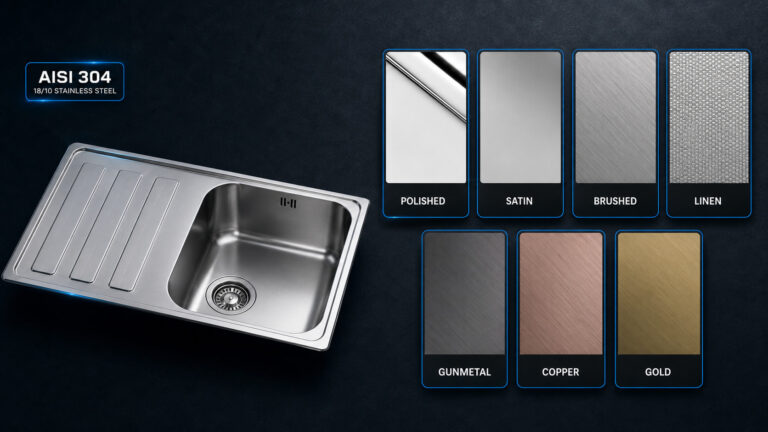
Brushed vs Satin vs Polished Stainless Steel Sink Finishes
A stainless steel sink finish affects far more than its appearance. It changes how the sink reflects light, shows scratches, reveals water spots, responds to cleaning and looks after months of daily use. The quick answer is: The best sink finish is not necessarily the one that looks cleanest under showroom lighting. It is the […]
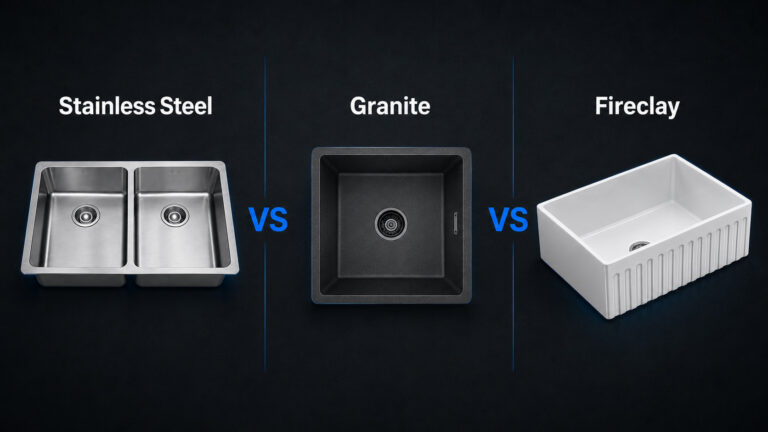
Fireclay vs Stainless Steel Kitchen Sinks: Which Is Better?
Fireclay is usually better for buyers who want a solid, traditional farmhouse appearance and a glossy surface that resists everyday scratching. Stainless steel is usually better for high-use kitchens, large cookware, easier installation, lower shipping risk and broader size or configuration options. The real difference is how the two materials age. The better sink is […]
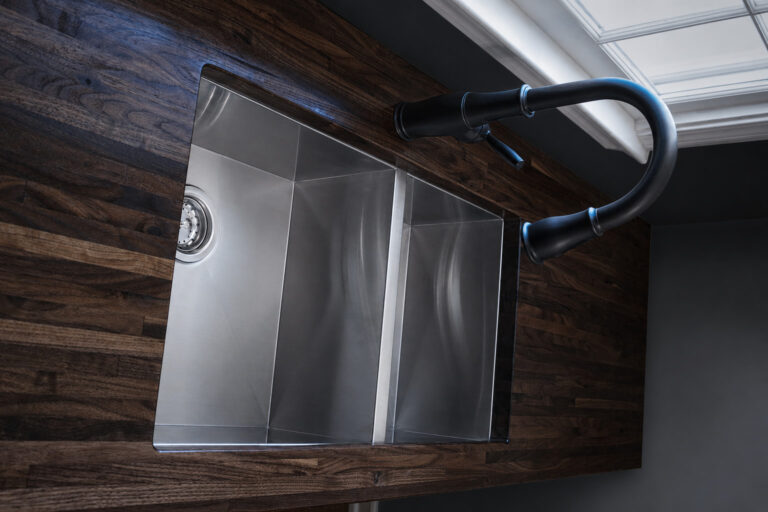
Can You Install an Undermount Sink with Laminate, Butcher Block, Quartz or Porcelain Countertops?
Yes—but not every countertop can use the same undermount sink or installation method. Quartz is usually the most straightforward of these four materials. Porcelain slab can also work, but its thin, hard cutout edge requires specialist fabrication and support. Butcher block is possible when the exposed wood is completely sealed and maintained. Conventional laminate requires […]
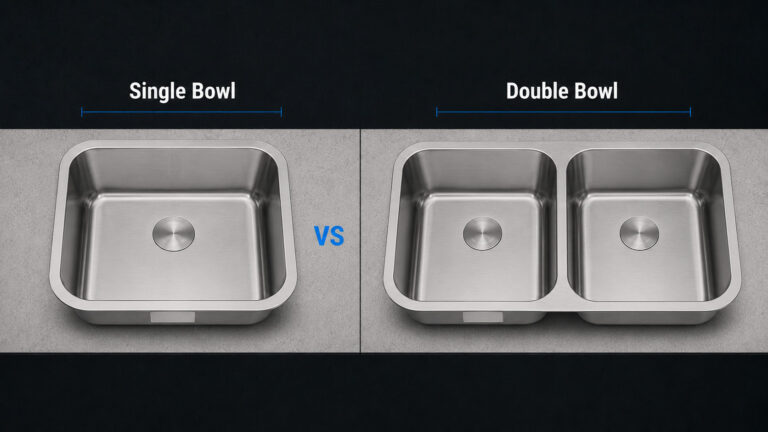
Single Bowl vs Double Bowl Kitchen Sinks: Which Is Better for the Way You Cook?
A single bowl kitchen sink is usually better for washing large cookware, using workstation accessories and keeping the plumbing simple. A double bowl kitchen sink is usually better for hand-washing, separating food preparation from cleanup and keeping one bowl available while the other is occupied. But bowl count alone does not decide which sink will […]
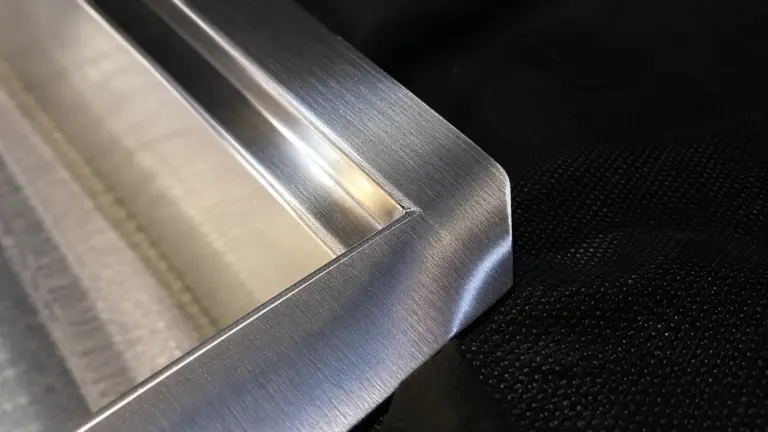
Why Is a New Stainless Steel Sink Rim Not Flat?
A new stainless steel sink rim may appear raised, bowed or twisted because of manufacturing stress, welding distortion, trimming, shipping damage or installation interference. However, a visible gap does not automatically mean the sink is defective. The gap may be caused by: The fastest way to find the cause is to perform three separate tests: […]
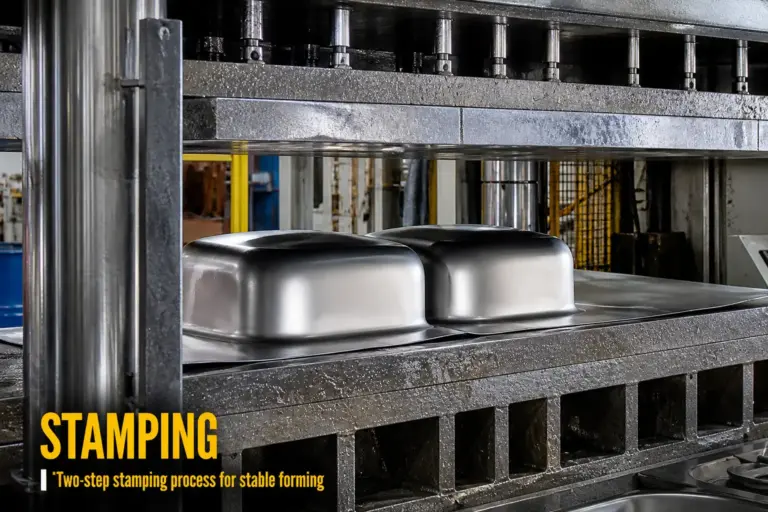
How Pressed Sink Forming Changes Stainless Steel Thickness?
How deep drawing redistributes stainless steel thickness, where local thinning is most likely, and what buyers should measure before approving a pressed sink. Quick Answer Yes. Pressing can make some areas of a stainless steel sink thinner, but the thickness does not decrease uniformly across the entire bowl. Local thinning is more likely around: Other […]
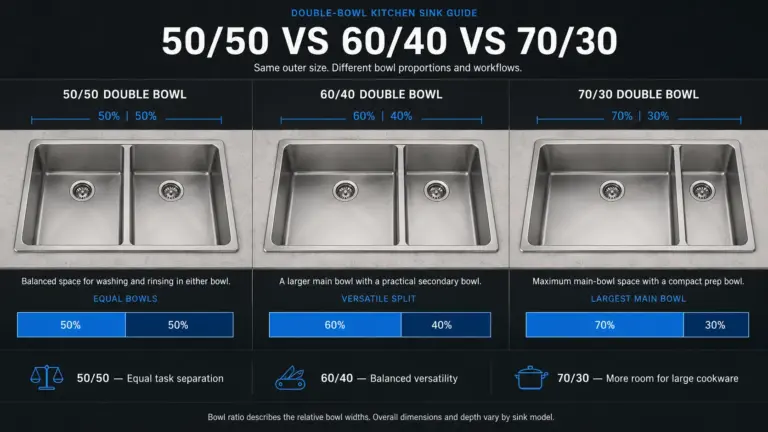
50/50 vs 60/40 vs 70/30 Double-Bowl Sinks: Which Split Should You Choose?
A 50/50 double-bowl sink provides two similarly sized working zones. A 60/40 sink gives one bowl more space while keeping the second bowl practical. A 70/30 sink prioritizes a large main bowl and turns the smaller bowl into a specialized prep or rinsing zone. The quick recommendation is: However, the ratio is only a label. […]
Need Help Choosing the Right Sink?
If you are comparing sink types, materials, installation methods, accessories, or OEM options, send us your requirement. Matrix can help review the practical next step for your market.
Subscribe to Sink Sourcing Notes
Get practical sink sourcing notes from Matrix Sink — product guides, OEM reminders, packing details, accessory tips, and manufacturing insights for kitchen & bath buyers.
No noisy emails. Just useful updates when we publish guides that help buyers compare products, avoid unclear specifications, and prepare better sourcing decisions.