
Sink Sourcing Knowledge Hub
Practical articles for buyers comparing stainless steel sinks, manufacturing methods, installation types, accessories, OEM programs, packing, and project supply.
Use these guides to understand what matters before choosing a sink model, approving an OEM sample, matching accessories, or placing a wholesale or project order.
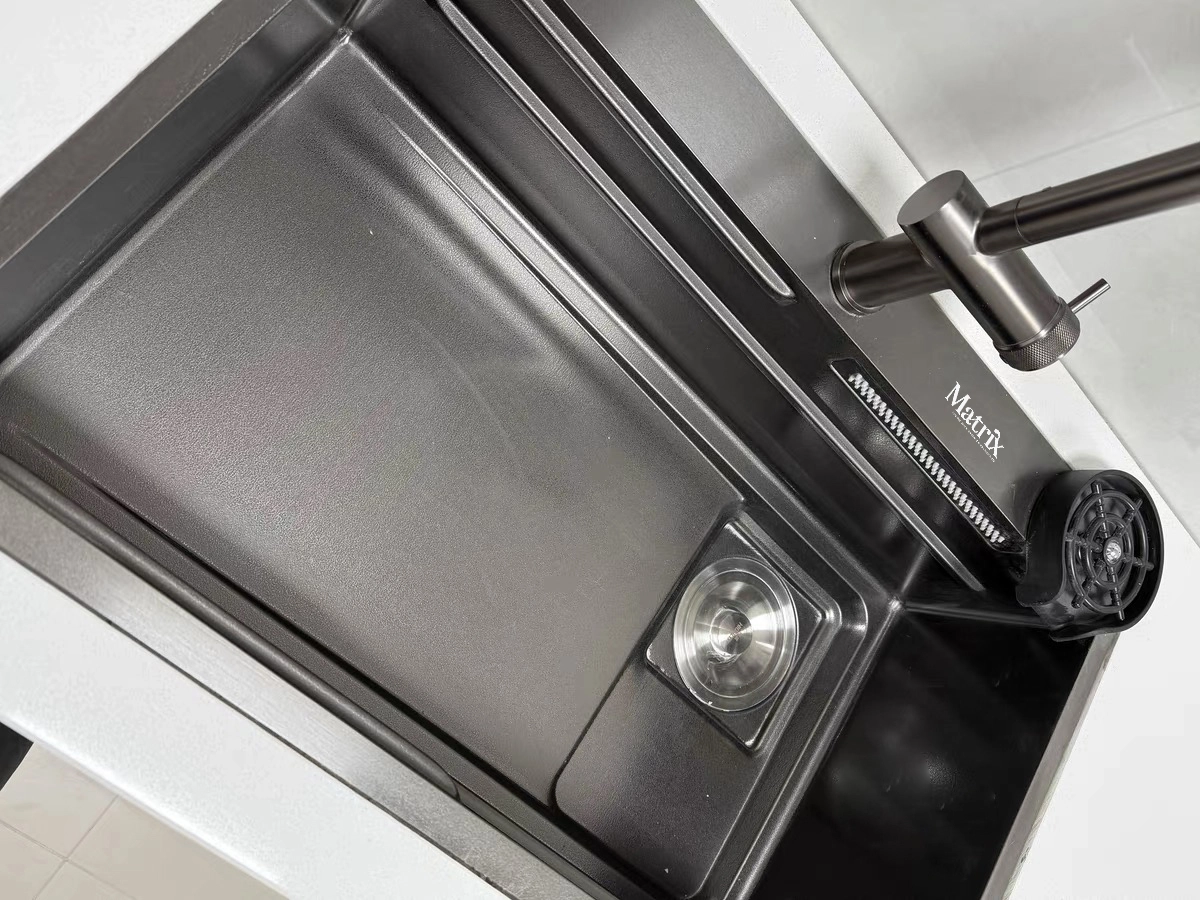
Featured Guide

How to Choose the Right Stainless Steel Kitchen Sink
A practical guide for buyers comparing sink type, installation method, material gauge, bowl depth, drain position, accessories, packing, and target market before sourcing.
- Start with application and installation type
- Review material gauge, bowl depth, and drain position
- Confirm accessories and packing before ordering
Latest Sourcing Guides
Read practical guides on sink selection, manufacturing details, OEM supply, accessories, packing, and project sourcing.
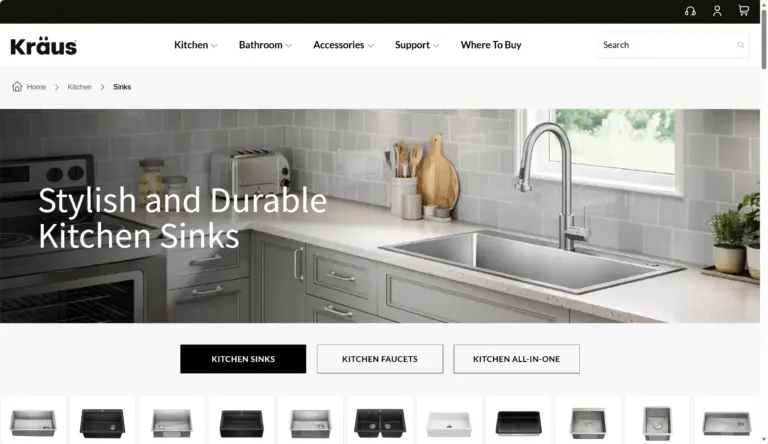
Where Are Kraus Kitchen Sinks Made?
Kraus is an American kitchen and bath brand, but its kitchen sinks are not generally manufactured in the United States. Public customs information confirms that selected Kraus stainless steel sinks are fabricated in Thailand. The concise answer is: Kraus manages its brand and US market operations in America, while at least part of its stainless […]
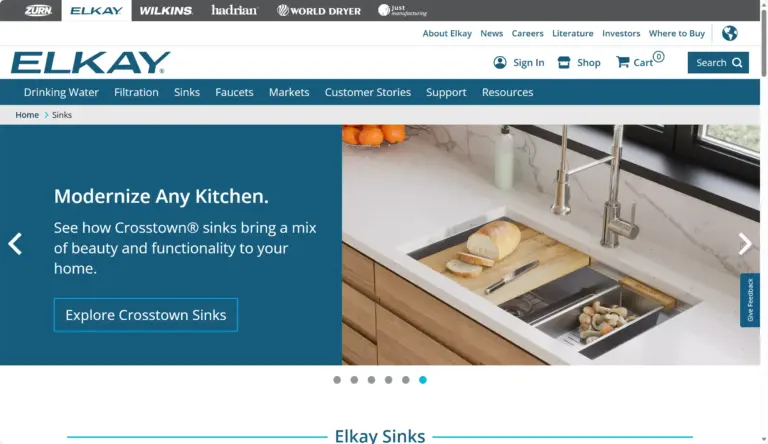
Where Are Elkay Kitchen Sinks Made?
Elkay is an American sink brand with substantial manufacturing in the United States. Unlike many US-market sink brands that mainly import finished products, Elkay still describes several of its major stainless steel sink collections as built in the USA. However, not every Elkay sink comes from the same country. The company has also expanded through […]
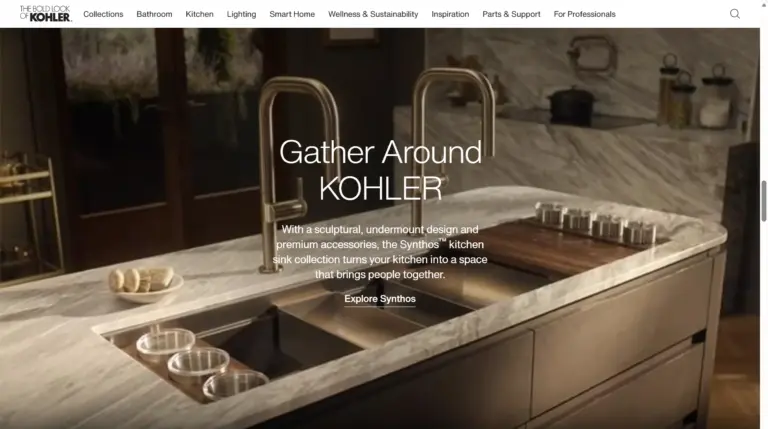
Where Are Kohler Kitchen Sinks Made? USA, Mexico and the Global Supply Chain
Kohler is an American brand, but not every Kohler kitchen sink is made in the United States. The clearest public evidence points to two important production locations: Kohler also has a large global manufacturing network. However, the existence of Kohler factories in China, India, Thailand or other countries does not prove that a particular kitchen […]
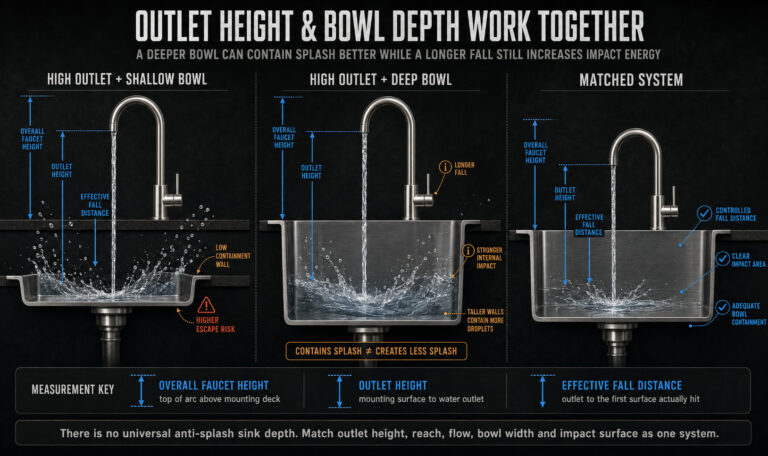
Why Does a Kitchen Faucet Splash?
A kitchen faucet splashes when the water hits the wrong part of the sink, falls too far, exits in an unstable stream or strikes a surface that redirects it outside the bowl. The faucet is not always defective, and the sink is not always too shallow. In many cases, two individually acceptable products simply do […]
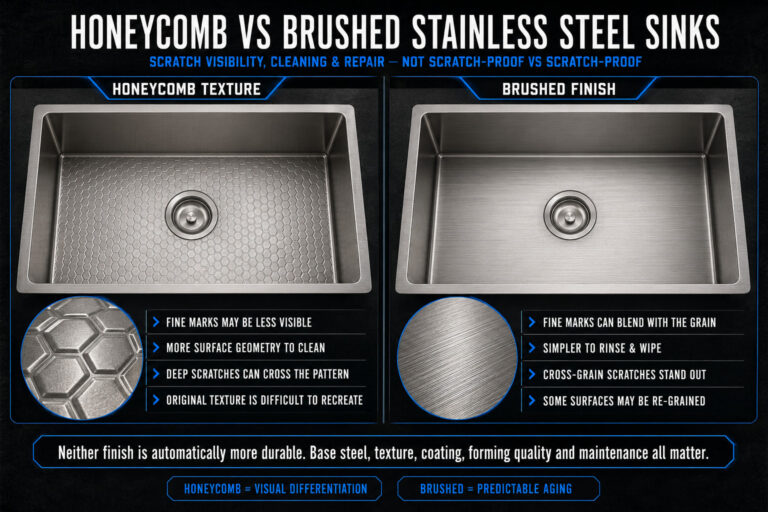
Honeycomb vs Brushed Stainless Steel Sinks: Scratches, Cleaning and Durability
Honeycomb stainless steel sinks are often marketed as scratch-resistant, stain-resistant and easier to clean than conventional brushed sinks. The textured pattern can make everyday marks less visible and reduce broad contact between cookware and the sink bottom. But it does not make stainless steel scratch-proof. In some products, “honeycomb” describes only an embossed stainless steel […]
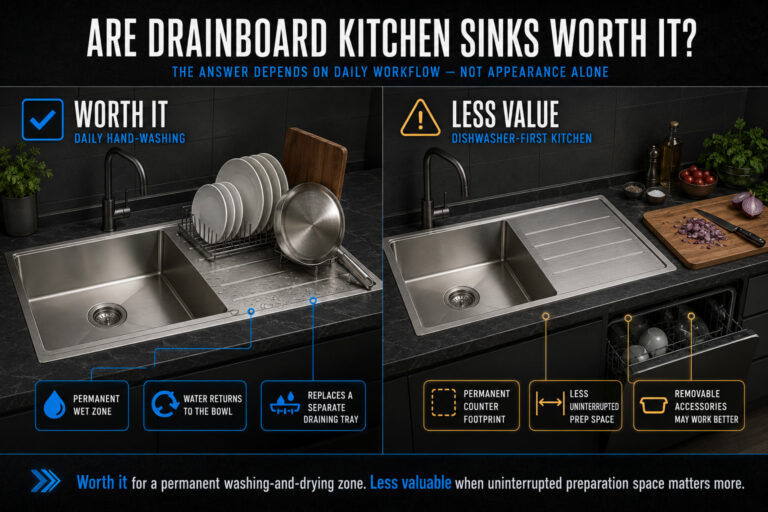
Are Drainboard Kitchen Sinks Worth It? Pros, Cons and Space Requirements
A drainboard kitchen sink combines a washing bowl with a built-in sloped surface for drying dishes, rinsing produce or placing wet cookware. It can keep water away from the surrounding countertop and reduce the need for a separate drying tray. But the drainboard permanently occupies part of the kitchen worktop, and a poorly designed one […]
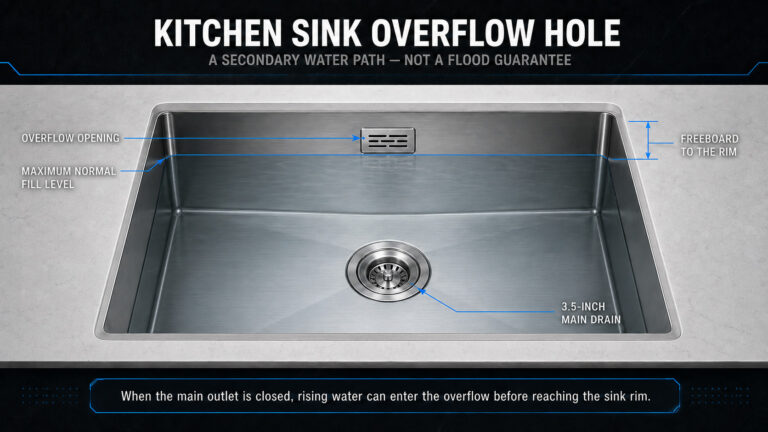
Do Kitchen Sinks Need an Overflow Hole? Pros, Risks and Regional Differences
Many bathroom sinks have a small opening near the top of the bowl, while many kitchen sinks do not. This raises an obvious question: Does a kitchen sink need an overflow hole to prevent flooding? Not necessarily. Kitchen sink overflow requirements and buying preferences vary by region, product standard, project specification and drainage system. A […]
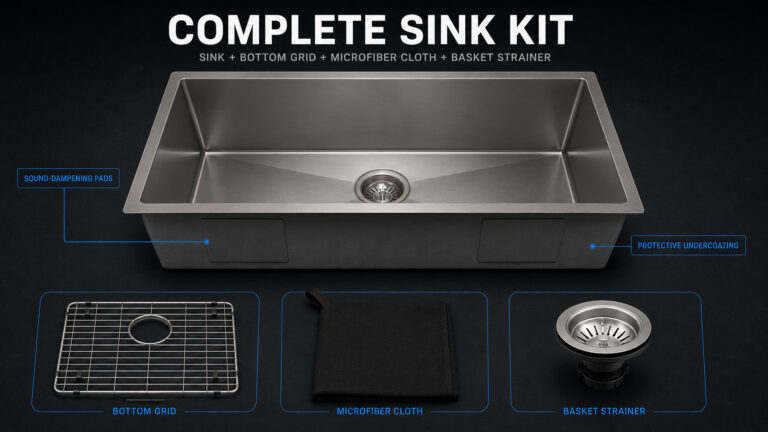
Do X-Grooves Really Improve Kitchen Sink Drainage?
X-shaped grooves are common on handmade stainless steel sinks. They are usually described as drainage channels that guide water from the corners toward the drain. But do they really work? The honest answer is: X-grooves can help guide water, but they cannot compensate for an incorrectly sloped or uneven sink bottom. A sink with visible […]
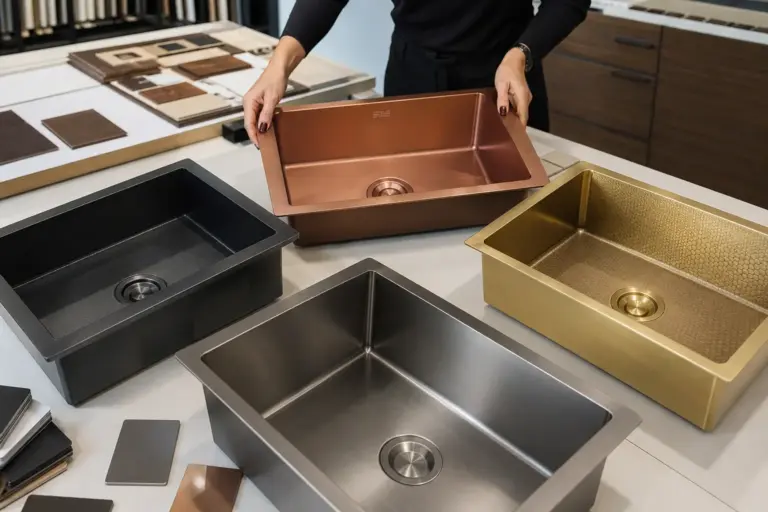
Nano-Coated Kitchen Sinks: What “Nano” Actually Means—and What It Does Not
A nano-coated kitchen sink is usually a stainless steel sink with an additional surface treatment intended to change its color, water repellency, fingerprint visibility, cleanability or wear behavior. However, “Nano” is not one standardized sink material or one universally defined coating process. Depending on the product, Nano may describe: For consumers, this means two sinks […]
Need Help Choosing the Right Sink?
If you are comparing sink types, materials, installation methods, accessories, or OEM options, send us your requirement. Matrix can help review the practical next step for your market.
Subscribe to Sink Sourcing Notes
Get practical sink sourcing notes from Matrix Sink — product guides, OEM reminders, packing details, accessory tips, and manufacturing insights for kitchen & bath buyers.
No noisy emails. Just useful updates when we publish guides that help buyers compare products, avoid unclear specifications, and prepare better sourcing decisions.